







RV Power Solutions: Why a Gasoline Inverter Generator Is Essential for Travel
19 Jan 2026
0 Comments
The first time I lived in an RV full-time, I made a critical mistake.
I thought the RV's built-in battery system would handle everything. I'd charge it at night, use the RV during the day, and repeat. Simple, right?
Wrong.
By day three, my battery was dead. No AC. No water pump. No refrigerator. Just me, sitting in a hot RV in the middle of nowhere, with no power.
That's when I realized: an RV without a generator is like a house without electricity. You're not really living. You're just surviving.
A generator changed everything. Suddenly, I could run the AC. I could keep the refrigerator cold. I could charge my devices. I could actually enjoy RV life instead of just enduring it.
But here's the thing: not all generators work for RVs. You need one that's powerful enough, quiet enough, and designed for the unique demands of RV living.
Let me walk you through what actually works.
The RV Power Problem
Here's what most RV owners don't understand: your RV's battery system and your RV's power needs are completely mismatched.
Your RV battery (usually 100-200 amp-hours) can power essential systems for maybe 12-24 hours if you're careful. But if you want to run the air conditioner, water heater, and other comfort systems, your battery dies in hours.
That's where a generator comes in.
A generator doesn't just charge your battery. It provides direct power to your RV's systems. It lets you run everything simultaneously—AC, water heater, refrigerator, lights, entertainment—without draining your battery.
But you need the right generator. Too small, and it can't handle the load. Too large, and you're wasting money and fuel. And the wrong type of generator can damage your sensitive RV electronics.
Why Inverter Generators Are Better for RVs
Traditional generators produce "dirty power" with voltage spikes and irregularities. This can damage your RV's:
•Refrigerator compressor
•Air conditioner control board
•Water heater electronics
•Microwave
•TV and entertainment systems
•Phone and laptop chargers
An inverter generator produces clean, stable power. Your RV electronics are protected. Your appliances last longer. Everything works reliably.
That's not a minor advantage. That's the difference between a generator that works and a generator that damages your RV.
Understanding RV Power Demands

Your RV's power needs are different from a house. You're not running everything simultaneously. You're managing power based on what you're doing.
Here's what actually draws power in an RV:
|
System
|
Wattage
|
Notes
|
|
Air conditioner
|
3,500-5,000W
|
Highest power draw
|
|
Water heater
|
4,000-5,500W
|
Intermittent use
|
|
Refrigerator
|
600-800W
|
Always on
|
|
Microwave
|
1,000-1,200W
|
Temporary use
|
|
Water pump
|
500-1,000W
|
Intermittent
|
|
Furnace blower
|
300-500W
|
Seasonal
|
|
Lights
|
200-500W
|
Throughout RV
|
|
TV/entertainment
|
200-400W
|
Occasional
|
|
Phone/device chargers
|
50-100W
|
Continuous
|
|
Slide-out mechanism
|
500-1,000W
|
Temporary
|
The key insight: You're never running everything at once. You're not running the water heater while the AC is on. You're not microwaving while the AC is running. You're managing usage.
Your realistic simultaneous load is much lower than your theoretical peak load.
Real RV Power Scenarios

Let me show you what actually happens in different RV situations.
Scenario 1: Boondocking (Off-Grid)
You're parked in a remote location with no shore power. You're relying entirely on your generator.
Your usage pattern:
•Morning: Coffee (microwave), lights, phone charging
•Midday: AC running, water pump occasional
•Evening: Cooking (microwave), lights, TV, AC
•Night: AC running, lights, phone charging
Simultaneous power draw:
•AC: 3,500W
•Refrigerator: 600W
•Lights: 300W
•Total: 4,400W
(You're not running water heater or microwave while AC is on)
Generator needed: 4,400W minimum, 5,500W+ recommended
Runtime: At 50% load, you're running 6-8 hours per tank. You'll refuel once or twice daily.
Scenario 2: Campground with Shore Power (Backup)
You're at a campground with shore power available. Your generator is backup for when shore power fails.
Your usage pattern:
•Occasional AC use (shore power usually handles this)
•Water heater (shore power)
•Refrigerator (shore power)
•Lights and entertainment (shore power)
When shore power fails:
•AC: 3,500W
•Refrigerator: 600W
•Lights: 300W
•Total: 4,400W
Generator needed: 4,400W is adequate
Runtime: You'll run it intermittently. Maybe 2-4 hours at a time.
Scenario 3: Extended Boondocking (Multiple Days)
You're off-grid for a week or more. Power management is critical.
Your usage pattern:
•Careful AC use (only when absolutely necessary)
•Water heater (limited use)
•Refrigerator (always on)
•Cooking (microwave, stovetop)
•Lights and entertainment
Simultaneous power draw:
•Refrigerator: 600W
•Lights: 300W
•Water heater (occasional): 4,500W
•Microwave (occasional): 1,200W
•Typical simultaneous: 1,100W
•Peak simultaneous: 6,100W
Generator needed: 4,400W for typical use, 6,500W+ for flexibility
Runtime: You're managing usage carefully. Running 4-6 hours daily.
Choosing the Right RV Generator Size
Here's how to actually decide:
Step 1: Identify your RV's power needs
What systems do you want to run? AC? Water heater? Refrigerator? All of them?
Step 2: Calculate your simultaneous load
What actually runs at the same time? Not everything—just what you realistically use together.
Step 3: Add 20% for surge power
AC compressors and water heater elements draw extra power when starting.
Step 4: Choose your generator
For most RVs, here's what works:
•Small RVs or minimal use: 2,500W generator
•Standard RVs with AC: 4,000-4,400W generator
•Large RVs or extended boondocking: 4,800W generator
•Whole-RV power or multiple systems: 12,000W generator
The sweet spot for most RVs: 4,000-4,400W
This handles AC plus other systems without overkill.
RV Generator Installation and Setup
Installing a generator for RV use is different from home backup power.
Portable Generator Setup (Most Common)
You place the generator outside your RV and run extension cords inside.
Pros:
•Flexible placement
•Easy to move
•No permanent installation
•Can use at any campground
Cons:
•Extension cords visible
•Limited reach
•Manual setup/shutdown
•Noise travels
Best for: Boondocking, campgrounds without shore power
Built-In Generator (Permanent)
Some RVs come with built-in generators. You can also add one.
Pros:
•Integrated system
•Automatic operation
•No extension cords
•Quieter (enclosed)
Cons:
•Expensive installation ($3,000-$8,000)
•Takes up space
•Maintenance more complex
•Harder to upgrade
Best for: Full-time RVers, extended boondocking
Hybrid Approach
Use a portable generator for flexibility, but set it up semi-permanently at your campsite.
Pros:
•Flexibility of portable
•Organized setup
•Can move if needed
•Cost-effective
Cons:
•Still requires setup
•Extension cords still needed
Best for: Most RVers
RV-Specific Power Management
Running a generator in an RV requires different thinking than home backup power.
Fuel Management
A portable generator at 50% load runs 8-10 hours per tank. At 75% load, 5-6 hours.
For boondocking:
•One-night trip: One full tank is enough
•Weekend trip: Two tanks recommended
•Week-long trip: Plan for 5-7 tanks
•Extended trip: Fuel storage becomes critical
Fuel storage tips:
•Use approved fuel containers
•Store fuel away from living area
•Use fuel stabilizer for long-term storage
•Rotate fuel (use oldest first)
Load Management
You can't run everything simultaneously. You need to prioritize.
Priority 1 (Always): Refrigerator, lights, water pump
Priority 2 (Comfort): AC, water heater, entertainment
Priority 3 (Nice-to-have): Microwave, slide-out, other appliances
When your generator is running, you manage which systems are on. You don't run the water heater while the AC is on. You don't microwave while the AC is running.
This isn't a limitation. It's just how RV life works.
Battery Management
Your RV battery and generator work together.
When you're on shore power:
•Shore power charges your battery
•Battery powers 12V systems
•Generator is off
When you're boondocking:
•Generator provides 120V power
•Generator also charges your battery
•Battery powers 12V systems
Understanding this relationship helps you manage power effectively.
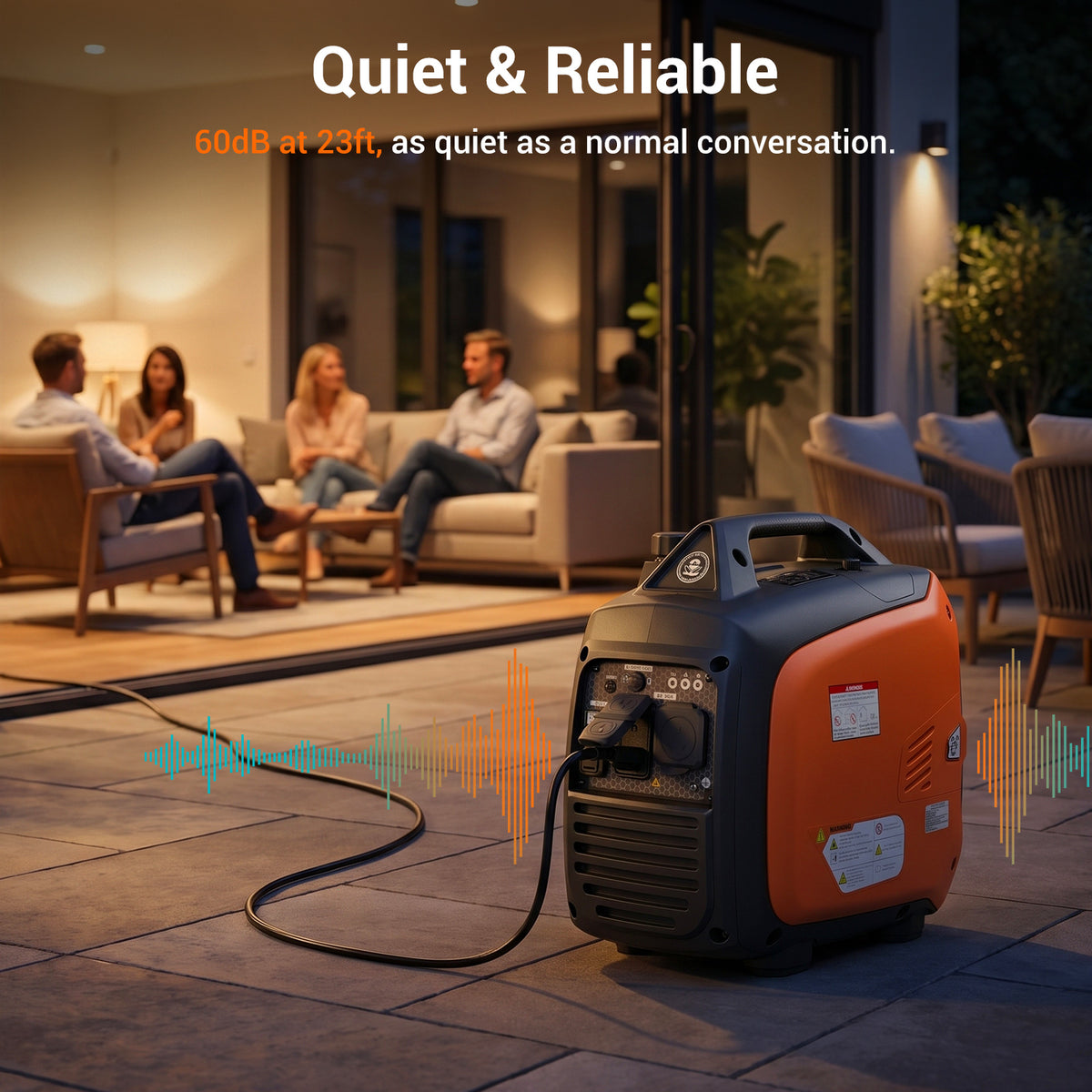
The Noise Factor
RV campgrounds have noise restrictions. Many don't allow generators at all. Some allow them only during certain hours (usually 9 AM to 9 PM).
Traditional generators are too loud for most campgrounds. 95+ decibels violates noise restrictions.
Inverter generators are quieter. 75-80 decibels. That's quiet enough for most campgrounds.
This is a major advantage for RV living. You can actually use your generator without breaking rules or annoying neighbors.
Common RV Generator Mistakes
After talking to hundreds of RV owners, here are the mistakes I see repeatedly.
Mistake #1: Buying too small a generator
They think 2,000W is enough. Then they try to run the AC and everything shuts down.
Mistake #2: Buying too large a generator
They buy 8,000W thinking they need maximum power. It's heavy, loud, and wastes fuel.
Mistake #3: Using a traditional generator
They use a traditional generator that damages their RV electronics. Now their refrigerator compressor is broken.
Mistake #4: Not planning for fuel
They run out of fuel during a boondocking trip. Now they're stuck.
Mistake #5: Not maintaining the generator
They use it once a month. It sits unused the rest of the time. Then it won't start when they need it.
Mistake #6: Ignoring noise restrictions
They buy a loud generator and get complaints from other campers. Now they can't use it.
The Bottom Line
An RV without a generator is severely limited. You're dependent on shore power or your battery. You can't run AC. You can't boondock comfortably. You're constantly managing power.
A generator transforms RV life. You can run what you want. You can boondock for days. You can actually enjoy traveling.
But you need the right generator. It needs to be powerful enough for your needs. It needs to produce clean power for your electronics. It needs to be quiet enough for campgrounds.
For most RVs, a 4,000-4,400W inverter generator is the sweet spot. It's powerful enough for AC plus other systems. It's quiet enough for campgrounds. It's fuel-efficient. It's reliable.
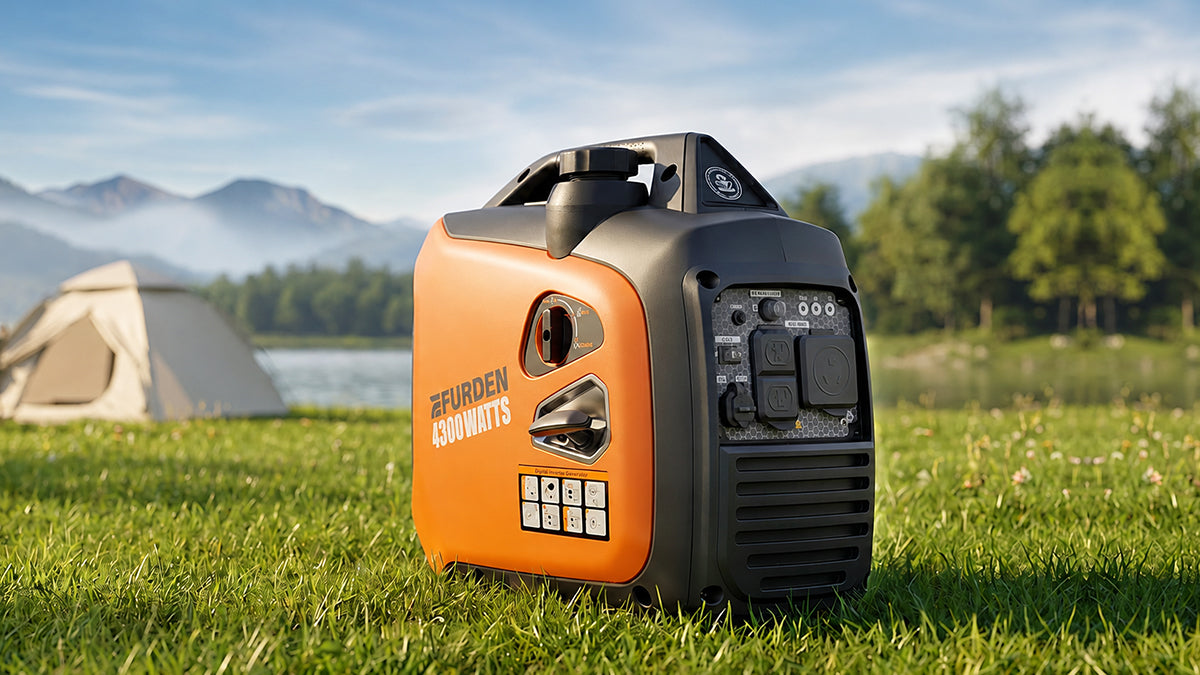
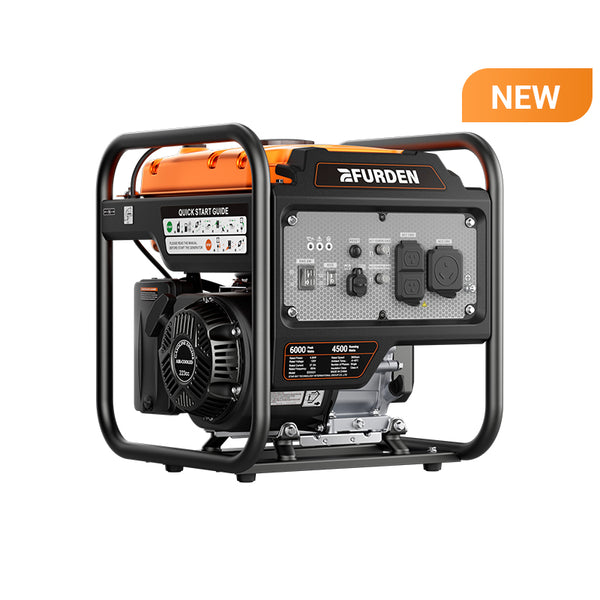
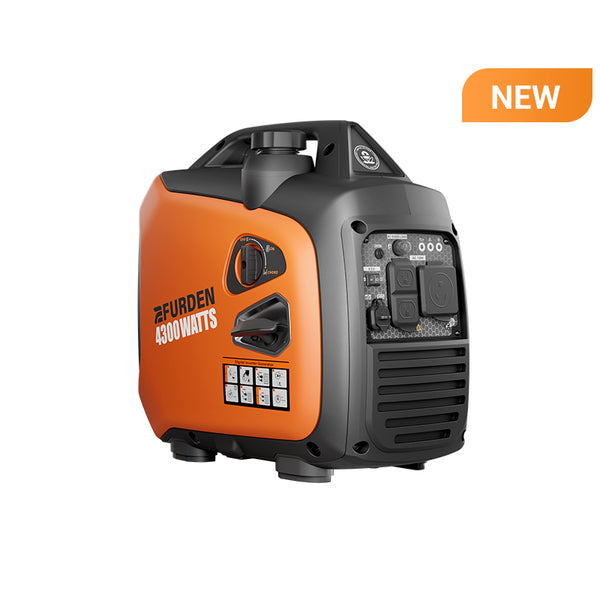
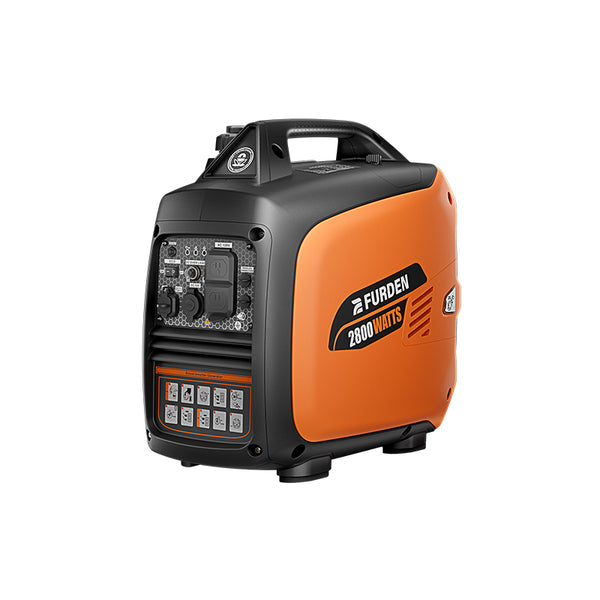
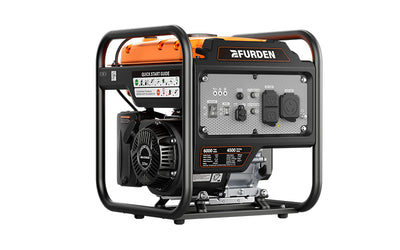
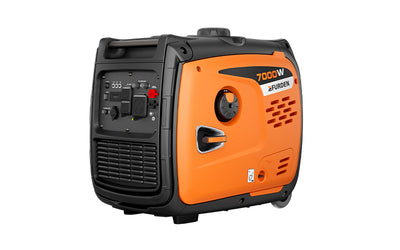
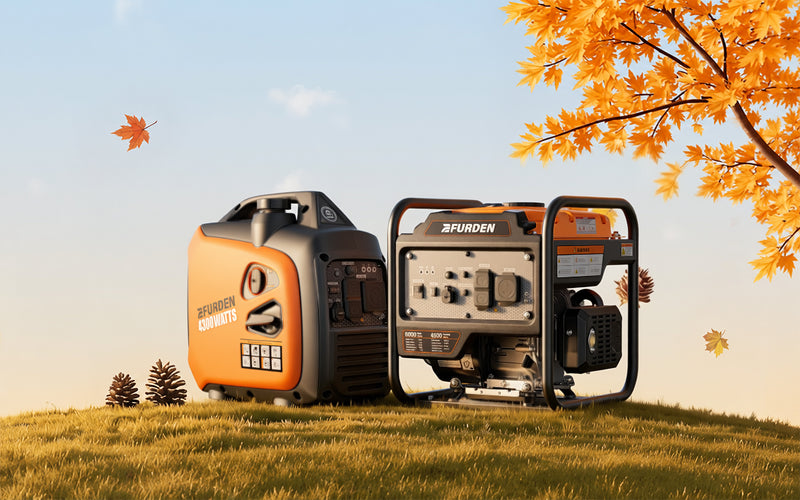
The 4,000-4,400W Efurden generator is the popular choice for RV owners for exactly these reasons. It handles what most RVs actually need without overkill or undersizing.
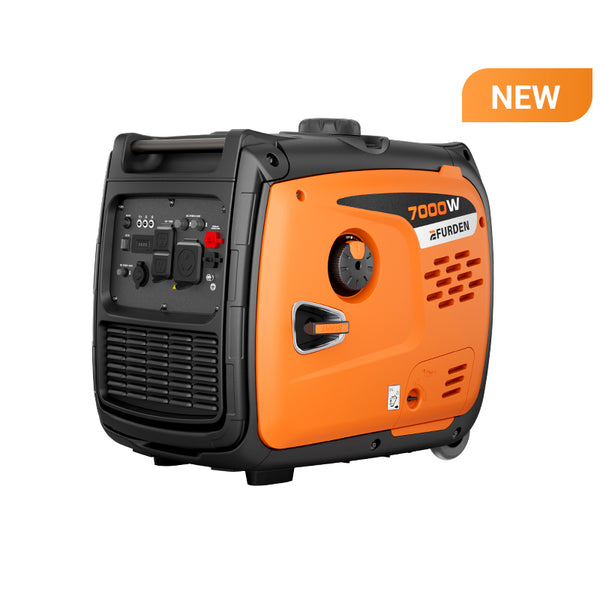
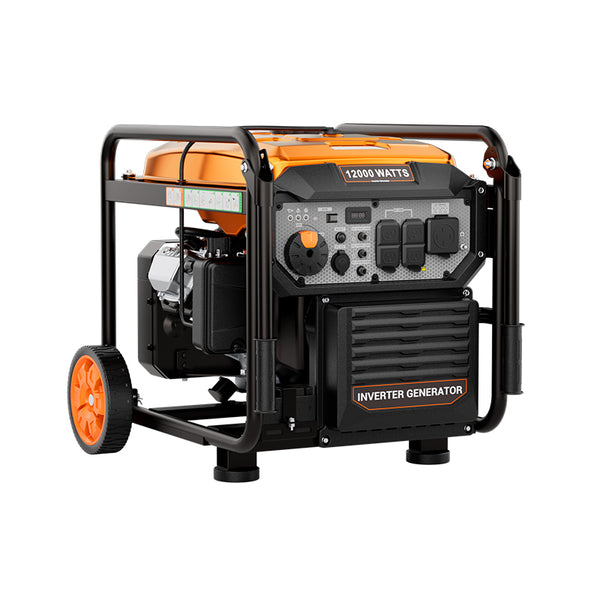
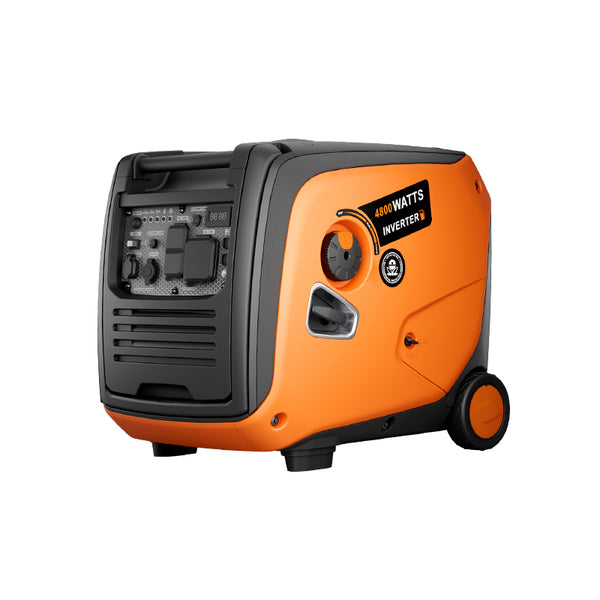
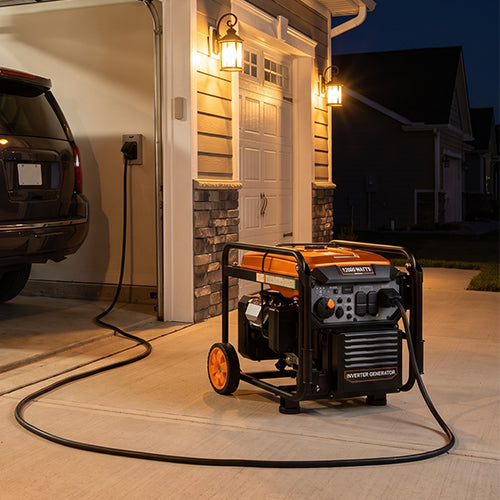
For those who need more power or have larger RVs, the 4,800W option provides additional capacity. And for full-time RVers or those with extensive power needs, the 12,000W model offers maximum flexibility.
Choose the right size for your actual needs. Maintain it properly. Manage your power usage. And you'll enjoy RV travel without the power stress.
Frequently Asked Questions
Q: What size generator do I need for my RV?
A: Depends on what you want to run. For AC plus other systems, 4,000-4,400W is typical. For larger RVs or extended boondocking, 4,800W+. For minimal use, 2,500W might be enough.
Q: Can I run my RV air conditioner on a generator?
A: Yes, but not much else simultaneously. An AC draws 3,500-5,000W. A 4,400W generator can run it, but not the water heater or other high-power devices at the same time.
Q: How long does a generator run on one tank?
A: Depends on the generator and load. A 4,400W generator at 50% load runs about 8-10 hours per tank. At 75% load, about 5-6 hours.
Q: Is it safe to run a generator inside my RV?
A: No. Never run a generator inside your RV. Carbon monoxide is deadly. Keep it outside, at least 15 feet from windows and doors.
Q: Can I use a camping generator for my RV?
A: Yes, if it's powerful enough. A 2,500W camping generator works for small RVs or minimal use. For AC, you need 4,400W+.
Q: What's the difference between a portable and built-in RV generator?
A: Portable generators are flexible and cost-effective. Built-in generators are integrated and automatic but expensive to install. Most RVers use portable generators.
Q: How do I maintain my RV generator?
A: Check oil before each use. Drain fuel before storage (or use fuel stabilizer). Run it monthly. Replace air filter and spark plug annually. Have it serviced every 2-3 years.
Q: Can I run my RV refrigerator on a generator?
A: Yes. RV refrigerators draw 600-800W. Any reasonable generator handles this easily.
Q: What about noise restrictions at campgrounds?
A: Many campgrounds have noise restrictions. Inverter generators (75-80 dB) are usually allowed. Traditional generators (95+ dB) often aren't. Check your campground's rules.
Q: Can I parallel two generators for more power?
A: Yes, but you need matching models and a parallel kit. It's complex and not recommended for most RVers. Better to buy the right size initially.
Key Takeaways
•RV power needs are different from home backup power
•Most RVs need 4,000-4,400W for comfortable operation
•Inverter generators are essential for RV electronics protection
•You don't run everything simultaneously—manage your load
•Fuel planning is critical for boondocking
•Noise restrictions matter—inverter generators are quiet enough
•Maintenance keeps your generator reliable
•The right generator transforms RV travel
•For most RVs, 4,000-4,400W is the sweet spot
•For larger RVs or extended trips, 4,800W+ provides more flexibility
A generator is one of the best investments for RV living. It gives you freedom. It lets you go where you want, stay as long as you want, and live comfortably without shore power.
Choose the right size. Maintain it properly. Manage your power usage. And you'll enjoy RV travel without the power limitations.