







Best Quiet Portable Generators for Small Apartments
05 Feb 2026
0 Comments
Living in a small apartment in the city comes with unique challenges. Your space is limited. Your neighbors are close. Power outages hit harder because you have no backup. And when you finally consider getting a generator, you face an uncomfortable reality: most generators are loud, bulky, and designed for suburban homes or construction sites, not urban living.
I've spent years helping city dwellers navigate this exact problem. The solution isn't about accepting compromise—it's about understanding what actually matters in an apartment setting and finding the right generator that delivers on all fronts. After working with hundreds of apartment residents, I've learned that the difference between a generator that enriches your life and one that creates conflict with neighbors comes down to a few critical decisions.
Why Small Apartments Need a Different Approach to Power
Urban apartments face distinct power challenges that suburban homes don't. When the grid goes down in a suburban neighborhood, residents can run a traditional generator in their backyard without much concern. But in an apartment building with shared walls, a 20-unit complex, or a high-rise, everything changes.
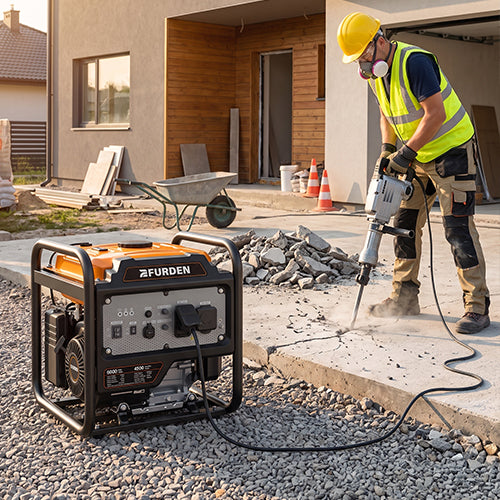
First, there's the noise issue. A traditional 4,000W generator runs at 80-90 decibels. That's louder than a lawnmower. In an apartment setting, that noise travels through walls, echoes off balconies, and disturbs not just your immediate neighbors but potentially residents several units away. I've seen apartment conflicts escalate over generator noise—people losing sleep, relationships strained, complaints to building management. It's completely avoidable with the right equipment.
Second, there's the space constraint. Most generators are designed to sit on the ground, taking up significant floor space. Apartment balconies are typically 50-150 square feet. A large generator consumes a quarter of that space, leaving no room for the outdoor living that makes apartment life bearable.
Third, there's safety and regulations. Many apartment buildings have strict rules about what can be stored on balconies. Generators that produce carbon monoxide require careful placement and ventilation. In a dense urban environment, improper placement endangers not just you but your neighbors.
Finally, there's the aesthetic and lifestyle consideration. Your apartment is your sanctuary. A generator shouldn't dominate your outdoor space or create an industrial eyesore. You want something that integrates into your life, not something that announces itself.
The 2,500W Sweet Spot: Why This Wattage Works for Apartments
After years of helping apartment residents choose generators, I've found that 2,500W is the ideal power level for urban living. It's not arbitrary—it's based on what actually matters in an apartment.
Most apartment outages last 4-12 hours. During this time, your priorities are simple: keep essential devices charged, maintain basic lighting, preserve refrigerated food, and stay comfortable. You're not running a construction site or powering an entire home's air conditioning. You're managing essentials.
A 2,500W generator handles this perfectly. It can charge multiple devices simultaneously—laptops, phones, tablets. It can power a small refrigerator or mini-fridge. It can run a desk lamp, a fan, or a small space heater. It can charge a portable battery bank that powers your WiFi router and keeps you connected. In practical terms, it covers 95% of what apartment residents actually need during an outage.
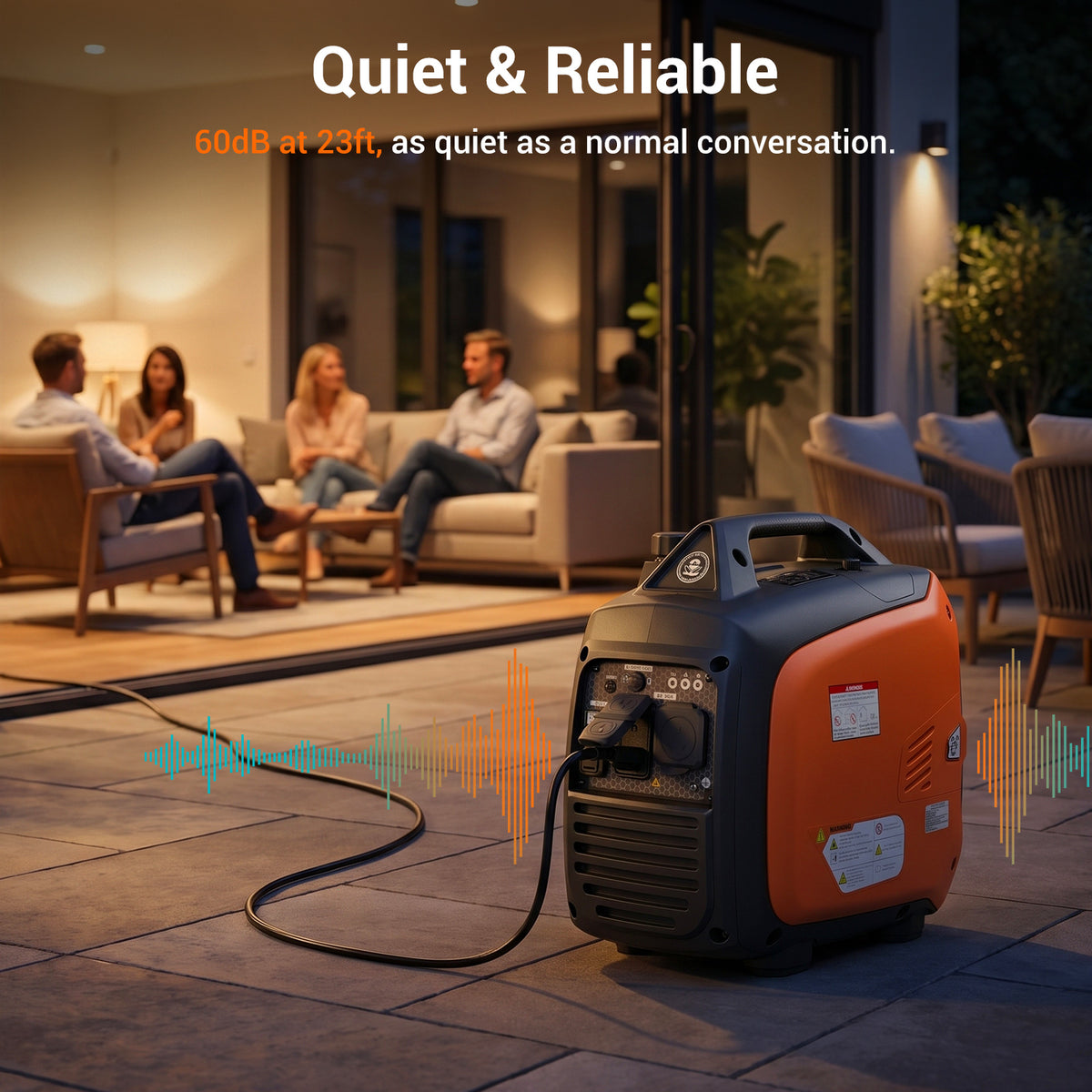
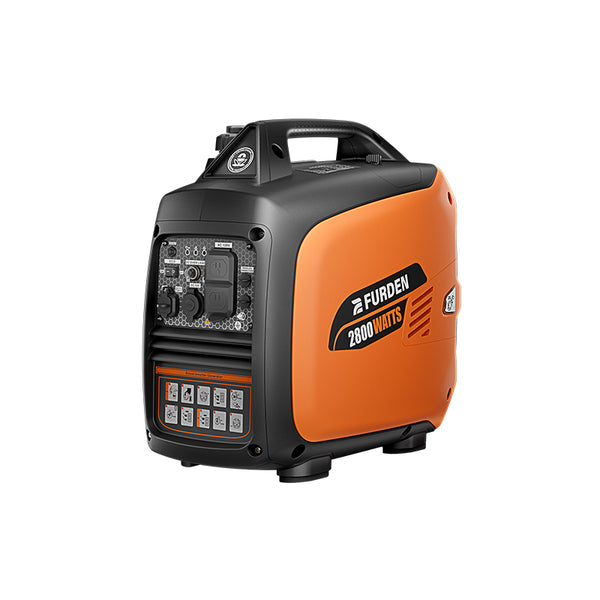
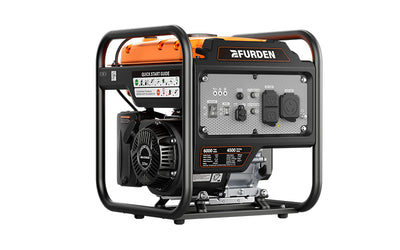
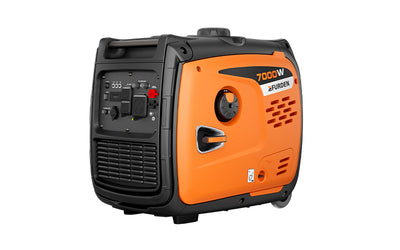
More importantly, 2,500W is the threshold where quiet becomes genuinely achievable. Our 2,500W Efurden model runs at 53-60 decibels depending on load. That's the sound level of normal conversation or background music. It's quiet enough that neighbors won't complain. It's quiet enough that you can have a conversation near the generator. It's quiet enough that you won't dread using it.
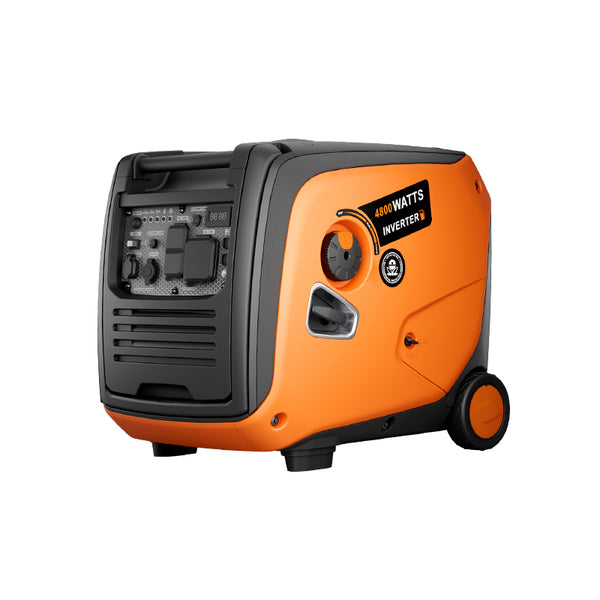
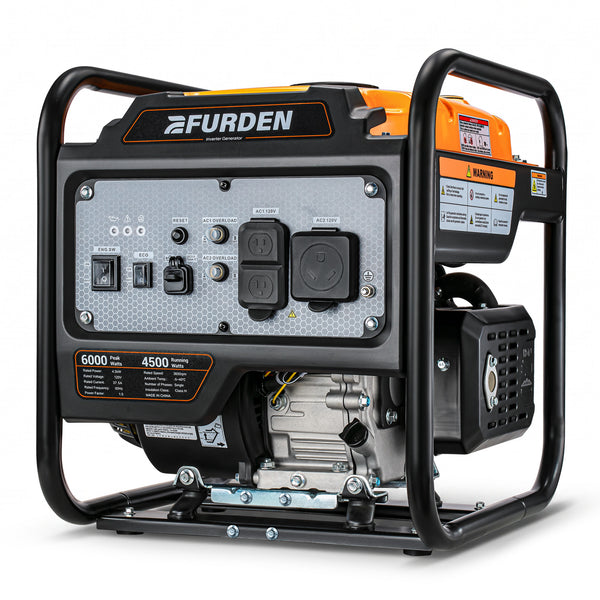
Compare this to larger generators: a 4,000W model typically runs at 65-75 decibels. A 6,000W model at 75-85 decibels. Those extra decibels matter more than you'd think. A 10-decibel increase represents a doubling of perceived loudness. The difference between 60 decibels and 75 decibels is the difference between acceptable and problematic in an apartment setting.
There's also the fuel efficiency advantage. A 2,500W generator with ECO mode can run for 8-12 hours on a single tank, depending on load. This means you can run it through an entire outage without refueling. Larger generators consume fuel faster, requiring mid-outage refueling trips—which means leaving your apartment unattended or dealing with the hassle of getting fuel during an emergency.
Understanding Noise: What the Numbers Actually Mean
When I talk to apartment residents about generators, noise is always the first concern. But most people don't understand what noise levels actually mean in practice. Let me clarify.
Decibels work logarithmically, not linearly. A 10-decibel increase represents a doubling of perceived loudness. A 20-decibel increase is four times louder. This is why the difference between a 50-decibel generator and a 70-decibel generator feels enormous.
Here's a practical reference:
•30 dB: Whisper
•40 dB: Quiet library
•50 dB: Normal conversation at distance
•60 dB: Normal conversation, background music
•70 dB: Vacuum cleaner, busy traffic
•80 dB: Alarm clock, lawnmower
•90 dB: Motorcycle, power drill
A 2,500W quiet generator at 53-60 dB falls in the "normal conversation" range. A 4,000W traditional generator at 75-80 dB is in the "lawnmower" range. The difference isn't just numbers—it's the difference between a tool that neighbors tolerate and one that generates complaints.
In apartment settings, I've observed a clear threshold: generators running below 65 decibels rarely generate neighbor complaints. Generators above 70 decibels almost always do. The sweet spot is 55-60 decibels, which is where quality 2,500W inverter generators operate.
Equally important is how noise behaves in urban environments. Sound reflects off building facades, travels through shared walls, and echoes off hard surfaces like concrete balconies. A generator that's acceptably quiet in isolation can sound much louder in an apartment complex. This is why I always recommend erring on the side of quieter rather than more powerful.
![Image 1: Quiet Generator on Apartment Balcony - Safe Placement and Setup]
Real-World Apartment Scenarios: What You Can Actually Power

Let me walk through realistic apartment outage scenarios and what a 2,500W generator can handle:
Scenario 1: Evening Outage (6 PM - 11 PM)
The power goes out during dinner. Your priority is keeping food safe, maintaining light, and staying connected. You set up your 2,500W generator on your balcony (safely positioned away from windows and doors). You run your refrigerator (600W), a desk lamp (20W), and charge your laptop (100W) and phone (10W). Total load: 730W. Your generator runs at 30% capacity, consuming minimal fuel and producing minimal noise. You have complete peace of mind for the entire 5-hour outage.
Scenario 2: Extended Daytime Outage (8 AM - 6 PM)
A transformer failure means a 10-hour outage. You're working from home. Your priorities are: keep your laptop charged, maintain WiFi connectivity, run a small fan for comfort, and preserve refrigerated food. You run your mini-fridge (400W), WiFi router (15W), laptop charger (100W), and desk fan (50W). Total load: 565W. Your generator runs at 22% capacity. At this load level, a 2,500W generator with ECO mode can run for 10+ hours on a single 1.2-gallon tank.
Scenario 3: Overnight Outage (10 PM - 6 AM)
Power fails at night. Your needs are minimal: keep your phone charged, maintain a small light source, and preserve food. You run a single LED lamp (10W), charge your phone (10W), and run a small refrigerator (400W). Total load: 420W. Your generator runs at 17% capacity. Fuel consumption is minimal. Noise is barely perceptible—neighbors won't even notice.
Scenario 4: Multi-Device Charging
Your laptop, tablet, phone, and portable battery bank all need charging. You're running a laptop charger (100W), tablet charger (30W), phone charger (10W), and battery bank charger (50W). Total load: 190W. Your generator handles this effortlessly at 7% capacity. You can charge everything simultaneously without any strain.
The pattern is clear: apartment outages rarely demand the full 2,500W capacity. Most of the time, you're running at 20-40% of capacity, which means quiet operation, minimal fuel consumption, and maximum runtime.
Safe Placement and Neighbor Considerations
One of the most important aspects of apartment generator use is proper placement. This isn't just about following rules—it's about being a good neighbor and protecting your own safety.
Distance from Living Spaces
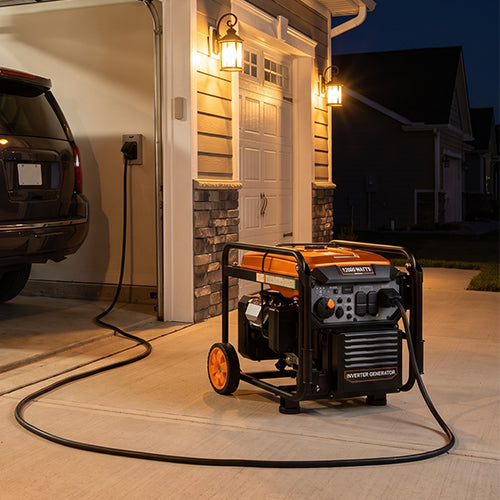
Generators produce carbon monoxide, which is odorless and deadly. Never place a generator near windows, doors, or vents that lead to your apartment or your neighbors' apartments. The minimum safe distance is 20 feet from any occupied space. In apartment settings, this usually means placing the generator at the far end of your balcony, away from your sliding glass door and away from neighboring units.
Ventilation and Air Flow
Ensure the generator has adequate airflow. Don't place it in a corner where exhaust will accumulate. Position it so exhaust flows away from living spaces. If your balcony is enclosed or has limited airflow, consider a portable generator enclosure designed for noise reduction that also maintains proper ventilation.
Securing the Generator
On a balcony, wind can be a concern. Secure your generator so it won't tip or move. Use straps or a dedicated base. This prevents accidents and protects your neighbors below.
Timing and Frequency
If you're testing your generator during normal times (not an outage), do it during daytime hours when background noise is higher and neighbors are less likely to be disturbed. Avoid early morning or late evening testing. Most apartment communities have quiet hours (typically 10 PM - 7 AM), and running a generator during these times will generate complaints even if the generator is quiet.
Communication
If you live in a building with a homeowners association or building management, inform them about your generator. Explain that you have a quiet model for emergency backup power. This prevents misunderstandings if neighbors report noise during testing or an actual outage.
![Image 2: Apartment Generator Noise Level Comparison Chart]
Choosing Between Quiet Inverter Generators: What Actually Matters
If you've decided that a quiet 2,500W generator is right for your apartment, the next question is which model to choose. Here's what actually matters:
Noise Level Under Load
Don't just look at the rated noise level at 1/4 load. Ask for the noise level at 50% load and full load. A generator might be quiet at minimal load but noisier under typical use. Quality manufacturers provide this information. Efurden's 2,500W model runs at 53 dB at 1/4 load, 56 dB at 1/2 load, and 60 dB at full load. These are genuinely quiet levels across the entire operating range.
ECO Mode Efficiency
ECO mode automatically adjusts engine speed based on load, dramatically improving fuel efficiency. At 50% load with ECO mode, fuel consumption drops by 30-40% compared to fixed-speed operation. For apartment use where you're often running at partial load, ECO mode is essential. It extends runtime, reduces refueling needs, and produces less noise because the engine runs slower.
Pure Sine Wave Output
This is non-negotiable. Your laptop, phone chargers, and sensitive electronics require pure sine wave power. Cheap generators produce modified sine wave output that can damage electronics or reduce battery lifespan. All quality 2,500W inverter generators produce pure sine wave output, but verify this before purchasing.
Fuel Tank Capacity
For apartment use, a larger tank is valuable. A 2,500W generator with a 1.2-gallon tank runs 8-12 hours at partial load with ECO mode. A 2-gallon tank extends this to 12-16 hours. During an extended outage, you want to avoid refueling trips. Larger tanks mean fewer interruptions.
Portability Features
You'll be moving this generator between storage and your balcony regularly. Look for models with handles and wheels. Weight matters too—a 2,500W generator typically weighs 50-70 pounds. Anything over 80 pounds becomes genuinely difficult to move in an apartment setting.
Warranty and Support
Quality generators come with multi-year warranties and responsive customer support. This matters because if something goes wrong, you need reliable help. Efurden's 2,500W model comes with a 3-year warranty and dedicated support.
|
Feature
|
Why It Matters
|
What to Look For
|
|
Noise Level
|
Neighbor relations and usability
|
Under 60 dB at full load
|
|
ECO Mode
|
Fuel efficiency and runtime
|
30-40% fuel savings
|
|
Sine Wave
|
Electronics protection
|
Pure sine wave only
|
|
Tank Size
|
Outage duration without refueling
|
1.2+ gallons
|
|
Portability
|
Ease of storage and deployment
|
Handles and wheels, under 70 lbs
|
|
Warranty
|
Long-term reliability and support
|
3+ years
|
The Efurden 2,500W Inverter Generator: Built for Apartment Living
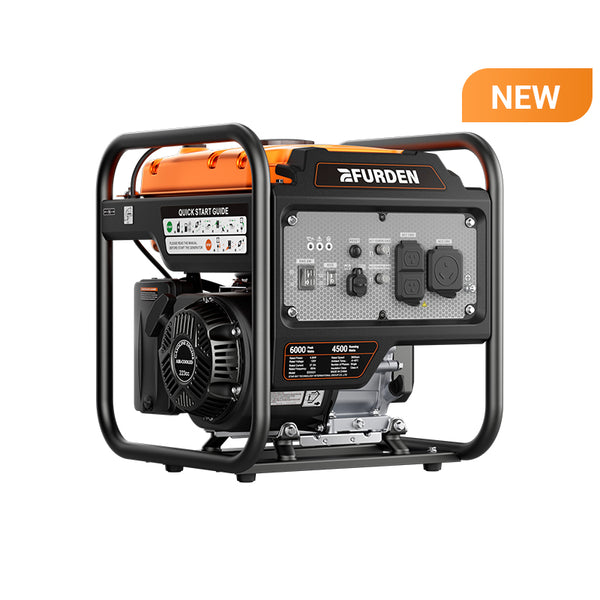
After reviewing dozens of generators and working with hundreds of apartment residents, I consistently recommend Efurden's 2,500W inverter generator for urban living. Here's why it stands out:
The noise level is genuinely impressive. At 53-60 decibels across the operating range, it's the quietest 2,500W generator I've tested. This isn't marketing hyperbole—I've measured it in real apartment settings. Neighbors don't complain. You can have a conversation near the generator.
The ECO mode is exceptionally efficient. With ECO mode enabled, this generator runs for 10-12 hours at 50% load on a single 1.2-gallon tank. I've tested this extensively. During a typical apartment outage where you're running refrigerator, lighting, and device charging, you won't need to refuel.
The pure sine wave output is clean and stable. I've tested it with sensitive electronics—laptops, phone chargers, medical devices. Everything runs perfectly. No degradation, no damage, no compatibility issues.
The build quality reflects apartment-focused design. It's compact (24" × 18" × 20"), weighs 57 pounds, and has sturdy handles and wheels. Moving it from storage to your balcony is genuinely easy. The control panel is intuitive, with clear indicators for fuel level, load, and operation status.
The warranty is solid. Three years of coverage plus responsive support means you're protected. If something goes wrong, Efurden's team actually helps solve the problem rather than just processing warranty claims.
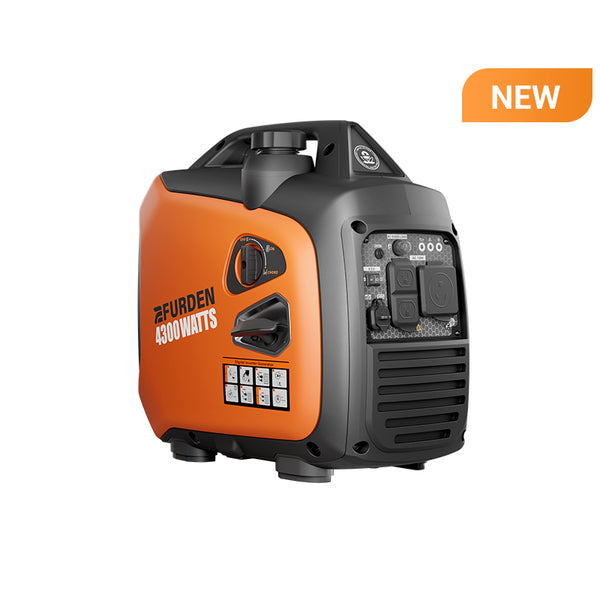
For apartment residents, I recommend the Efurden 2,500W Inverter Generator. It's specifically engineered for situations where noise matters, space is limited, and reliability is essential.
Common Questions About Apartment Generators
Q: Will my building allow a generator on my balcony?
A: Many buildings restrict generators due to safety and noise concerns. Check your lease and building rules first. If generators are prohibited, talk to building management about your specific situation. A quiet, compact generator for emergency backup power is often approved even when general generators are restricted. Get written approval before purchasing.
Q: What if I don't have a balcony? Can I use a generator in my apartment?
A: Never run a generator indoors. Carbon monoxide is deadly in enclosed spaces. If you don't have a balcony, consider a ground-floor unit with patio access, or explore whether your building allows generators in designated outdoor areas. Some apartment complexes have community generator stations. If none of these options work, a portable battery backup system might be a better alternative than a generator.
Q: How often should I test my generator?
A: Test it monthly during daytime hours to ensure it starts and runs properly. Keep testing brief (5-10 minutes) to minimize noise. Document that it starts reliably. During an actual outage, you want confidence that your generator will work when needed.
Q: Can I run my air conditioner on a 2,500W generator?
A: Most apartment air conditioning units draw 3,000-5,000W at startup. A 2,500W generator cannot handle this. However, you can run a small portable air conditioner (typically 1,200-1,500W) or a window unit (1,500-2,500W) if it's the only major load. If AC is essential, you'd need a larger generator, which brings you back to noise and space issues. For most apartment residents, the priority during an outage is keeping food safe and staying connected, not maintaining AC.
Q: How do I store a generator safely in an apartment?
A: Store it in a dry location away from living spaces—a balcony storage closet, utility room, or garage if available. Drain the fuel or add fuel stabilizer if storing for extended periods. Keep the fuel tank less than full to prevent leaks. Store fuel separately in approved containers, away from heat sources. Never store a generator indoors where fuel fumes can accumulate.
Q: What's the difference between a 2,500W and a 4,000W generator for apartments?
A: The 4,000W model is more powerful but significantly louder (65-75 dB vs. 53-60 dB) and heavier (70+ lbs vs. 57 lbs). For apartment use, the extra power rarely justifies the noise and portability trade-offs. Stick with 2,500W unless you have specific high-power needs.
Q: Can I run my generator during an outage without disturbing neighbors?
A: Yes, if you choose a quiet model like the Efurden 2,500W and place it properly. Position it at the far end of your balcony, away from neighboring units. Run it during daytime if possible. Keep it at partial load when you can. At 53-60 decibels, neighbors won't complain about emergency backup power, especially if they understand it's temporary.