







Can Inverter Generators Run in Extreme Cold? Winter Performance & Cold-Weather Tips
04 Feb 2026
0 Comments
The Question That Keeps People Up at Night
It's December. The forecast shows -15°F. Your power goes out at 2 AM.
You stumble to your garage, pull the cord on your generator, and... nothing. Just a grinding sound. Your heart sinks.
This is the moment people ask: "Can my generator even work in this cold?"
The honest answer? Yes. But there's a catch.
How Cold Actually Affects Your Generator

Let me explain what's happening inside your generator when the temperature drops.
Your engine oil thickens. Think of it like honey in the freezer. At 32°F, your summer oil becomes sluggish. At -15°F? It's almost solid. The engine has to work twice as hard to turn over. The pull cord becomes harder to pull. Result: you need more force to crank the engine fast enough to start it.
Your fuel gets harder to ignite. Gasoline doesn't flow as easily in cold. Your carburetor has a harder time creating the right fuel-air mixture. Spark plugs have to work harder to ignite it.
Your engine parts contract. Metal shrinks in cold. Tolerances get tighter. Everything resists movement.
This isn't a problem with inverter generators specifically. It's a problem with all gasoline engines. But here's the thing: inverter generators actually handle cold better than traditional generators because they run at variable speeds. They don't waste energy running at full throttle when you don't need it.
The Real Question: How Cold Is Too Cold?
Not sure what size generator you need? Use our Generator Wattage Sizing Calculator to calculate your exact power requirements.
Most portable generators are rated to start at 32°F (0°C) with proper maintenance.
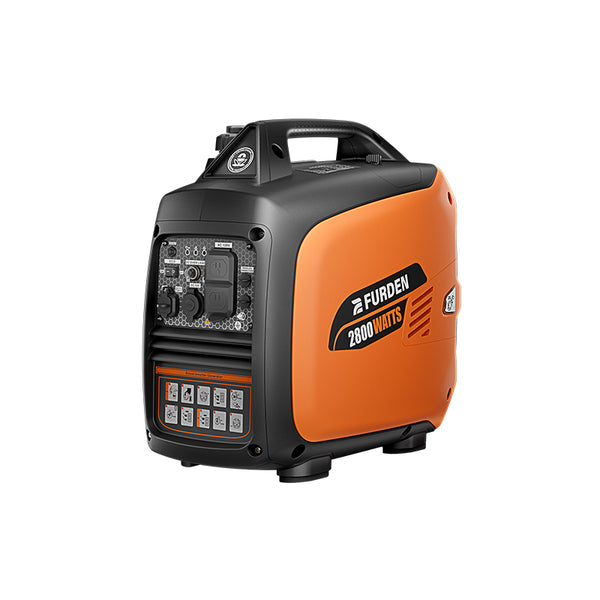
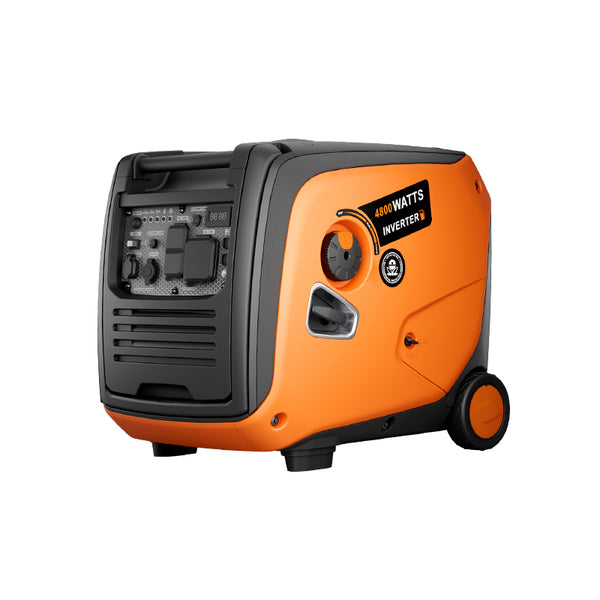
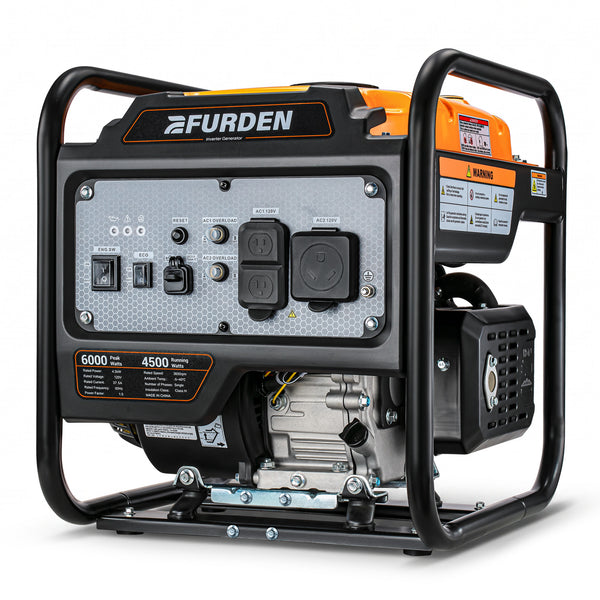
Some, like Efurden models, are rated down to 14°F (-10°C) with the right preparation.
Below 14°F? You're in territory where even well-maintained generators struggle. Not impossible. Just harder.
Here's what I've learned from talking to people who live in places where -20°F is normal:
At 32°F: Your generator starts fine if it's maintained. Maybe takes a few pulls.
At 0°F: You need to do everything right. Proper oil, charged battery, fuel stabilizer. It'll start, but it's not automatic.
At -15°F: You're pushing limits. It might start. It might not. Depends on everything else going right.
Below -20°F: Most generators struggle. Some won't start at all without external heat.
Why Your Generator Won't Start in Winter (And It's Not Always the Cold)

I've talked to dozens of people who blame the cold for their generator not starting. Usually, it's not the cold. It's something else.
Mistake #1: Wrong Oil
This is the biggest one. I see it constantly.
You use 10W-40 oil all summer. Winter comes. You don't change it.
At 32°F, that thick summer oil is like peanut butter. Your starter motor can't turn the engine over.
The fix: Switch to 10W-30 or even 5W-30 in winter. The first number (5W or 10W) is what matters in cold. Lower is better. The "W" stands for winter.
I know what you're thinking: "But the manual says 10W-40."
The manual is written for year-round use. For winter specifically, thinner oil is better. Your engine will thank you.
Mistake #3: Stale Fuel
You filled up your tank in October. It's now January.
Gasoline degrades. After 30 days, it starts breaking down. After 90 days, it's basically useless.
In cold weather, stale fuel won't ignite. Your generator cranks but won't catch.
The fix: Use fresh fuel. Add fuel stabilizer (like Sta-Bil) to your tank before storing. Run the generator for 10-15 minutes to get the stabilized fuel through the carburetor. This keeps fuel fresh for months.
Mistake #4: Flooded Engine
You pull the cord 10 times. Nothing. You pull 10 more times.
What you don't know: fuel is pooling in the carburetor. The engine is flooded.
In cold weather, flooded engines are common because the fuel won't ignite easily.
The fix: Stop pulling the cord. Wait 15-20 minutes. Let the excess fuel drain. Then try again. Or open the spark plug hole and let air dry it out.
Mistake #5: Wrong Choke Position
Your generator has a choke. In winter, you need it set to "cold start."
I've seen people leave it on "warm" all winter. Or they don't know what it does.
The fix: For cold starts, set choke to "cold start" or "on." After 5-10 minutes of running, move it to "warm" or "off." This is basic, but I'm amazed how many people skip it.
Why Your Generator Sounds Different in Winter
You start your generator in January. It sounds... weird. Rougher. Louder. Slower.
This freaks people out. They think something's broken.
It's not.
Here's what's happening:
The engine is cold. A cold engine runs differently than a warm one. It needs richer fuel mixture. It runs rougher. This is normal for all gasoline engines.
The oil is thicker. Thicker oil means more friction. The engine has to work harder. It sounds strained.
The air is denser. Cold air is denser than warm air. Your engine has to work harder to push it around.
Your load might be different. In winter, you're probably running a heater or space heater. These draw a lot of power. Your generator's working harder.
The sound carries differently. Cold air carries sound differently. The same generator sounds louder in winter than summer.
All of this is normal. After 10-15 minutes of running, your generator warms up. It sounds normal again.
The Techniques That Actually Work
I've tested these myself. They work.
Technique #1: Preheat Your Engine
Before you start your generator in extreme cold, let it sit for 5 minutes with the choke on.
This doesn't actually heat the engine. But it primes the carburetor with fuel. When you pull the cord, there's fuel ready to ignite.
Sounds simple. It works.
Technique #2: Use Winter Oil
I mentioned this before, but it's worth repeating.
Switch to 10W-30 or 5W-30 in winter. That's it. This single change solves 80% of cold-start problems.
Cost? $15-20 for a quart. Takes 10 minutes to change.
Technique #4: Shelter Your Generator
Don't put your generator in the wind. Wind chill makes everything worse.
Put it against a wall. Or build a simple shelter. Just make sure exhaust can escape (never run it in an enclosed space—carbon monoxide risk).
Also: clear snow from the exhaust outlet. I've seen generators shut down because snow blocked the exhaust. The engine overheats and shuts off automatically.
Technique #5: Warm Up Before Load
Start your generator. Let it run at no load for 10-15 minutes.
This warms up the oil. Warms up the engine. Gets everything flowing.
Then connect your devices.
This takes patience. But it prevents hard starts and rough running.
Technique #6: Use Fuel Stabilizer
Add Sta-Bil or similar fuel stabilizer to your tank before winter.
Run the generator for 10-15 minutes to circulate the stabilized fuel through the carburetor.
This keeps fuel fresh for 12+ months. No more stale fuel problems.
Why Inverter Generators Are Actually Better in Cold

Here's something most people don't know: inverter generators are better in cold than traditional generators.
Why?
They run at variable speeds. A traditional generator runs at full throttle all the time (3,600 RPM). An inverter generator adjusts its speed based on your load. At half load, it runs at half speed.
This means:
•Less strain on the cold engine
•Easier to start
•Better fuel efficiency
•Cleaner power (which is better for sensitive electronics)
They have better voltage regulation. In cold, your battery voltage drops. An inverter generator compensates. It keeps your devices safe.
They're designed for efficiency. Inverter generators are engineered to work in a wider range of conditions. Cold is one of them.
This is why Efurden inverter generators are rated to start at 14°F. Traditional generators? Usually 32°F.
The Bottom Line
Can your inverter generator run in extreme cold?
Yes. With the right preparation.
Here's your winter checklist:
✅ Switch to winter oil (10W-30 or 5W-30)
✅ Use fuel stabilizer (Sta-Bil or similar)
✅ Keep it sheltered (but with exhaust outlet clear)
✅ Clear snow from exhaust (every time)
✅ Preheat before starting (5 minutes, choke on)
✅ Warm up before load (10-15 minutes)
Do these six things, and your generator will start and run in cold that would stop most people's backup power.
Common Cold-Weather Questions
Q: Can I use my generator below -20°F?
A: Technically yes. But you're pushing it. You'll need external heat (like a heat gun) to warm the engine before starting. Not practical for emergency situations.
Q: Will extreme cold damage my generator?
A: No. Cold doesn't damage engines. It just makes them harder to start. Once it's running, it's fine.
Q: Should I drain my generator for winter?
A: Only if you're storing it for 3+ months without running it. If you're running it regularly (which you should), keep fuel in it with stabilizer added.
Q: Why does my generator shut down after a few minutes in cold?
A: Usually stale fuel or carburetor gum. Use fresh fuel with stabilizer. Run it monthly to keep the carburetor clean.
Q: Is it safe to run my generator indoors during winter?
A: No. Never. Carbon monoxide is deadly. Run it outside, at least 20 feet from windows and doors. Cold doesn't change this rule.
Q: Can I use an extension cord in cold weather?
A: Yes, but use a heavy-duty cord rated for cold. Regular cords become brittle and crack in extreme cold.
Q: Will my generator produce less power in cold?
A: Slightly. Cold air is denser, so your engine has to work harder. You might see 5-10% less power. Not significant for most uses.
Q: How often should I run my generator in winter?
A: At least monthly. This keeps the fuel fresh and the engine in good shape. 10-15 minutes is enough.
Q: What's the best generator for extreme cold?
A: Look for inverter generators rated to at least 14°F. Efurden models are tested and rated for cold performance. Traditional generators are usually only rated to 32°F. Use our Generator Wattage Sizing Calculator to find the right size for your needs.
Q: Can I use a space heater near my generator to warm it up?
A: No. Too dangerous. Fire risk. Use a heat gun if you need to warm the engine before starting.
Next Steps
If you're worried about cold performance, read our detailed guides:
And if you're looking for a generator that's actually built for cold weather, Efurden inverter generators are tested and rated for extreme cold performance.