







Emergency Power Solutions for Winter - Overall Winter Preparedness
27 Jan 2026
0 Comments
Winter Power Outages: Why They're Getting Worse
Winter blackouts aren't rare anymore. They're becoming the norm.
Ice storms, high winds, equipment failures, and aging infrastructure mean more frequent, longer outages. Last year, the average winter outage lasted 8 hours. Some lasted days.
And when the power goes out in winter, it's not just an inconvenience. It's a crisis.
Your furnace stops. Your pipes freeze. Your food spoils. Your family gets cold.
But here's the good news: you can prepare now and avoid the panic later.
The Three Layers of Winter Emergency Power

Smart winter preparedness isn't just about having a generator. It's about having multiple layers of backup power.
Layer 1: Generator (Primary Backup)
A generator is your main line of defense.
Best for:
•Running your furnace
•Powering essential appliances
•Maintaining comfort during extended outages
What size do you need?
•Your furnace type (forced air, heat pump, oil, boiler)
•Essential appliances (refrigerator, water pump, lights)
•Your home's total power requirements
General recommendations:
•Minimum: 3,000W (for forced air furnace + essentials)
•Ideal: 4,000-5,000W (comfort + flexibility)
•Heat pump homes: 5,000W+ (heat pumps need more power)
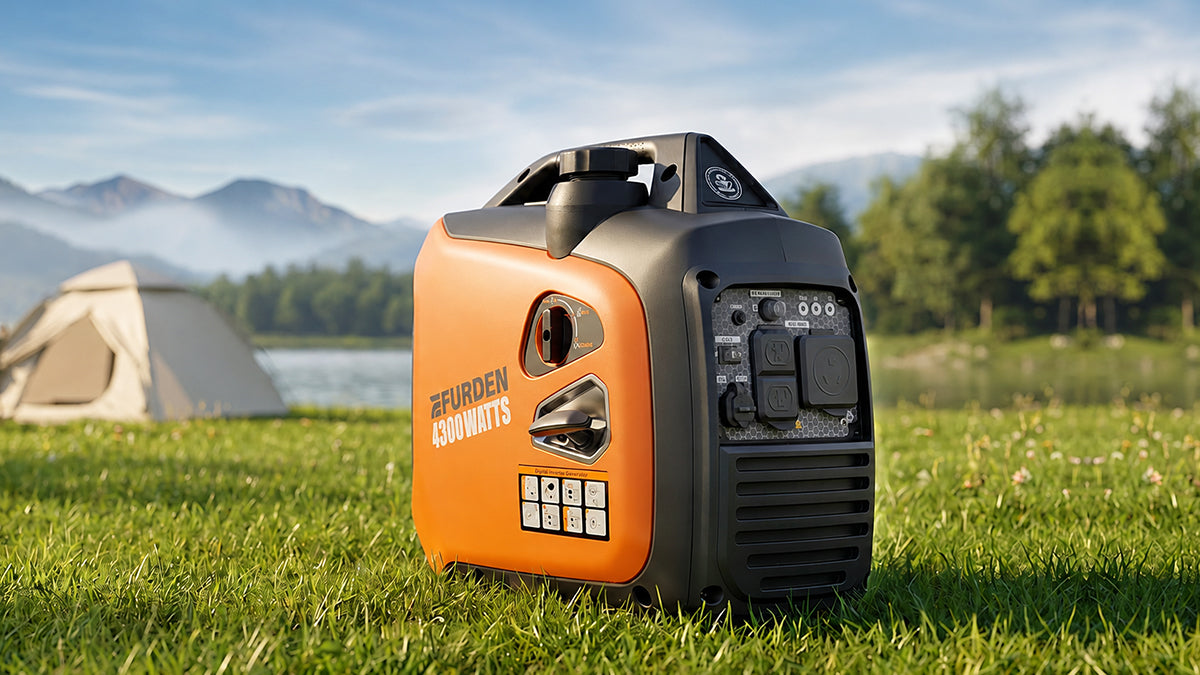
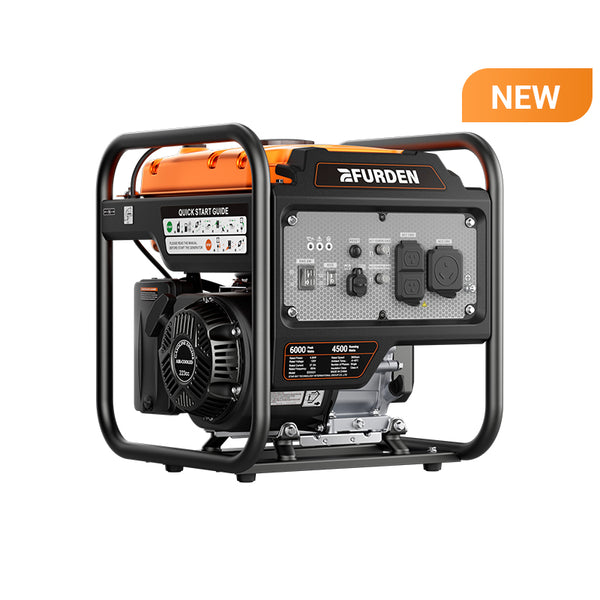
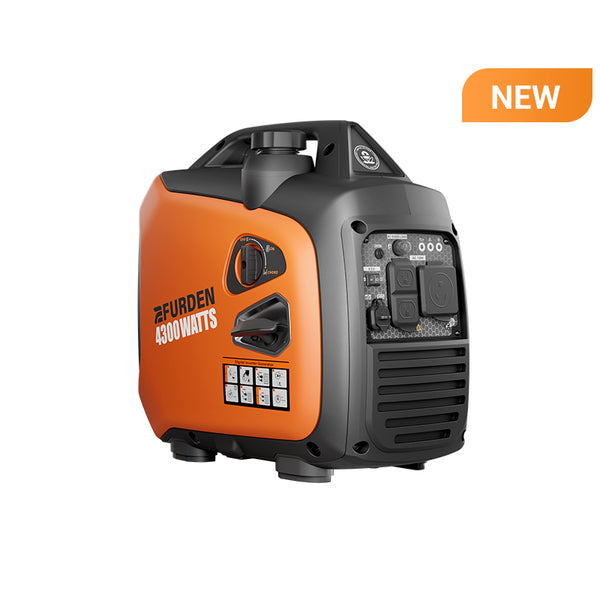
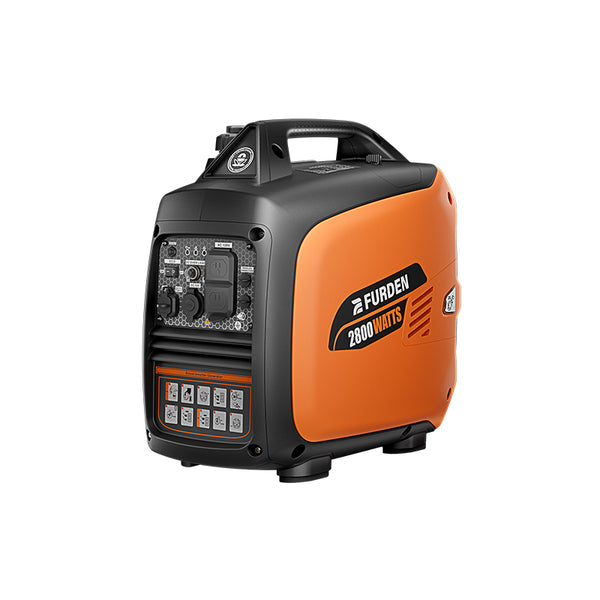
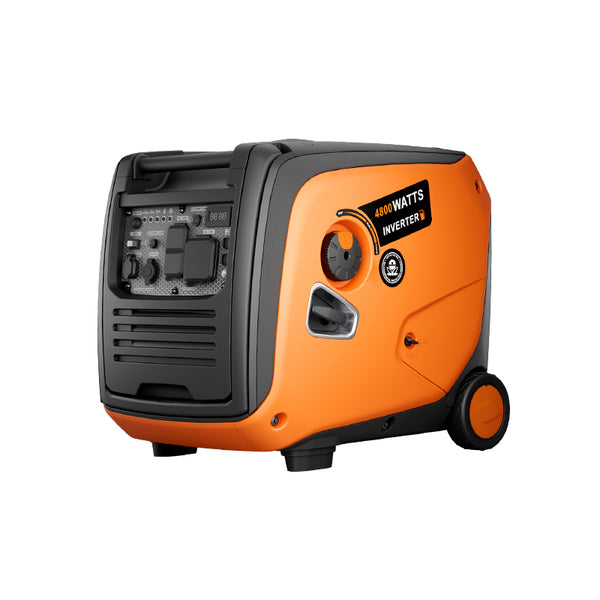
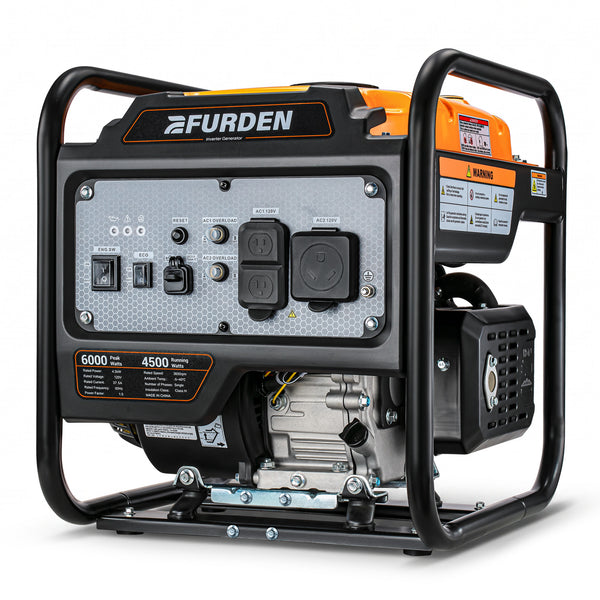
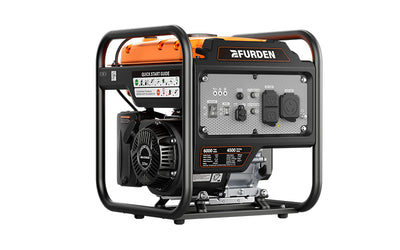
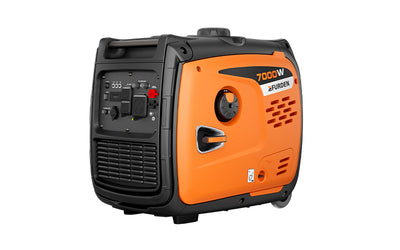
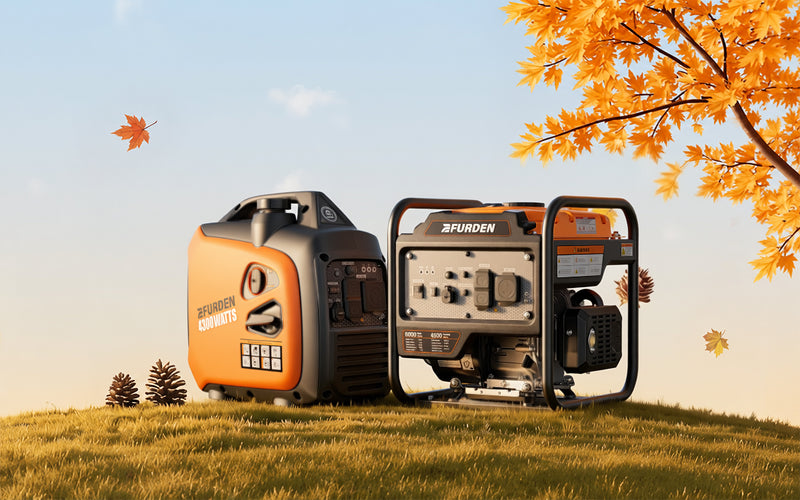
Efurden's 4,400W inverter generator handles most home heating scenarios while remaining portable and fuel-efficient.
Layer 2: Alternative Heat Sources
Don't rely on your generator alone. Have backup heating:
Fireplace or Wood Stove
•Independent of electricity
•Provides zone heating (one room)
•Requires firewood supply
•Best for: Supplemental heat
Kerosene Heater
•Portable and efficient
•Must be used outdoors or in well-ventilated spaces
•Requires kerosene supply
•Best for: Temporary supplemental heat
Space Heater (Limited)
•Draws 750-1,500W
•Can run one with a large generator
•Never run two at once
•Best for: Supplemental zone heating
Insulation and Weatherproofing
•Close off unused rooms
•Hang blankets over windows
•Seal door and window gaps
•Move family to central room
•Best for: Retaining heat during outages
Layer 3: Emergency Supplies
Have supplies on hand for situations where your generator fails or fuel runs out:
Emergency Heat:
•Blankets and sleeping bags
•Emergency heat packs (chemical)
•Heavy clothing
•Thermal underwear
Emergency Food and Water:
•Non-perishable food (canned goods, granola bars)
•Bottled water (1 gallon per person per day)
•Manual can opener
•Camping stove (outdoor use only)
Emergency Communication:
•Battery-powered radio
•Flashlights and batteries
•Phone chargers (battery or solar)
•First aid kit
Your Winter Emergency Power Plan
Step 1: Assess Your Needs (Week 1)
Calculate your power requirements:
•Use our Generator Wattage Sizing Calculator
•Identify your furnace type and power needs
•List essential appliances
•Determine minimum generator size
Assess your home's vulnerabilities:
•How quickly does your home lose heat?
•Do you have a well pump (needs power)?
•Do you have medical equipment that needs power?
•How many people depend on your heating?
Identify backup heating options:
•Do you have a fireplace or wood stove?
•Do you have kerosene or propane available?
•Can you insulate and weatherproof effectively?
Step 2: Acquire Equipment (Week 2-3)

Purchase your generator:
•Choose based on your calculated power needs
•Ensure it's rated for cold weather operation
•Efurden's 4,400W inverter generator is ideal for most homes
Acquire fuel storage:
•Buy 30-50 gallons of fuel containers
•Store fuel in a cool, dry place
•Add fuel stabilizer (Sta-Bil)
•Rotate fuel every 6 months
Get alternative heat sources:
•Fireplace firewood (if applicable)
•Kerosene (if you have a heater)
•Emergency heat packs
•Heavy blankets
Stock emergency supplies:
•Non-perishable food
•Bottled water
•Batteries and flashlights
•First aid kit
•Battery-powered radio
Step 3: Prepare and Test (Week 4)
Prepare your generator:
•Follow our Winter Generator Maintenance Checklist
•Change to winter oil (5W-30)
•Replace spark plug if needed
•Add fuel stabilizer
•Test under load
Prepare your home:
•Weatherproof doors and windows
•Insulate pipes in unheated areas
•Know where your water shut-off valve is
•Have blankets and sleeping bags ready
Create a blackout plan:
•Identify Priority 1 loads (furnace, water pump)
•Identify Priority 2 loads (fridge, lights)
•Plan load management strategy
•Calculate fuel needs for 24/48/72 hours
Brief your family:
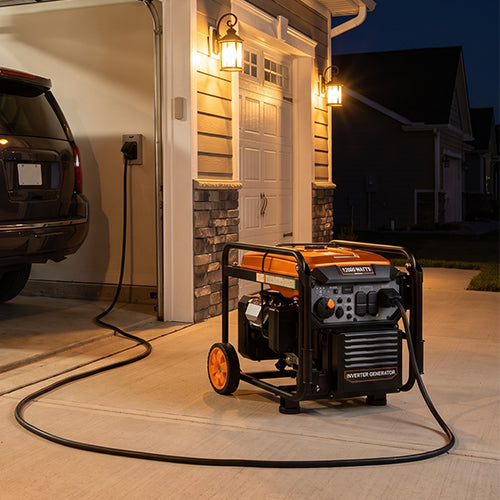
•Show them how to safely operate the generator
•Explain the load management plan
•Identify the safest room to gather in
•Practice the emergency plan
Step 4: Monitor and Maintain (Ongoing)
Monthly during winter:
•Run your generator 15 minutes under load
•Check oil level
•Verify fuel level (keep at least half full)
•Listen for unusual sounds
After any outage:
•Refuel your generator
•Check for damage
•Replace any worn parts
•Document what worked and what didn't
Real-World Winter Emergency Scenarios

Scenario 1: 8-Hour Outage (Most Common)
What happens:
•Power goes out at 6 PM
•Temperature outside: 15°F
•Your furnace stops
•Utility company estimates 8 hours to restore
Your response:
1.Start your generator
2.Connect furnace and essential loads
3.Set thermostat to 65°F
4.Manage load (furnace + fridge + lights)
5.Fuel consumption: ~4 gallons
6.Power restored at 2 AM
7.Home temperature: 62°F (comfortable)
Outcome: Routine blackout handled with no stress.
Scenario 2: 24-Hour Outage (Winter Storm)
What happens:
•Ice storm knocks out power at 2 AM
•Temperature outside: -5°F
•Utility company: "We don't know when power will be restored"
•You're in for the long haul
Your response:
1.Start generator, connect furnace + essentials
2.Set thermostat to 64°F (lower to reduce cycling)
3.Implement load management: furnace, fridge, lights only
4.Refuel at 12-hour mark
5.Fuel consumption: ~12 gallons
6.Power restored at 2 PM next day
7.Home temperature: 64°F (safe and comfortable)
Outcome: Extended outage managed smoothly with preparation.
Scenario 3: 48-Hour Outage (Worst Case)
What happens:
•Major equipment failure
•Utility company: "Possibly 48 hours"
•Temperature: -10°F
•You need to survive two full days
Your response:
1.Start generator, connect furnace + essentials
2.Set thermostat to 62°F (aggressive energy management)
3.Implement strict load rotation (furnace on/off cycles)
4.Refuel at 12 and 24-hour marks
5.Use alternative heat source (fireplace) for supplemental warmth
6.Gather family in one room at night
7.Fuel consumption: ~24 gallons
8.Power restored at 2 PM on day 2
9.Home temperature: 60°F (cold but safe)
Outcome: Worst-case scenario handled without panic or danger.
Common Winter Emergency Mistakes

Mistake #1: No generator
Fix: Buy one now. Don't wait for an outage.
Mistake #3: No fuel stored
Fix: Keep 30-50 gallons on hand. Use fuel stabilizer.
Mistake #5: Running generator indoors
Fix: Always run outdoors. Carbon monoxide is deadly.
Mistake #6: Overloading the generator
Fix: Prioritize loads. Furnace first. Everything else is secondary.
Mistake #7: No alternative heat source
Fix: Have a fireplace, wood stove, or backup heater ready.

Winter Emergency Preparedness Checklist
October - Planning Phase:
Calculate power needs with our Generator Wattage Sizing Calculator
Assess home vulnerabilities
Identify backup heating options
Create family emergency plan
November - Acquisition Phase:
Purchase generator (Efurden 4,400W recommended)
Buy fuel containers and fuel stabilizer
Stock emergency supplies
Acquire backup heat sources
December - Preparation Phase:
Test generator under load
Weatherproof home
Brief family on emergency plan
January-February - Maintenance Phase:
Run generator monthly (15 minutes)
Monitor fuel levels
Check generator condition
Update emergency supplies
Next Steps
1.Calculate your power needs using our Generator Wattage Sizing Calculator
2.Prepare your generator with our Winter Maintenance Checklist
3.Plan your heating strategy using Heating Your Home During Winter Blackout
4.Create your survival plan using 24, 48, or 72 Hours Without Power
5.Take action now, before winter arrives
Winter emergencies are predictable. Preparation is possible. Panic is optional.