







24, 48, or 72 Hours Without Power: Winter Generator Survival Planning
27 Jan 2026
0 Comments
Why Winter Blackouts Are Different (And More Dangerous)
It's 2 AM on a January night. Outside, it's -10°F. Your power goes out.
In summer, this is an inconvenience. In winter, it's a survival situation.
Your furnace stops. The temperature inside your home drops 10 degrees every hour. By morning, it's 45°F. By evening, it's freezing.
This isn't theoretical. Winter blackouts happen. Ice storms, high winds, equipment failures—they all knock out power when you need it most.
The difference between being uncomfortable and being in real danger comes down to one thing: planning ahead with a generator.
But here's what most people get wrong: they buy a generator without knowing if it can actually handle their furnace. They run out of fuel halfway through. They overload it and it shuts down.
This article shows you exactly how to survive 24, 48, or even 72 hours without grid power—safely and comfortably.
Understanding Your Home's Power Needs
Before you can plan, you need to know what you're actually powering.
Furnace Power: The Big One
Your furnace is the critical load. But here's the tricky part: starting power is different from running power.
When your furnace kicks on, the blower motor draws a huge surge of power for 1-2 seconds. This is the "starting power" or "surge power." Then it settles into steady "running power."
Most furnaces need:
|
Furnace Type
|
Starting Power
|
Running Power
|
|
Forced Air (Gas)
|
1,200-2,000W
|
600-800W
|
|
Heat Pump
|
3,500-5,000W
|
1,500-2,500W
|
|
Oil Furnace
|
2,000-3,000W
|
800-1,200W
|
|
Boiler (Hydronic)
|
1,500-2,500W
|
600-1,000W
|
See the gap? A forced air furnace that runs at 700W needs 1,500W to start. If your generator can't handle that surge, it shuts down.
This is why you need to use our Generator Wattage Sizing Calculator. It accounts for both starting and running power.
Other Critical Loads
Your furnace isn't the only thing running:
•Refrigerator: 150-800W (depending on size and age)
•Essential lighting: 200-400W (5-10 LED bulbs)
•Water pump (if you have a well): 500-1,500W starting, 300-800W running
•Phone/device charging: 50-100W
•Medical equipment: 100-500W (if applicable)
Total these up. This is your baseline load.
Choosing the Right Generator Size
Here's the reality: you need a generator that can handle your furnace starting power PLUS your other essential loads.
If your furnace needs 1,500W to start and you're running 400W of other loads, you need at least a 2,000W generator. But that's cutting it close.
The safe approach: Add 20% cushion for safety.
So: 2,000W × 1.2 = 2,400W minimum.
For winter, I recommend:
•24-hour blackout: 3,000-4,000W generator (covers furnace + most home loads)
•48-72 hour blackout: 4,000-5,000W generator (more flexibility, easier load management)
Why? Because a bigger generator runs at lower load percentage. It's more efficient, quieter, and lasts longer.
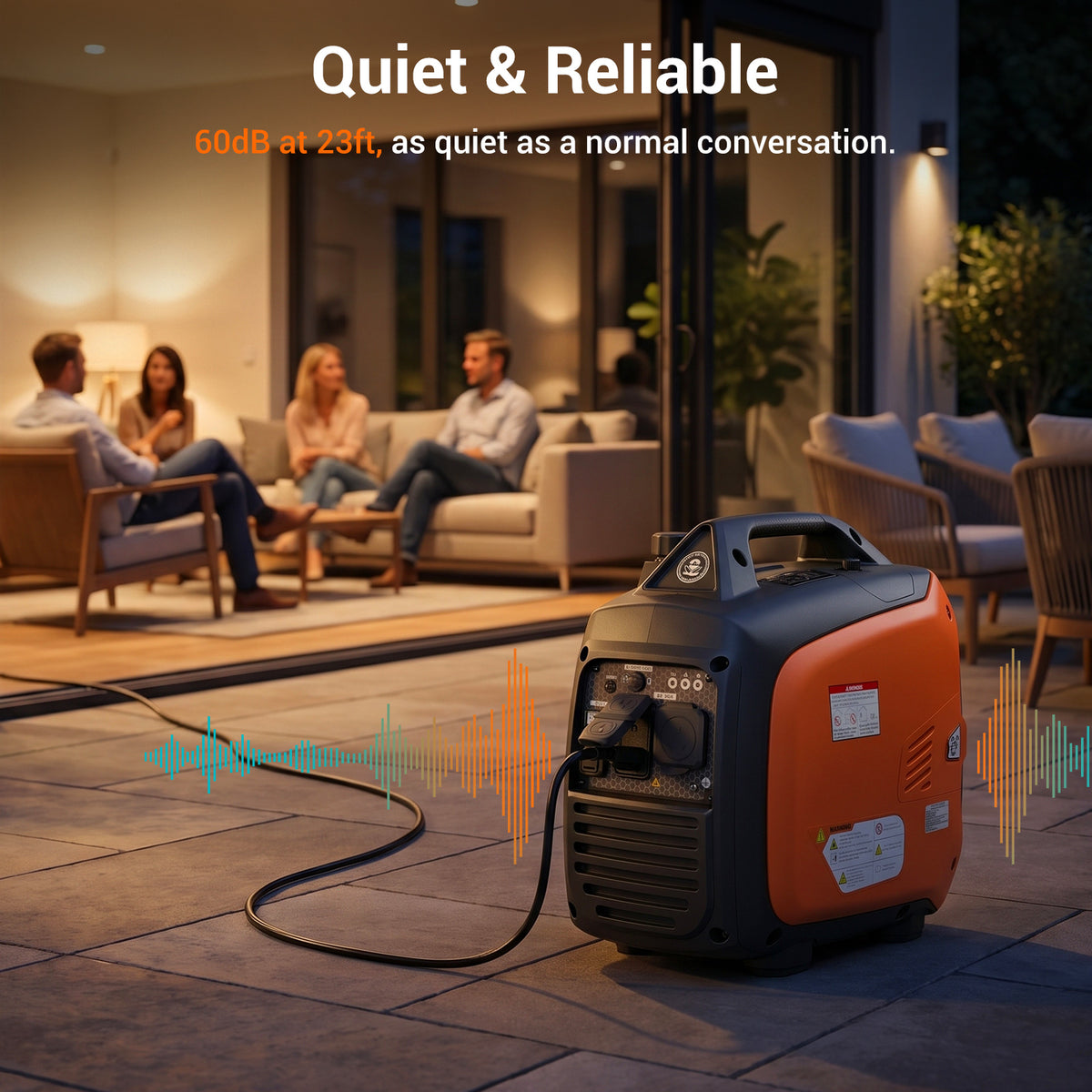
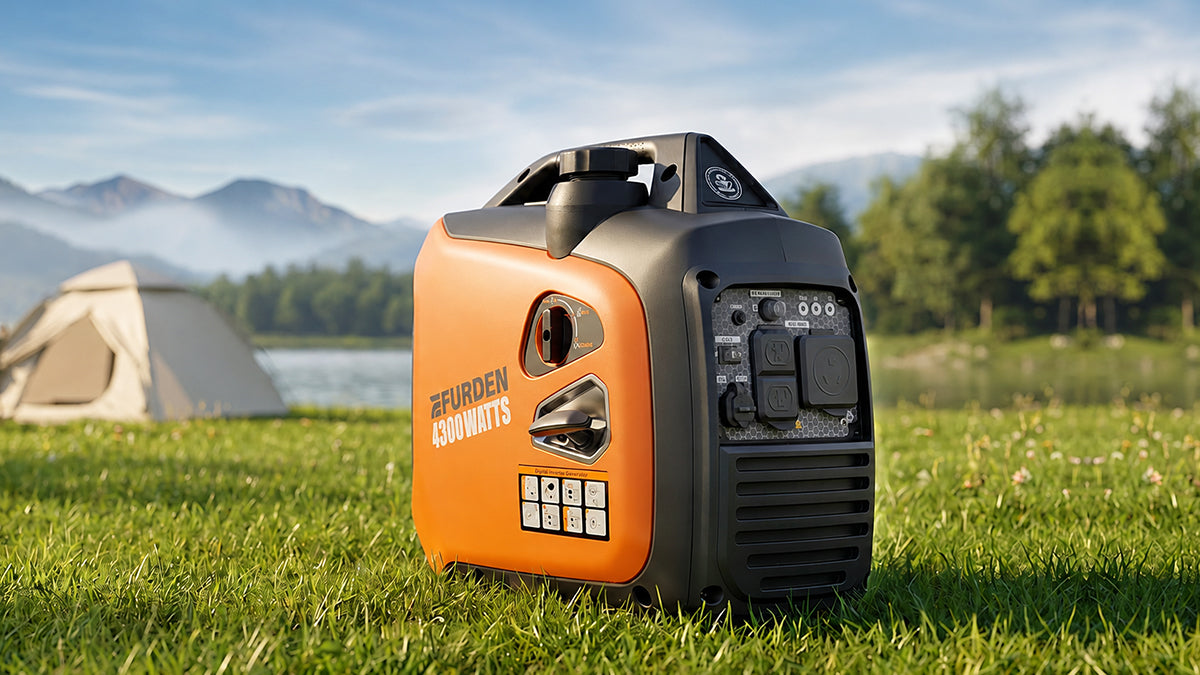
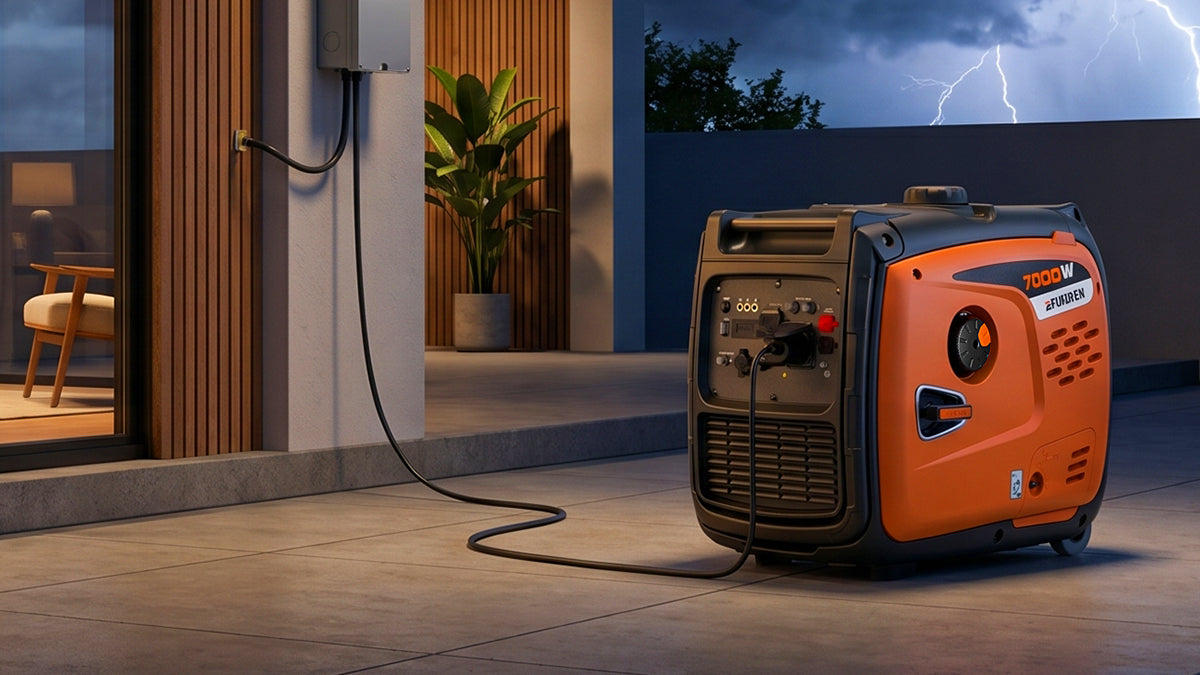
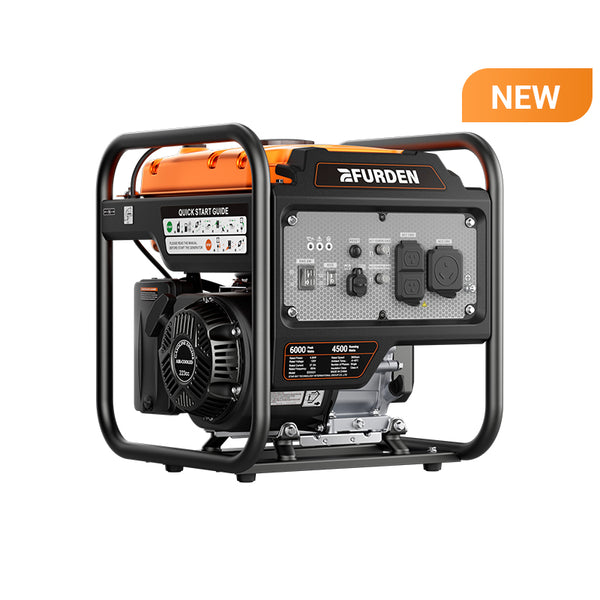
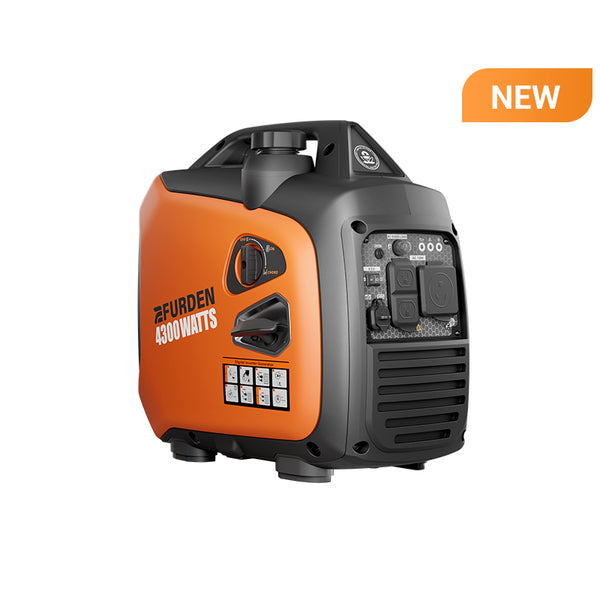
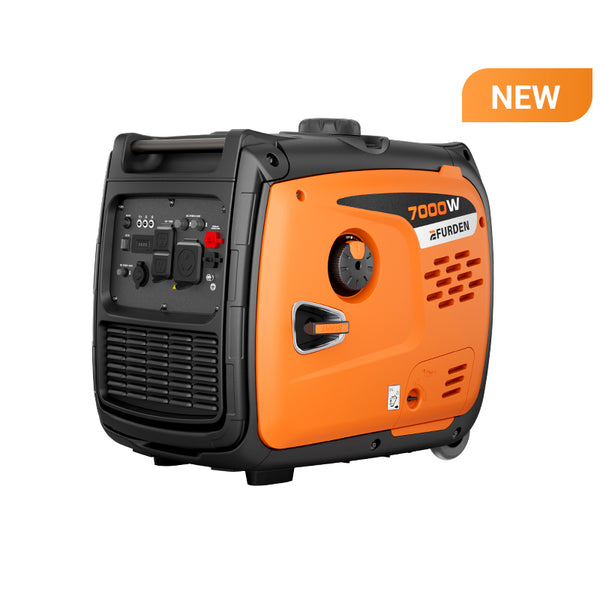
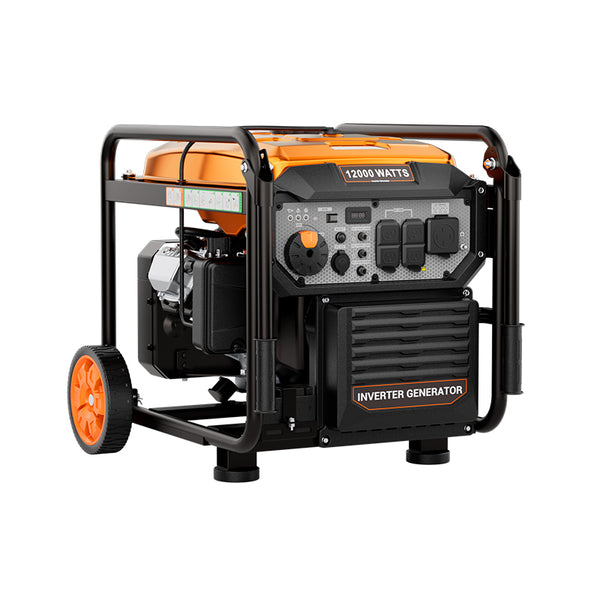
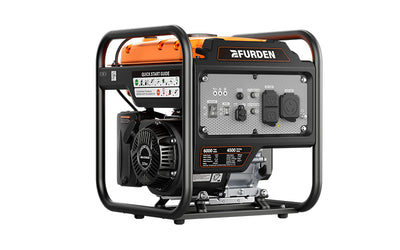
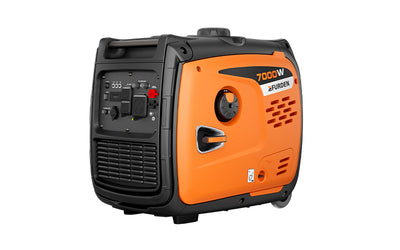
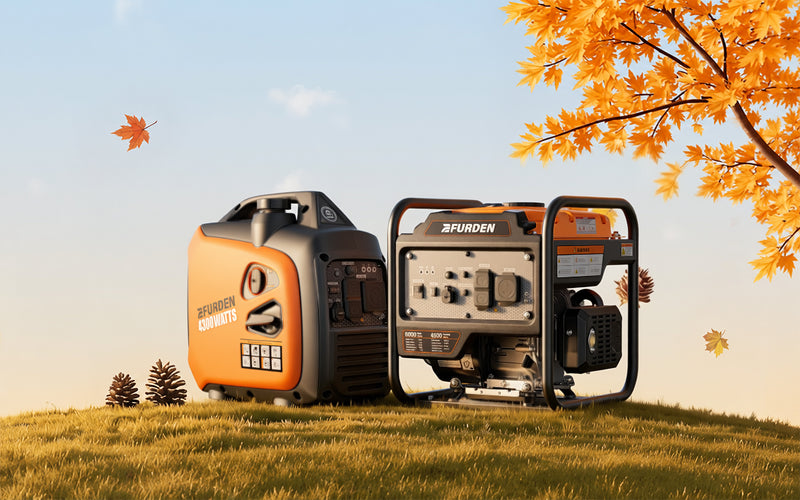
Efurden's 4,400W inverter generator is ideal for winter blackout survival. It handles most furnaces, keeps your home comfortable, and runs efficiently for extended periods.
Fuel Planning for Extended Blackouts
This is where people panic. "How much fuel do I need for 72 hours?"
The answer depends on your load. Here's how to calculate it:
Fuel Consumption Formula
Most generators consume fuel at roughly 0.5 gallons per hour at 50% load, and 0.8 gallons per hour at 75% load.
Example: Efurden 4,400W generator at 50% load = 0.5 gal/hour
For different blackout lengths:
|
Duration
|
Load
|
Fuel Needed
|
|
24 hours
|
50%
|
12 gallons
|
|
24 hours
|
75%
|
19 gallons
|
|
48 hours
|
50%
|
24 gallons
|
|
48 hours
|
75%
|
38 gallons
|
|
72 hours
|
50%
|
36 gallons
|
|
72 hours
|
75%
|
57 gallons
|
Reality check: Most people don't run their generator at 75% load continuously. With smart load management (which we'll cover), you'll stay closer to 50%.
Storage tip: Keep 30-50 gallons of fuel on hand during winter. Use fuel stabilizer (like Sta-Bil) to keep it fresh for months. Rotate your fuel every 6 months.

Load Management: The Key to Survival
You don't need to run everything at once. Smart load management lets you survive longer on less fuel.
Priority System
Priority 1 - Must Run:
•Furnace (obviously)
•Water pump (if you have a well)
Priority 2 - Should Run:
•Refrigerator/freezer (prevents food waste)
•Essential lighting (2-3 rooms)
•Phone charging (emergency communication)
Priority 3 - Can Wait:
•TV, computer, coffee maker
•Non-essential lighting
•Washer/dryer
Priority 4 - Never:
•Space heaters (too much power)
•Electric oven
•Clothes dryer
•Multiple high-draw appliances at once
24-Hour Survival Plan
6 AM - 12 PM: Furnace + fridge + 2 lights + phone charging = ~1,200W12 PM - 6 PM: Furnace + fridge + 2 lights = ~900W (no charging)6 PM - 12 AM: Furnace + fridge + 3 lights + phone charging = ~1,400W12 AM - 6 AM: Furnace only + 1 light = ~700W (minimal load)
Average load: ~1,050W. Fuel needed: ~12 gallons for 24 hours.
48-Hour Survival Plan
Same rotation, but add one fuel refill at the 24-hour mark. Total fuel: ~24 gallons.
72-Hour Survival Plan
Repeat the 24-hour cycle three times. Refuel at 24 and 48 hours. Total fuel: ~36 gallons.
Key insight: Lower your thermostat 2-3 degrees. Your furnace cycles less. You save 20-30% fuel and extend your survival time significantly.
Winter Generator Maintenance: Do This Now
Don't wait for a blackout to prepare:
✅ Switch to winter oil (5W-30 or 10W-30) before December✅ Charge your battery to 12.6V and maintain it monthly✅ Add fuel stabilizer to your stored fuel✅ Test your generator monthly—run it for 15 minutes under load✅ Clear snow from the exhaust outlet before each use✅ Shelter your generator from wind, but ensure exhaust escapes
Real Scenario: The 48-Hour Blackout
Sarah's power went out at 6 PM on a Tuesday in February. Temperature: -5°F.
She had a 4,400W Efurden generator and 30 gallons of fuel stored.
Hour 0-12: Furnace, fridge, lights, phone charging. Generator running at ~1,200W. Fuel consumption: 6 gallons.
Hour 12-24: Reduced load (no charging). ~900W. Fuel consumption: 4.5 gallons.
Hour 24: Refuel with 10 gallons. Total fuel remaining: 19.5 gallons.
Hour 24-36: Back to normal load. ~1,200W. Fuel consumption: 6 gallons.
Hour 36-48: Reduced load. ~900W. Fuel consumption: 4.5 gallons.
Result: Power restored at hour 42. She still had 9 gallons of fuel left. Her home stayed at 68°F. No panic.
This is what planning looks like.
Common Mistakes to Avoid

Mistake #1: Buying a generator without knowing your furnace's starting power.Fix: Use our Generator Wattage Sizing Calculator before buying.
Mistake #2: Not accounting for fuel consumption.Fix: Calculate based on your actual load, not worst-case scenario.
Mistake #3: Trying to run everything at once.Fix: Prioritize. Furnace first. Everything else is secondary.
Mistake #4: Storing fuel without stabilizer.Fix: Use Sta-Bil. Rotate fuel every 6 months.
Mistake #5: Not maintaining your generator.Fix: Change oil, charge battery, test monthly.
Your Winter Survival Checklist
Before winter arrives, complete this:
Calculate your home's power needs using our Generator Wattage Sizing Calculator
Buy a generator sized for your furnace + essential loads (minimum 3,000W)
Store 30-50 gallons of fuel with stabilizer
Change to winter oil (5W-30)
Charge and test your battery
Test your generator under load
Create a load management plan for 24/48/72 hours
Share your plan with family members
Next Steps
Ready to survive winter blackouts with confidence?
1.Use our Generator Wattage Sizing Calculator to determine your exact needs
2.Read our Winter Generator Maintenance Guide for detailed prep steps
3.Explore Efurden's 4,400W inverter generator — tested and rated for cold weather performance
Winter blackouts are inevitable. But with the right generator and a solid plan, you'll stay warm, safe, and comfortable.