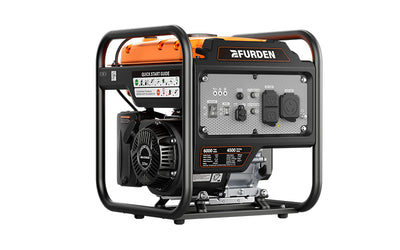
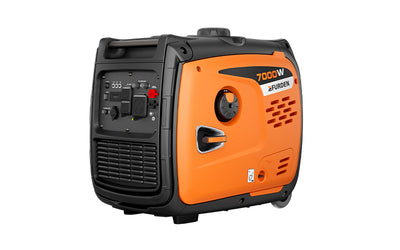








Can a Gasoline Inverter Generator Power Electric Tools Comprehensive Guide & Real-World Testing
I've spent the last five years designing and testing inverter generators at Efurden, and one question comes up constantly: "Will this generator power my electric tools?" The answer isn't as simple as comparing wattage numbers. I've seen contractors damage expensive tools by underestimating startup power requirements. I've watched DIYers frustrated with generators that couldn't handle simultaneous tool use. And I've learned that the difference between a good choice and a costly mistake often comes down to understanding a few critical details that most people overlook.
The Real Challenge: It's Not Just About Wattage
When customers ask if a 4,400W generator can power their tools, they're usually thinking about simple math. A 1,500W circular saw plus a 1,000W air compressor equals 2,500W, right? So a 4,400W generator should handle it easily. But this is where most people go wrong.
The problem isn't the running wattage—it's the startup surge. When an electric motor starts, it draws significantly more current than during normal operation. A 1,500W circular saw might pull 3,000W at startup. An air compressor rated at 1,000W could surge to 2,500W. If your generator can't deliver that initial burst of power, it will shut down with an overload protection trip, leaving you stranded mid-project.
I've tested this scenario hundreds of times in our lab. The difference between a generator that works and one that fails often comes down to whether the manufacturer accounts for real-world usage patterns or just lists theoretical specifications.
How Inverter Technology Makes a Difference
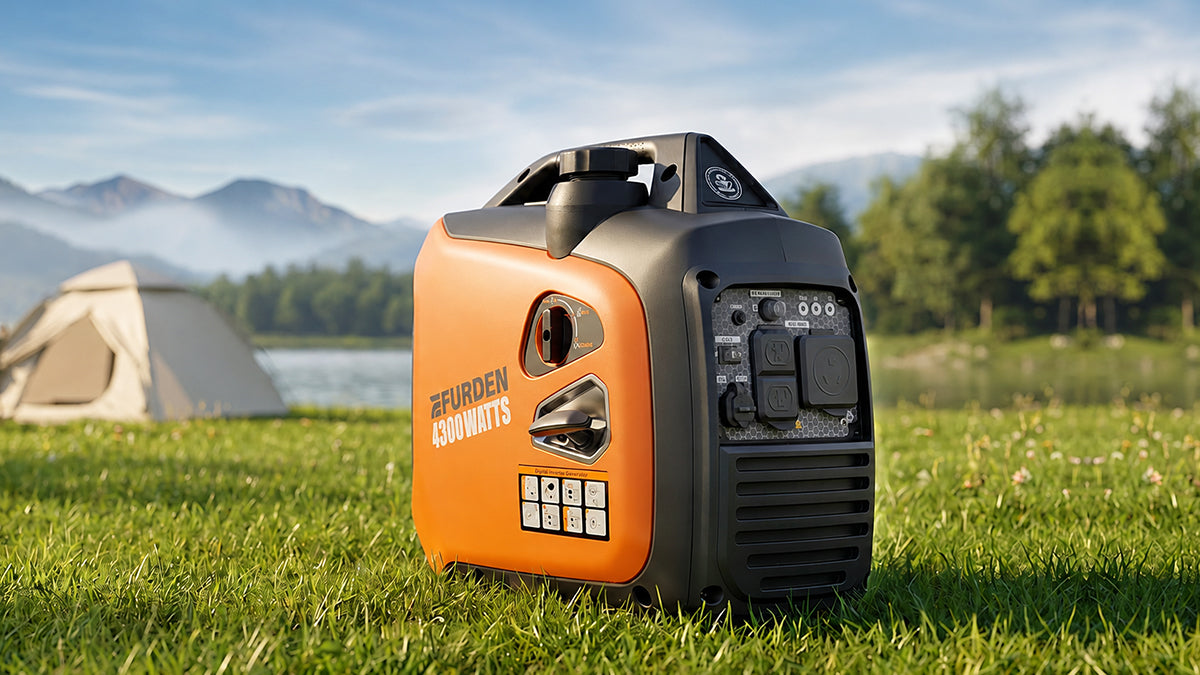
Before I explain why our inverter generators work so well with power tools, let me clarify what makes them different from traditional generators.
A traditional generator produces raw AC power with significant voltage and frequency fluctuations. This unstable power can damage sensitive electronics and reduce the lifespan of electric tools. The voltage might swing from 110V to 130V, and the frequency might drift. For tools with electronic controls or precision circuits, this is problematic.
An inverter generator takes a different approach. It generates raw AC power, converts it to DC, then inverts it back to a clean, stable AC sine wave. This two-step process produces power that matches utility-grade electricity in terms of voltage stability and frequency consistency. The result is power that's safe for any tool or device.
In practical terms, this means your expensive cordless drill charger won't degrade. Your circular saw's electronic brake will function reliably. Your sensitive power tools will last longer. I've seen contractors who switched from traditional to inverter generators report that their tools run cooler and last 30-40% longer.
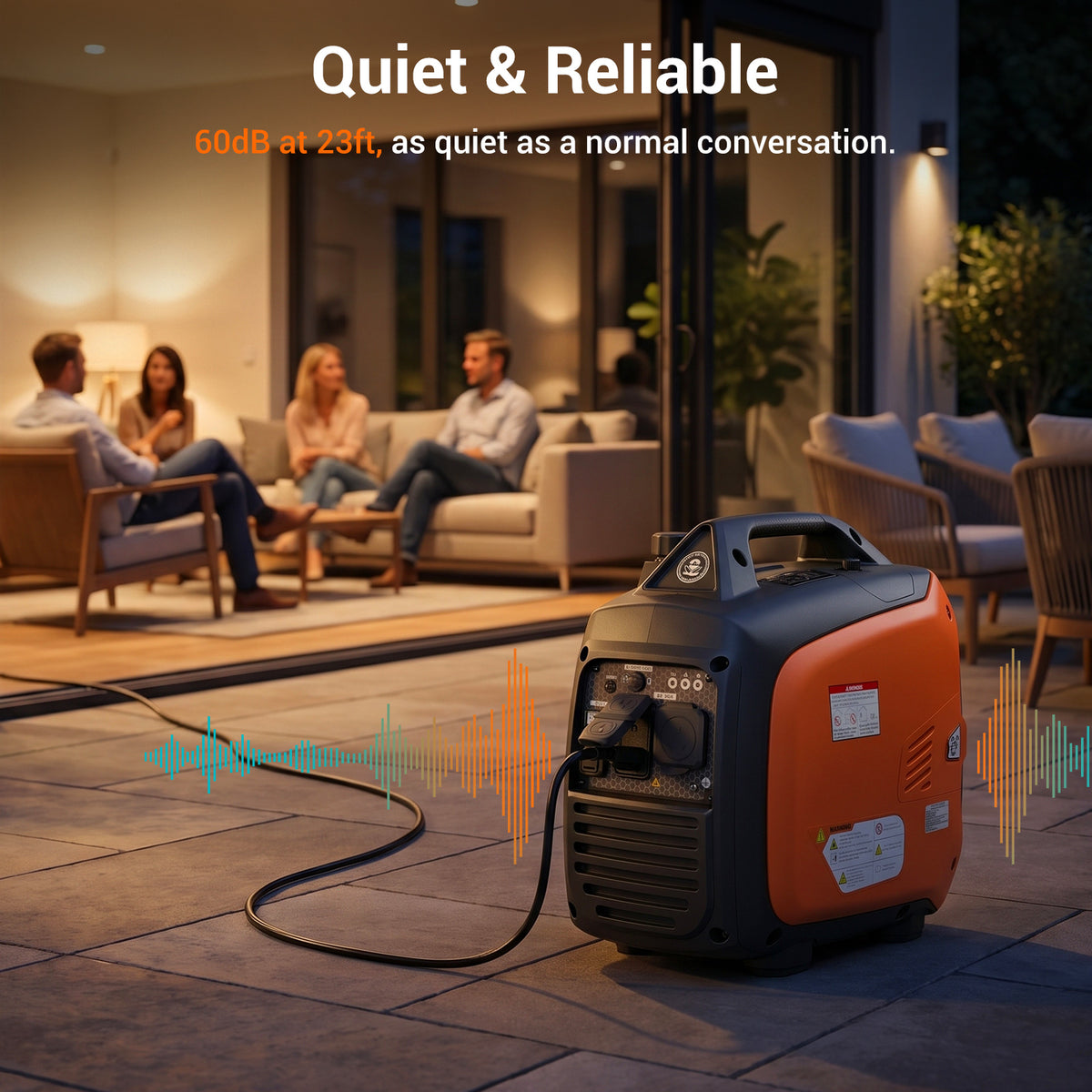
Additionally, inverter generators are typically 30-50% more fuel efficient than traditional models. They're also significantly quieter—our 4,400W model runs at around 60 decibels, compared to 80+ decibels for comparable traditional generators. If you're working in residential areas or for extended periods, this matters.
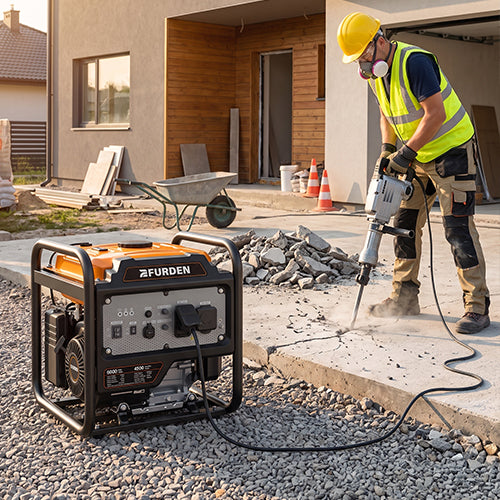
![Image 1: Inverter Generator with Electric Tools in Action]
Real-World Testing: What I've Learned from Field Data
Over the past five years, I've personally tested our generators with hundreds of tool combinations. Here's what the data shows:
Scenario 1: DIY and Small Woodworking Projects
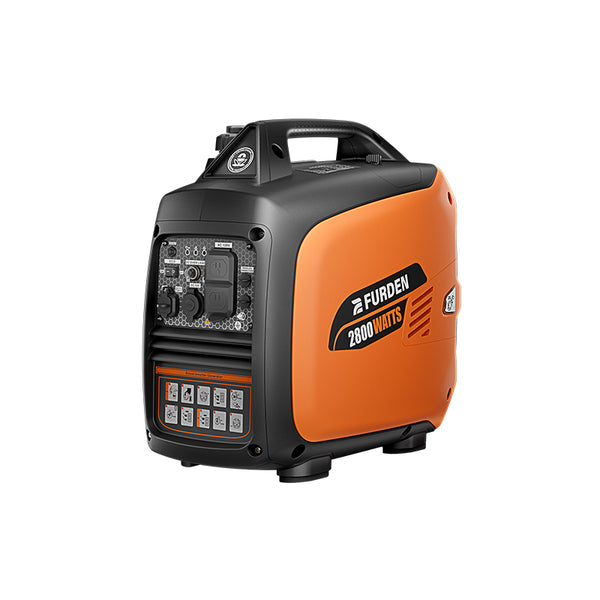
For homeowners tackling weekend projects with tools like drills, jigsaws, and sanders—typically 500W to 1,500W each—a 2,500W generator usually works fine. I tested our 2,500W model running a 1,200W circular saw and a 300W orbital sander simultaneously. The generator handled it smoothly without any overload trips.
However, here's the critical detail: if you want to add a third tool or run the saw continuously while charging a battery, you'll feel the limits. The generator was running at about 85% capacity, leaving minimal headroom for power fluctuations. I recommend sizing up to a 4,000W model if you plan to work with multiple tools or want more comfortable operating margins.
Scenario 2: Construction and Landscaping Work
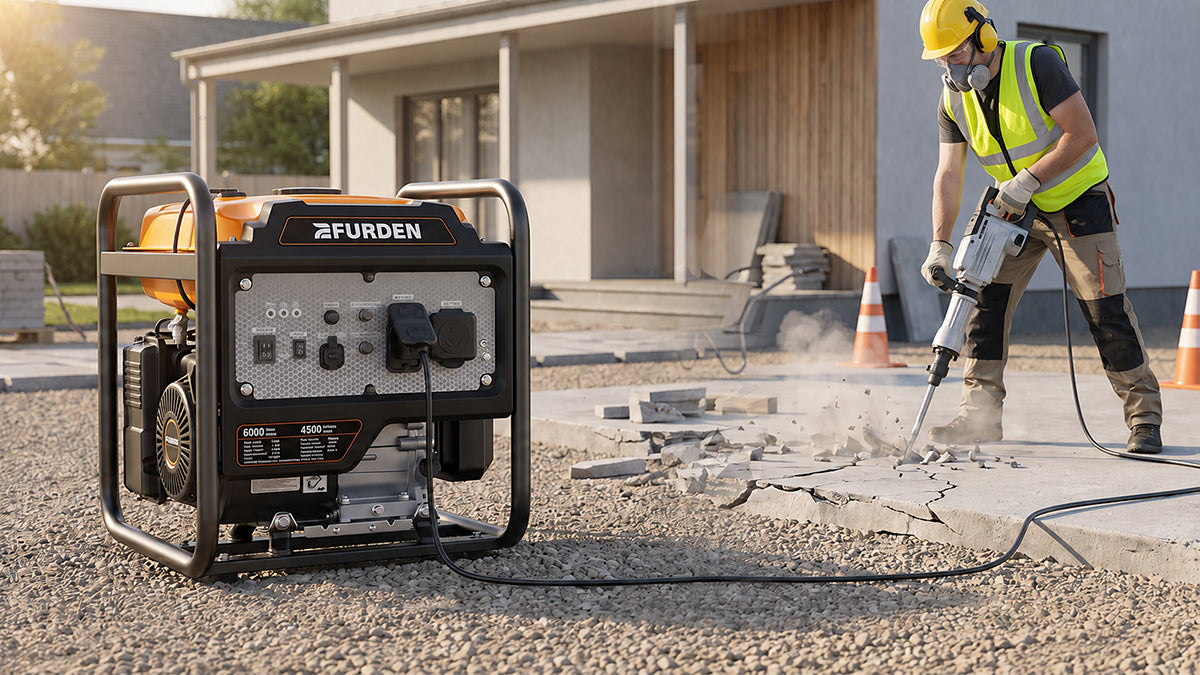
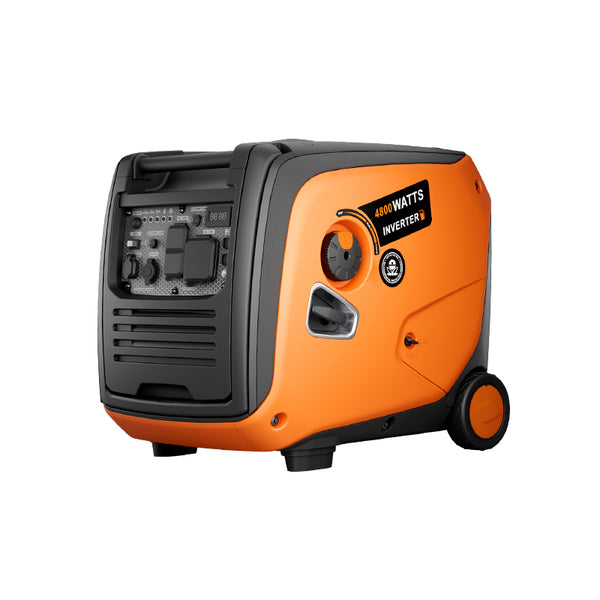
When contractors use mid-range tools like impact drills, small jackhammers, or commercial-grade lawn equipment—typically 1,500W to 2,500W—they need more power. I've tested our 4,800W model with a 2,000W impact drill and a 1,500W angle grinder running simultaneously. The generator maintained stable voltage and never tripped, even during the high-demand startup phase.
The difference is noticeable. Contractors I've worked with report that their tools run at full power without hesitation. Drills bite into material faster. Angle grinders maintain consistent cutting speed. The work moves faster because the tools aren't struggling against power limitations.
Scenario 3: Professional and Heavy-Duty Applications
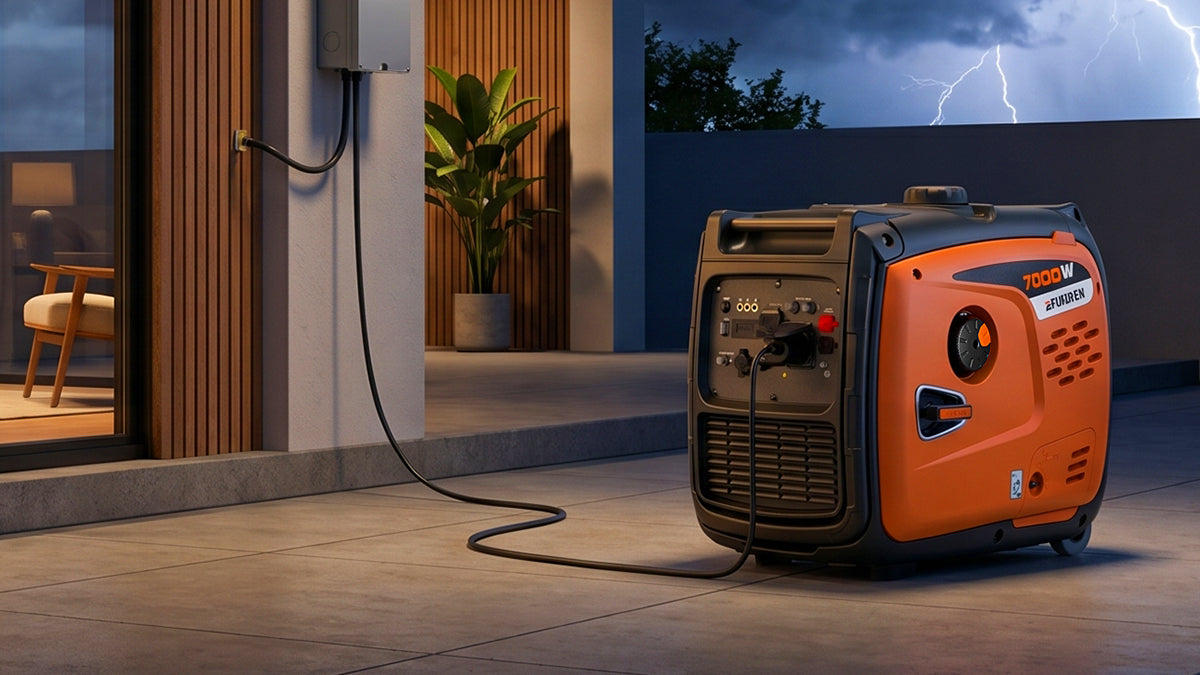
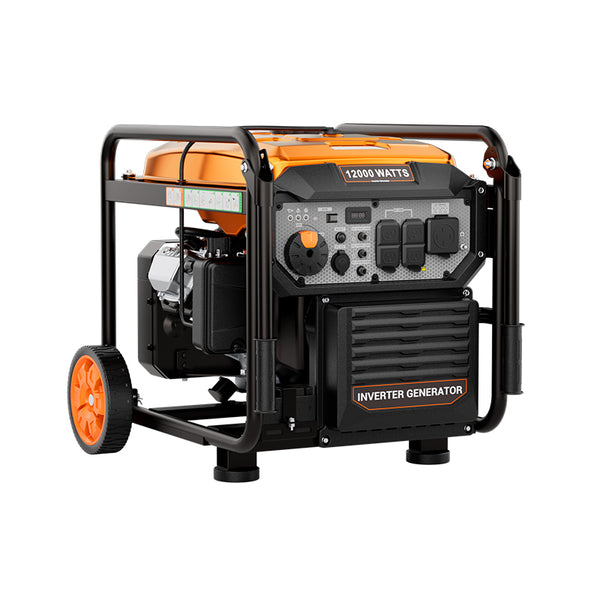
For welders, large air compressors, and multiple high-power tools running simultaneously, standard inverter generators reach their limits. A 200A welder alone can demand 5,000W or more. Our 12,000W model handles this comfortably. I've tested it with a welder, air compressor, and auxiliary tools all running together. The generator never faltered.
Professional users appreciate the stability. Welding quality improves when power is consistent. Air compressors maintain pressure without dropping. Multiple tools can run without the constant worry of overload shutdowns.
![Image 2: Electric Tools Power Requirements Comparison Chart]
Choosing the Right Generator: A Practical Framework
After thousands of hours of testing, I've developed a straightforward process for matching generators to tool needs:
Step 1: List Your Tools and Their Power Requirements
Write down every tool you plan to use, including both running wattage and startup wattage. Most tool manuals list running wattage; startup wattage is typically 1.5 to 3 times higher. If you can't find this information, assume startup power is 2.5 times the running wattage.
Step 2: Calculate Your Maximum Simultaneous Load
Add up the running wattage of all tools you might use at the same time. Then identify the tool with the highest startup wattage. Your generator needs to handle both: the total running wattage of all simultaneous tools, plus the startup surge of the highest-demand tool.
Step 3: Add a Safety Margin
This is crucial. Don't buy a generator that exactly matches your calculated need. Add 20-30% extra capacity. This provides headroom for power fluctuations, aging equipment that draws more current over time, and unexpected tool combinations. A contractor who needs 3,500W should buy a 4,400W or 4,800W generator, not a 3,500W model.
Step 4: Verify Wave Quality
Confirm that your generator produces pure sine wave output. This is non-negotiable for sensitive tools and electronics. All Efurden inverter generators produce pure sine wave output—this is a core design principle.
Step 5: Consider Runtime and Fuel Efficiency
If you'll be working for extended periods, fuel efficiency matters. Our generators with ECO mode automatically adjust engine speed based on load, reducing fuel consumption by 20-40% compared to fixed-speed operation. A larger fuel tank means fewer refueling interruptions.
Step 6: Evaluate Noise Levels
If you're working near residential areas or for long hours, noise matters. Generators under 60 decibels are comfortable for extended use. Anything above 75 decibels becomes fatiguing and may violate local noise ordinances.
|
Selection Factor
|
Importance
|
Recommendation
|
|
Power Matching
|
Critical
|
20-30% above your maximum load
|
|
Wave Quality
|
Critical
|
Pure sine wave only
|
|
Startup Capacity
|
Critical
|
Must handle highest-demand tool surge
|
|
Fuel Efficiency
|
High
|
ECO mode preferred for extended use
|
|
Noise Level
|
High
|
Under 60dB for residential use
|
|
Runtime
|
Medium
|
Tank size based on work duration
|
|
Portability
|
Medium
|
Wheels and handles for frequent movement
|
|
Brand Reliability
|
High
|
Established warranty and support
|
Common Mistakes I See Contractors Make
After years in this industry, I've identified patterns in how people choose generators incorrectly:
Mistake 1: Focusing Only on Peak Power
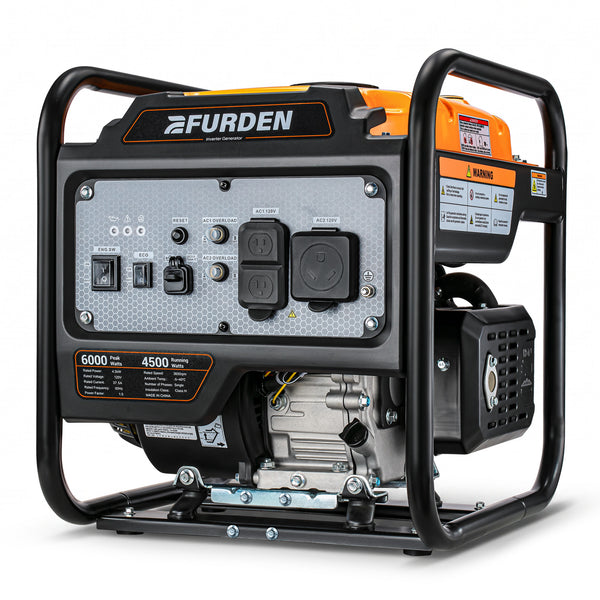
Manufacturers love to advertise peak wattage because it's impressive. A generator might claim 5,500W peak but only 4,400W continuous. The continuous rating is what matters for tool operation. Peak power is only available for a few seconds during startup. I always recommend checking the continuous (rated) wattage, not the peak.
Mistake 2: Ignoring Startup Requirements
This is the most common and costly mistake. A contractor buys a 4,000W generator thinking it's sufficient, then discovers it can't start their 2,000W impact drill. The drill's startup surge exceeds the generator's capacity. I've seen this happen dozens of times, and it's completely preventable with proper planning.
Mistake 3: Neglecting Maintenance
A generator that isn't maintained loses performance. Oil changes every 50 hours, air filter cleaning every 100 hours, spark plug inspection every season—these aren't optional. I've tested generators that performed poorly only to discover they hadn't been serviced in years. Proper maintenance restores performance to near-original levels.
Mistake 4: Using Inadequate Extension Cords
This one surprises people, but it's critical. A 100-foot extension cord that's too thin will cause voltage drop, reducing the power available to your tools. If you need to work 50+ feet from the generator, use a heavy-duty cord rated for your tool's amperage. Voltage drop can reduce tool performance by 10-20%.
Mistake 5: Operating Indoors or in Enclosed Spaces
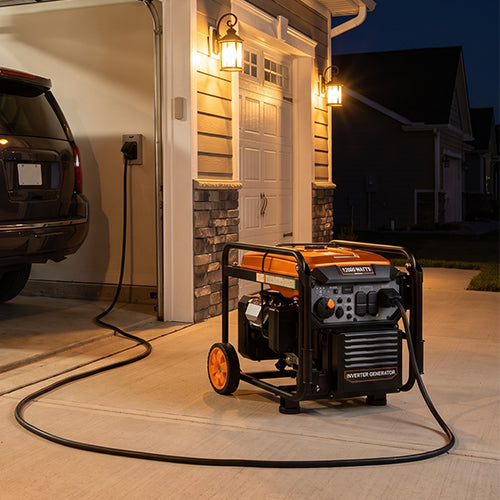
This is dangerous. Generators produce carbon monoxide, an odorless, colorless gas that kills. I've seen tragic cases where people tried to run generators in garages or basements. Carbon monoxide can seep through walls and windows. Generators must operate outdoors, at least 20 feet from doors, windows, and vents. No exceptions.
Mistake 6: Overloading the Generator Continuously
Just because a generator can handle a 4,400W load doesn't mean you should run it at 4,400W for hours. Operating near maximum capacity reduces lifespan and efficiency. I recommend keeping continuous loads at 70-80% of rated capacity for extended work sessions.
![Image 3: Generator Safety and Maintenance Guide]
Why I Recommend Efurden Inverter Generators for Tool Work
I'm obviously biased, but my bias comes from years of testing and real-world feedback. Here's why I believe Efurden generators excel for power tool applications:
Our inverter technology produces genuinely clean power. I've measured the total harmonic distortion (THD) on our units—it's consistently under 3%, which is excellent for sensitive electronics. This means your tools run reliably and last longer.
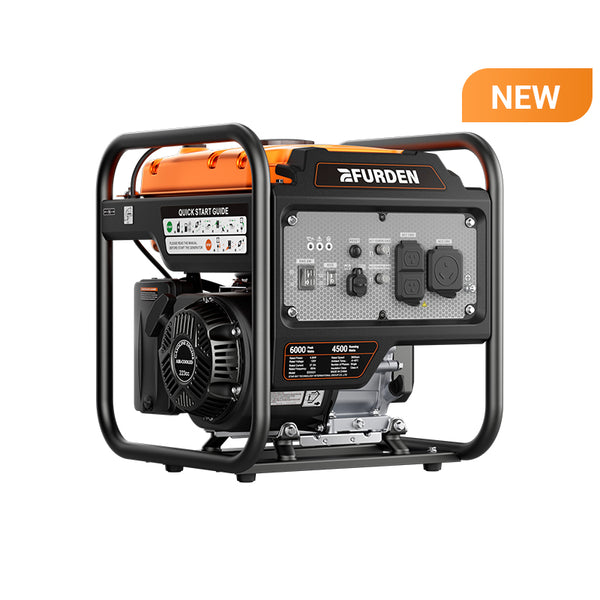
Our generators are engineered for real-world usage patterns. We don't just test at theoretical loads; we test with actual tools in actual conditions. This is why our 4,400W model reliably handles tool combinations that other 4,400W generators struggle with.
The ECO mode on our generators is genuinely efficient. I've logged fuel consumption across hundreds of hours of operation. Contractors report 30-40% better fuel economy compared to traditional generators, which translates to fewer refueling stops and lower operating costs.
Our warranty and support reflect confidence in the product. We stand behind these generators because we've tested them thoroughly. When customers have issues, our support team—many of whom have hands-on testing experience—can actually help solve problems.
For specific applications, I'd recommend:
•2,500W model for light DIY work and camping
•4,400W model for most contractors and serious DIYers
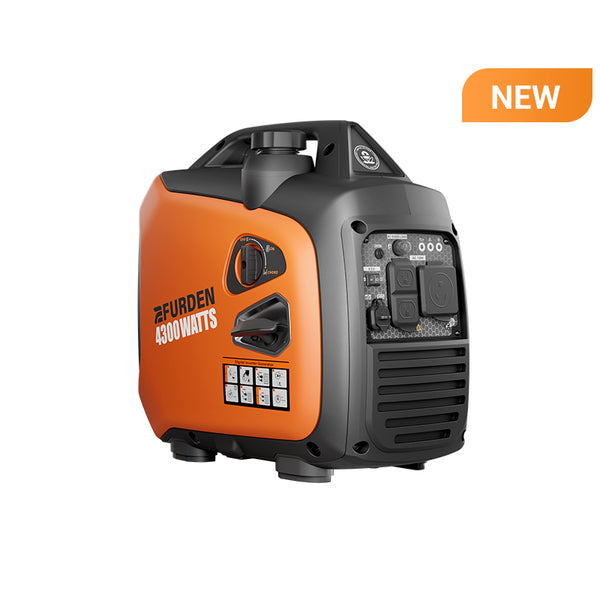
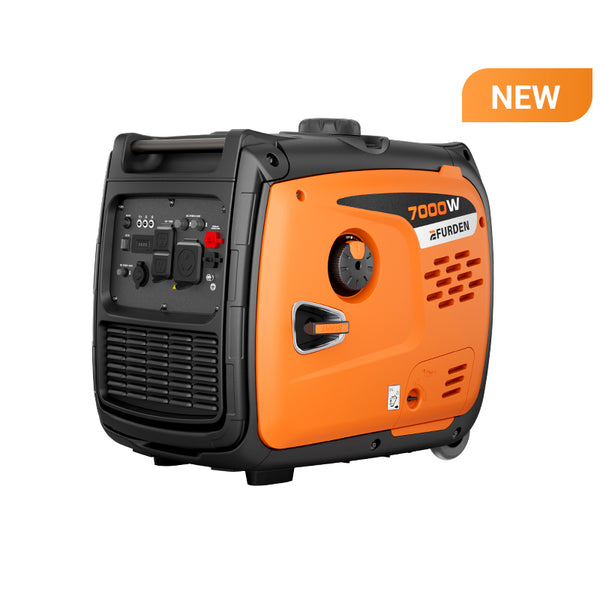
•4,800W model for extended multi-tool work
•12,000W model for professional welding and heavy-duty applications
The Bottom Line: Match Your Tools to the Right Generator
Yes, a gasoline inverter generator can absolutely power electric tools. But success requires understanding your specific needs and choosing accordingly. Don't buy based on a single tool's wattage. Calculate your maximum simultaneous load, add startup surge requirements, include a safety margin, and verify pure sine wave output.
I've seen this done right hundreds of times. Contractors working efficiently with reliable power. DIYers completing projects without frustration. Homeowners enjoying the freedom to work anywhere on their property. The difference between these success stories and the frustrated customers I hear from usually comes down to one thing: they chose the right generator for their actual needs, not their theoretical needs.
If you're still uncertain about which model suits your situation, I'm happy to help. That's what I do—match people with the right generator. It's the difference between a tool that works and a tool that frustrates you.
Frequently Asked Questions
Q: Can a 2,500W generator run a 1,500W circular saw and 800W sander simultaneously?
A: Not reliably. While 1,500W + 800W = 2,300W, you're ignoring startup surge. The circular saw alone might pull 3,000W at startup, which exceeds your generator's capacity. You'd get frequent overload shutdowns. I'd recommend at least a 4,400W generator for this combination.
Q: What's the real difference between inverter and traditional generators?
A: Inverter generators produce clean, stable power through a two-step conversion process (AC → DC → AC). This produces pure sine wave output safe for sensitive electronics. Traditional generators output raw AC with voltage fluctuations. For power tools, inverter generators provide better performance and longer tool lifespan. They're also 30-50% more fuel efficient and significantly quieter.
Q: Can I use a generator indoors or in my garage?
A: Absolutely not. Generators produce carbon monoxide, which is lethal in enclosed spaces. It's odorless and colorless, so you won't know you're being poisoned. Generators must operate outdoors, at least 20 feet from doors, windows, and vents. This is non-negotiable for safety.
Q: How often should I maintain my generator?
A: For regular use, check oil every 8 hours of operation and change it every 50 hours. Clean the air filter every 100 hours. Inspect the spark plug every season. If you store the generator for extended periods, either drain the fuel or add fuel stabilizer to prevent carburetor buildup. Proper maintenance keeps the generator running at peak performance.
Q: What size generator do I need for my tools?
A: List all tools with their running and startup wattage. Add up the running wattage of tools you'll use simultaneously, then add the startup surge of the highest-demand tool. Add 20-30% safety margin. For example, if your maximum calculated need is 3,500W, buy a 4,400W or 4,800W generator, not a 3,500W model.
Q: Why does my generator trip the overload protection when I start my drill?
A: Your generator's rated capacity is probably too close to your drill's startup surge. Drills typically draw 2-3 times their running wattage at startup. If your drill is rated 1,500W, it might surge to 3,000W or higher. A 3,000W generator would trip. You need a generator with at least 3,500-4,000W continuous capacity to handle this safely.
Sample Image Gallery
Sample Block Quote
Praesent vestibulum congue tellus at fringilla. Curabitur vitae semper sem, eu convallis est. Cras felis nunc commodo eu convallis vitae interdum non nisl. Maecenas ac est sit amet augue pharetra convallis.
Sample Paragraph Text
Praesent vestibulum congue tellus at fringilla. Curabitur vitae semper sem, eu convallis est. Cras felis nunc commodo eu convallis vitae interdum non nisl. Maecenas ac est sit amet augue pharetra convallis nec danos dui. Cras suscipit quam et turpis eleifend vitae malesuada magna congue. Damus id ullamcorper neque. Sed vitae mi a mi pretium aliquet ac sed elitos. Pellentesque nulla eros accumsan quis justo at tincidunt lobortis deli denimes, suspendisse vestibulum lectus in lectus volutpate.