








5 Common Mistakes When Using a Portable Generator at Home
12 Feb 2026
0 Comments
Power goes out. You flip the switch on your generator. Relief washes over you. You have heat. You have lights. You have a working refrigerator.
But then you make a mistake. A small one. Just one wrong decision.
That's when things go wrong.
I've talked to dozens of homeowners who've had generator accidents. Some were lucky. They caught the mistake before anything serious happened. Others weren't so lucky. One family nearly died from carbon monoxide poisoning. Another had their house catch fire.
The scary part? These accidents were all preventable. They happened because of simple, common mistakes.
Let me walk you through the five most common ones. And more importantly, how to avoid them.
Mistake #1: Placing the Generator Too Close to the House
This is the mistake I made. And it nearly killed my family.
I moved the generator closer to the house to shorten the extension cord. Just a few feet closer. What harm could it do?
A lot.
Carbon monoxide (CO) is a colorless, odorless gas. It seeps through walls, windows, and doors. At 20 feet away, CO disperses in the air and reaches safe levels. At 10 feet away, CO accumulates in your home.
That night, my wife woke up with a headache. Then my daughter. Then me. We all felt dizzy and nauseous. We didn't know what was wrong until we realized: carbon monoxide.
The rule: Place your generator at least 20 feet away from windows, doors, and vents. Preferably 30+ feet.
Why this matters: CO kills. It binds to your blood's hemoglobin, preventing oxygen from reaching your organs. Your brain, heart, and lungs suffer first. Symptoms start subtle: headache, dizziness, nausea. Then confusion. Then loss of consciousness. Then death.
What to do:
•Measure 20+ feet from your house
•Point the exhaust away from windows and doors
•Check the wind direction (exhaust should blow away from your home)
•Never move it closer, even for a few minutes
Mistake #2: Running the Generator in the Garage
"Just for a few minutes while I get the extension cord set up."
That's what most people say before they make this mistake.
The garage is not safe. Even with the door open. Even with ventilation. CO seeps through walls and accumulates in your home.
I've talked to fire departments about this. They've responded to multiple CO poisoning calls from generators in garages. Some families survived. Some didn't.
The rule: Never run a generator in any enclosed space. Not your garage. Not your basement. Not your shed. Not even in your RV or camper.
Why this matters: Enclosed spaces trap CO. It accumulates rapidly. You can lose consciousness in minutes. Death can follow.
What to do:
•Always run the generator outside
•Place it at least 20 feet away from your home
•Never bring it inside, even for a moment
•If you need to refuel, turn it off and let it cool first
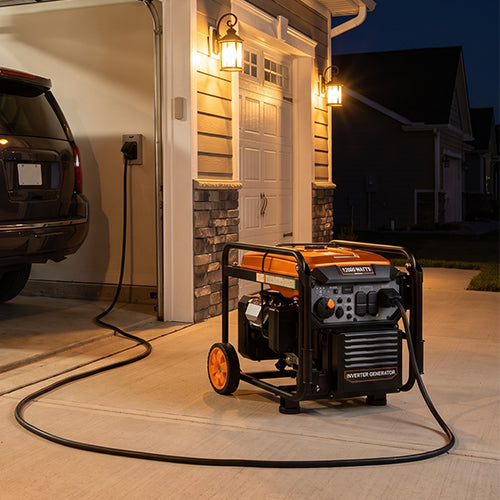
Mistake #3: Using an Indoor Extension Cord Outdoors
Indoor extension cords are not rated for outdoor use. They degrade in sunlight, rain, and cold. The insulation cracks. The wires are exposed.
That's a fire hazard.
I've seen extension cord fires. The cord gets hot. The insulation melts. The wires touch. Sparks fly. Fire starts.
Most people don't think about this. They grab whatever cord is handy and run it outside.
The rule: Use heavy-duty, outdoor-rated extension cords. Minimum 12 AWG (American Wire Gauge). Grounded (three-prong).
Why this matters: Indoor cords can't handle outdoor conditions. They degrade and become fire hazards. They can also cause electrocution if wet.
What to do:
•Buy outdoor-rated extension cords (clearly labeled)
•Use 12 AWG minimum for distances under 50 feet
•Use 10 AWG for 50-100 feet
•Use 8 AWG for over 100 feet
•Inspect cords regularly for damage
•Replace damaged cords immediately
Mistake #4: Refueling a Hot Generator
Gasoline ignites at low temperatures. A hot generator can ignite fuel vapors. The result: fire and explosion.
I've seen this happen. A homeowner refueled a generator that was still warm. The fuel ignited. His hand caught fire. He was hospitalized with third-degree burns.
The rule: Always let the generator cool before refueling. Wait at least 15-30 minutes after shutting it off.
Why this matters: Hot surfaces + gasoline vapors = fire. Burns are severe. Explosions can destroy your home.
What to do:
•Turn off the generator when you need to refuel
•Wait 15-30 minutes for it to cool
•Refuel outdoors, away from your home
•Keep a fire extinguisher nearby
•Never smoke while refueling
•Wipe up spills immediately
Mistake #5: Not Grounding the Generator
A generator produces electricity. If not grounded properly, it can electrocute you.
Grounding is a safety system that directs dangerous electrical current into the earth, away from you. Without proper grounding, touching the generator or its equipment can be fatal.
Most homeowners don't know about grounding. They don't think it matters. It does.
The rule: Ground your generator properly. Drive a copper ground rod 8 feet into the earth. Connect the generator's ground lug to the ground rod with copper wire.
Why this matters: Improper grounding causes electrocution and death. It's not optional.
What to do:
•Check if your generator has a ground lug (metal terminal on the frame)
•Drive a copper ground rod 8 feet into the earth near your generator
•Connect the ground lug to the ground rod with copper wire
•Test the grounding with a multimeter
•If you're not sure, hire an electrician
How to Use a Generator Safely at Home

Beyond these five mistakes, there are daily safety practices.
Before starting:
•Check the oil level (low oil causes engine damage and fire)
•Check the fuel level
•Inspect for damage or leaks
•Ensure it's on level ground
•Ensure the area is clear of people and pets
While running:
•Never refuel a running generator
•Never touch the generator with wet hands
•Never operate in heavy rain or standing water
•Never modify the generator
•Keep children and pets away
After running:
•Let it cool before refueling
•Drain fuel before storage (or use fuel stabilizer)
•Store fuel in approved containers, away from the generator
•Maintain proper ventilation while cooling
Why Homeowners Make These Mistakes
I've talked to dozens of homeowners. Here's what I've learned.
Most mistakes happen because people don't understand the risks. They think "just this once" or "just for a few minutes" won't matter. They don't realize how quickly CO accumulates. They don't know that indoor cords can catch fire. They don't understand that refueling a hot generator is dangerous.
The other reason: convenience. Placing the generator 20 feet away is inconvenient. Waiting for it to cool before refueling is inconvenient. Buying outdoor-rated extension cords costs more. But convenience is not worth your life.
Choosing a Safe Generator
Not all generators are created equal. Some have better safety features than others.
Look for these safety features:
•Automatic shutoff: Turns off if oil level drops (prevents engine damage and fire)
•Overload protection: Shuts down if you exceed the wattage capacity
•GFCI outlets: Ground Fault Circuit Interrupter prevents electrocution
•Low-fuel warning: Alerts you when fuel is low
•Cool-touch exterior: Reduces burn risk
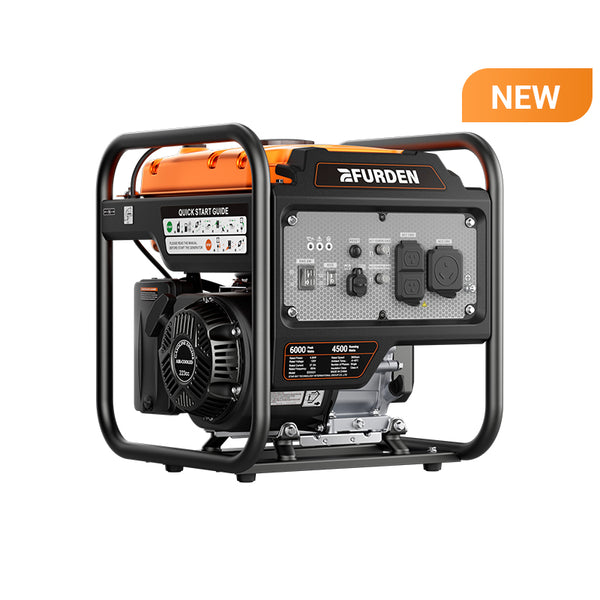
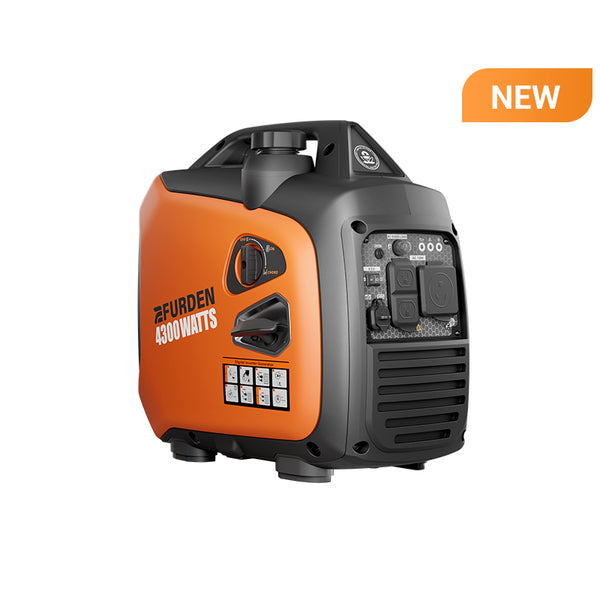
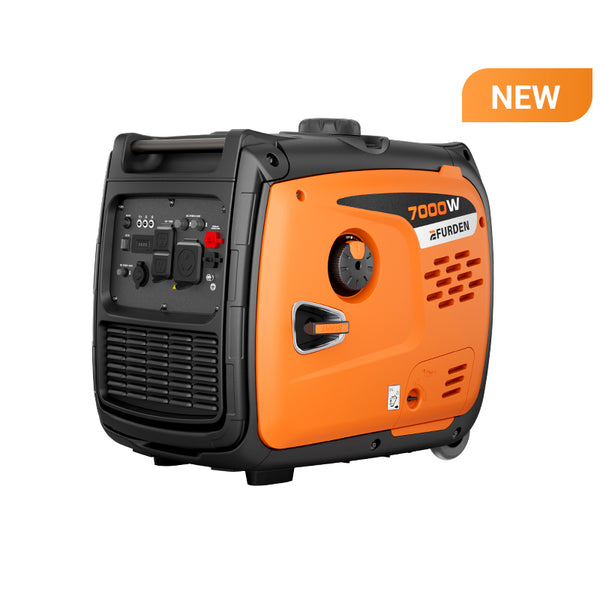
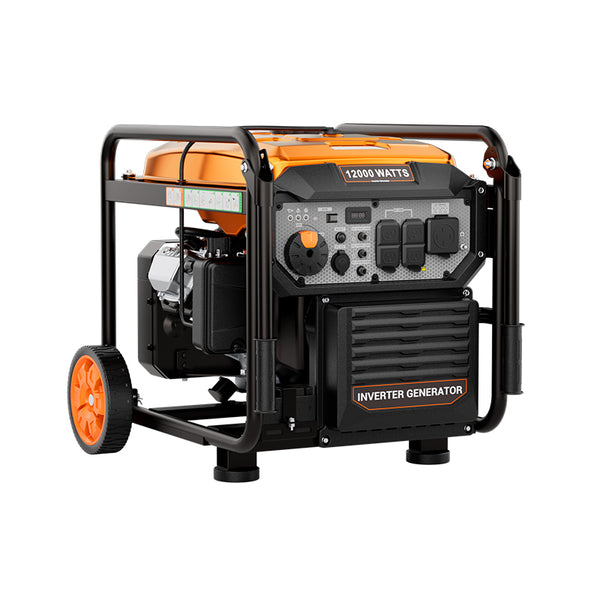
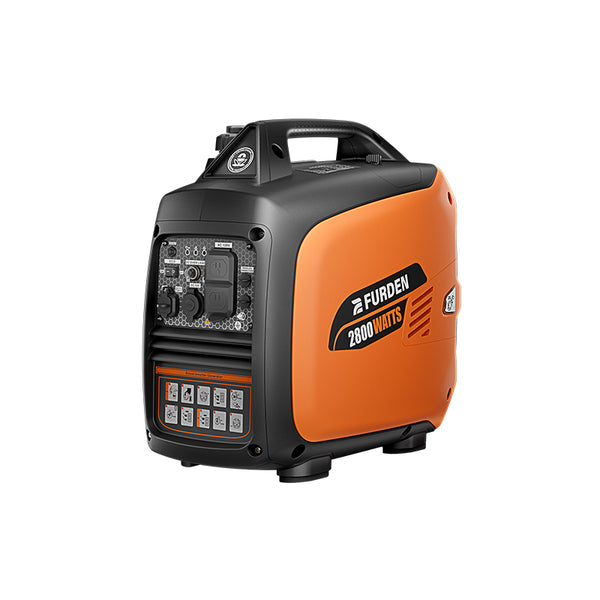
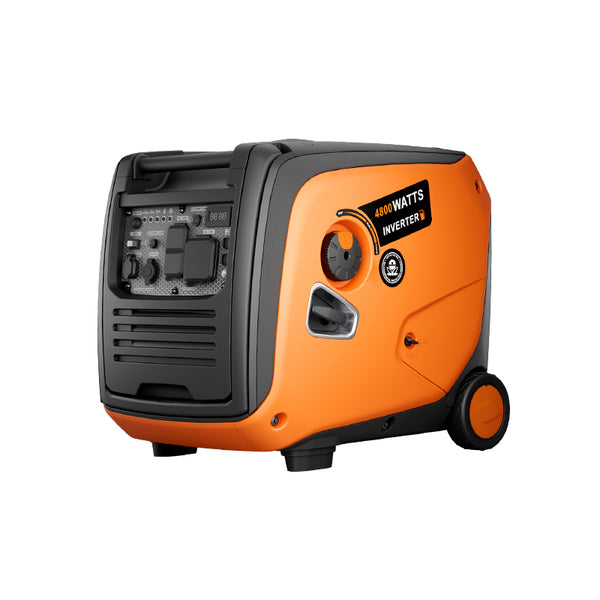
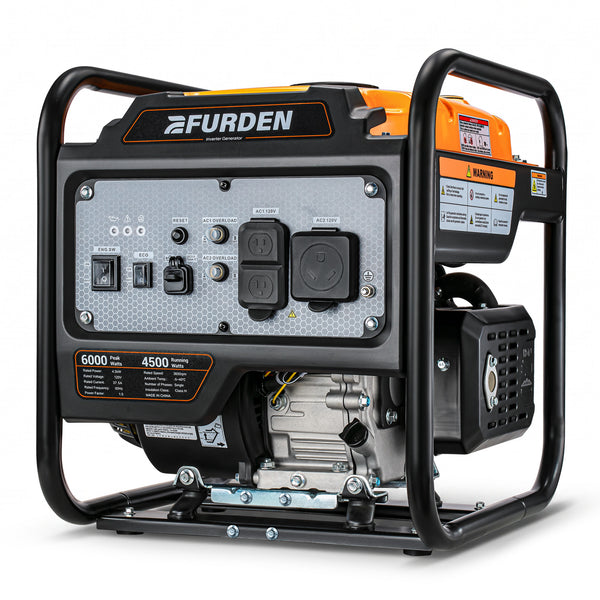
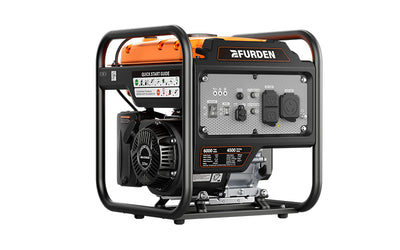
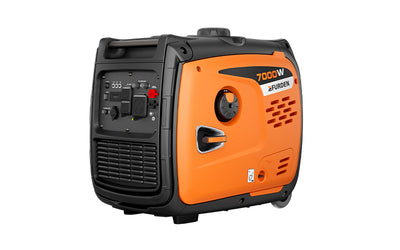
Efurden portable generators include these safety features. They're designed with your family's safety in mind. But even the safest generator is dangerous if used incorrectly.
Your responsibility is to use it correctly. Place it properly. Ground it. Maintain it. Respect its power.
The Bottom Line
A generator is a powerful tool. It provides power when you need it most. But it's also dangerous if used incorrectly.
The five mistakes I've outlined are preventable. Don't place it too close to your house. Don't run it in the garage. Don't use indoor extension cords. Don't refuel a hot generator. Do ground it properly.
Follow these five rules, and you'll avoid the most common generator accidents.
Your family's safety depends on it.
Frequently Asked Questions
Q: Can I run a generator in my garage with the door open?
A: No. CO seeps through walls and doors. Even with the door open, CO accumulates in your home. Keep the generator outside, 20+ feet away.
Q: How far away does a generator need to be from my house?
A: At least 20 feet. Preferably 30+ feet. The further away, the safer.
Q: What if I don't have space 20 feet away?
A: Then you need a smaller generator, or you need to find another location. Safety is non-negotiable.
Q: Can I use an extension cord rated for indoor use outdoors?
A: No. Indoor cords aren't rated for outdoor conditions. They degrade and become fire hazards. Use outdoor-rated cords only.
Q: How long should I wait before refueling?
A: At least 15-30 minutes after shutting it off. The longer you wait, the safer it is.
Q: What does grounding do?
A: Grounding directs dangerous electrical current into the earth, away from you. Without proper grounding, touching the generator can be fatal.
Q: What's the first sign of carbon monoxide poisoning?
A: Headache and dizziness. If you experience these symptoms, get outside immediately and call 911.
Q: Should I use a CO detector instead of proper placement?
A: CO detectors are a backup, not a replacement. Proper placement prevents the problem entirely.
Q: What size generator do I need for my home?
A: Depends on what you want to run. For essential systems (refrigerator, lights, water pump), 2,000-3,000W is typical. For comfort items (AC, water heater), 4,000-5,500W. Check our product options for your specific needs.
Q: How often should I service my generator?
A: Annually for oil changes and filter replacements. Every 2-3 years for professional service.
Key Takeaways
•Never place a generator closer than 20 feet from your house
•Never run a generator in any enclosed space
•Always use outdoor-rated extension cords
•Always let the generator cool before refueling
•Always ground your generator properly
•CO kills—respect its danger
•Convenience is not worth your life
•Follow safety rules, and you'll avoid accidents
•Your family's safety depends on proper generator use
A generator is a tool. Like any tool, it can help you or hurt you. The choice is yours.
Use it safely. Place it correctly. Ground it. Maintain it. Respect its power.
And you'll have reliable backup power without endangering your family.