







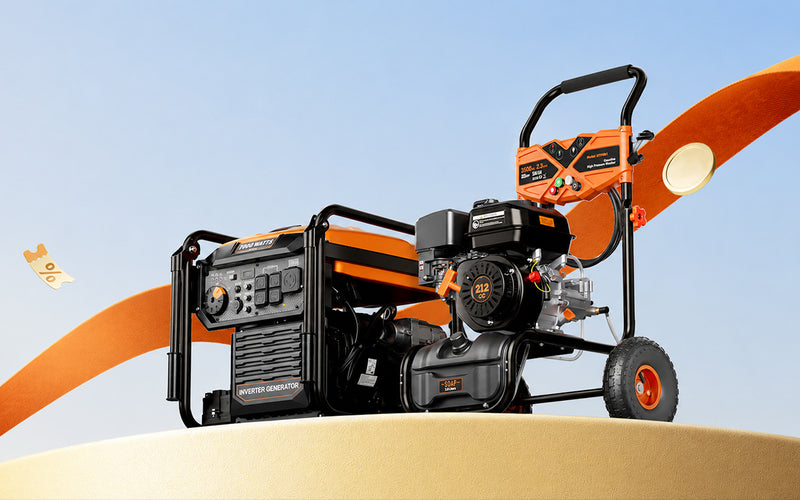


Inverter Generator vs Regular Generator: Key Differences Explained
05 Jan 2026
1 comment
The "Dirty Power" Gamble: Why Your Tech is at Risk During a Blackout
I still remember the 2021 winter storm. My neighbor, a great guy but a bit old-school, pulled out his massive 10,000-watt traditional generator. It sounded like a freight train was idling in his driveway. He offered to let me plug in my laptop to finish some work, but I hesitated. Why? Because I knew that "dirty power" coming out of his machine could fry my $2,000 MacBook in seconds.
That’s the moment most people realize that not all watts are created equal.
If you’re stuck in the inverter vs traditional generator debate, you’re not just choosing a machine—you’re choosing whether or not to gamble with your home’s most expensive tech. Today, we’re stripping away the marketing fluff to look at the inverter generator advantages that actually matter when the lights go out, and why the difference between inverter and regular generator units is the most important thing you'll learn this year.
The Core Concept: Inverter vs. Traditional Generator
Most people think the only difference is that inverters are quieter. That’s like saying the only difference between a Tesla and a 1970s tractor is the engine sound. The distinction is far more fundamental, rooted in how the power is generated and conditioned.
The Traditional "Workhorse" (The Gas Guzzler)
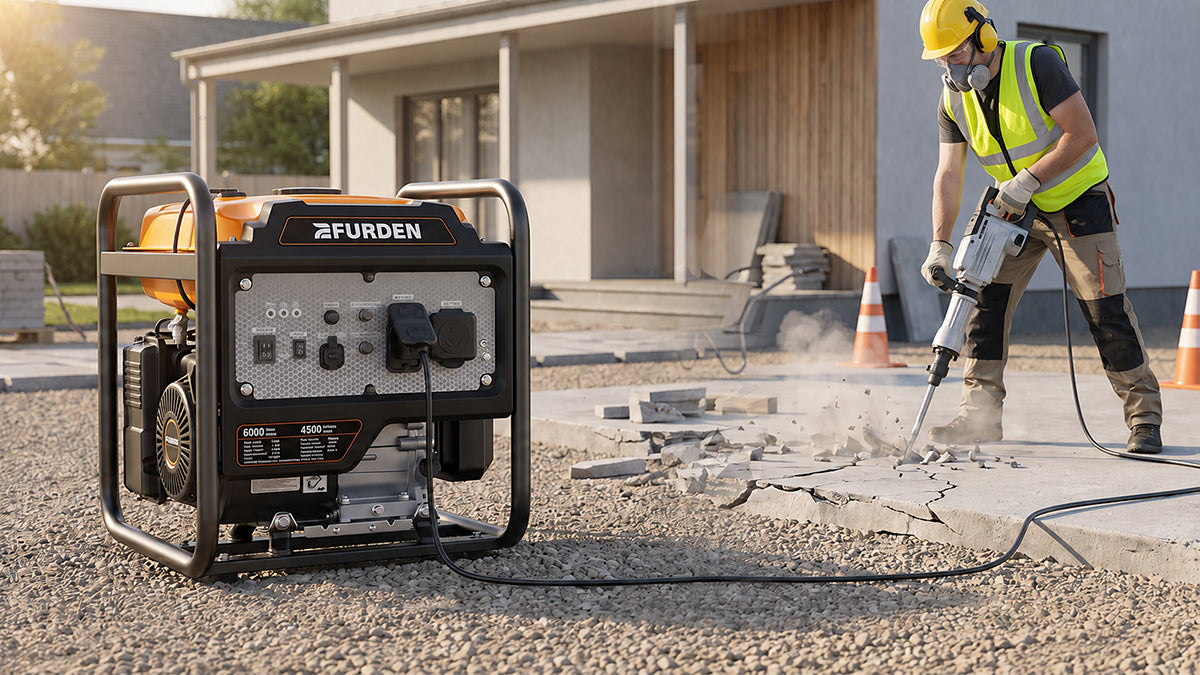
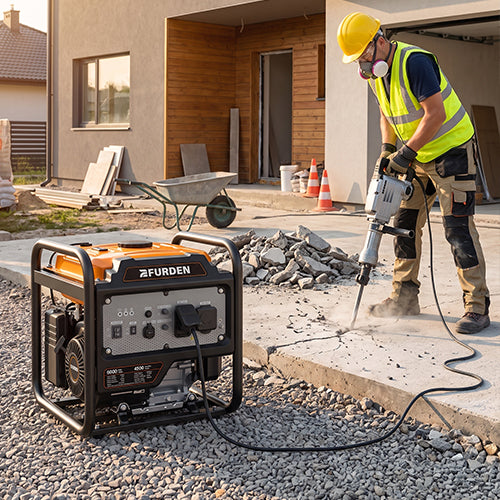
A traditional generator is essentially a simple engine attached to an alternator. It’s a blunt instrument—it runs at a constant 3,600 RPM to maintain a steady 60Hz frequency, regardless of whether you’re charging a phone or running a microwave. This creates "Total Harmonic Distortion" (THD) that can spike up to 25%. This fluctuating, "dirty power" is perfectly fine for basic tools like a circular saw or a floodlight, but it’s a death sentence for anything with a microchip.
The Inverter "Surgeon" (The Smart Choice)
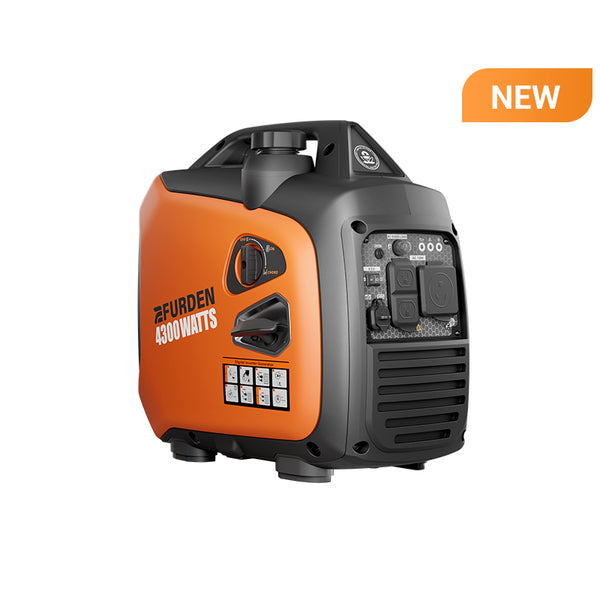
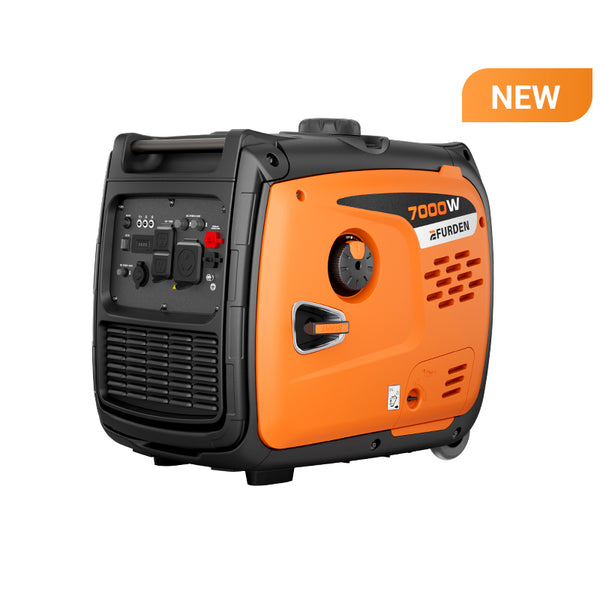
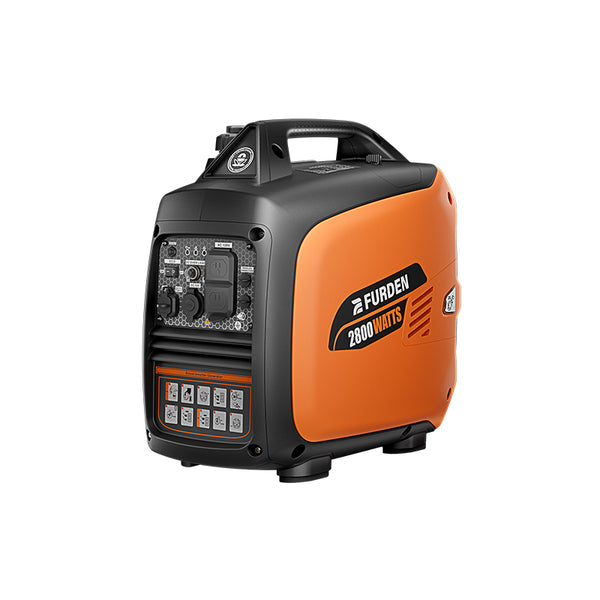
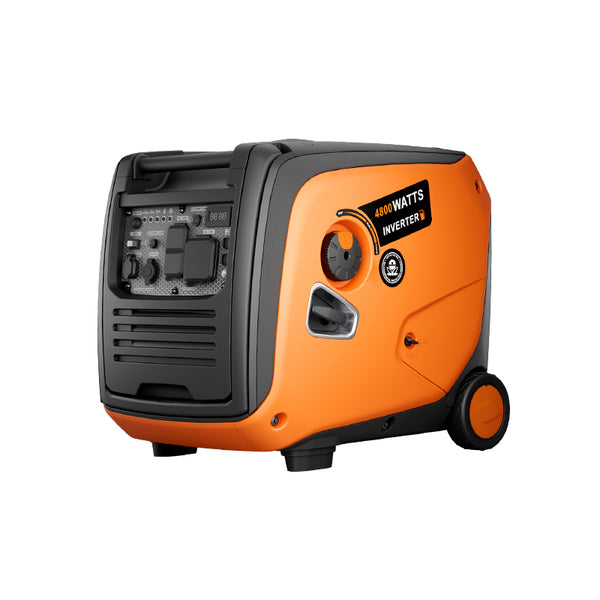
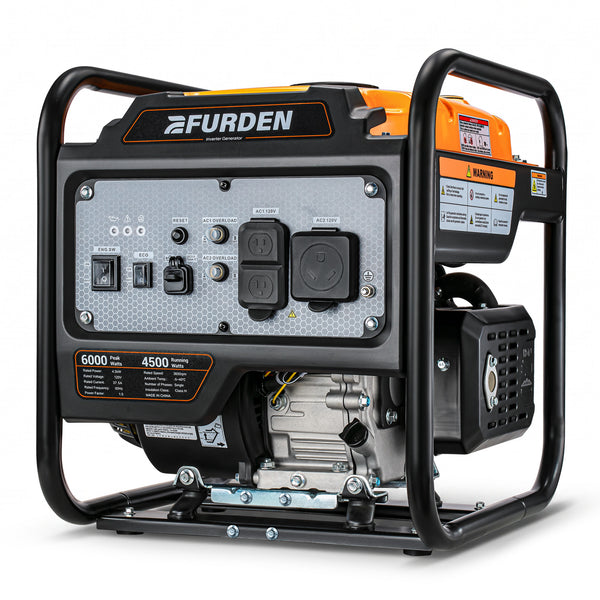
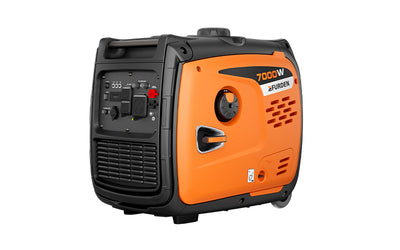
An inverter generator, like the high-efficiency models from Efurden, handles power like a surgeon. It uses a three-stage process:
1.AC Generation: The engine generates raw AC power.
2.DC Conversion: This raw AC is immediately converted into Direct Current (DC).
3.Pure Sine Wave Inversion: The DC is then "cleaned" and inverted back into a perfect, stable AC current.
This process results in a Pure Sine Wave output. This is the gold standard for power quality, with a THD typically less than 3%. For context, the power coming out of your wall outlet is usually around 5% THD. This means an inverter generator provides power that is often cleaner than your utility company.
Inverter vs. Traditional Generator: Key Differences Explained
The differences go far beyond the quality of the power. They impact your wallet, your neighbors, and your peace of mind.
|
Feature
|
Inverter Generator (Efurden Example)
|
Traditional Generator
|
|
Power Quality (THD)
|
< 3% (Pure Sine Wave)
|
10% - 25% (Dirty Power)
|
|
Noise Level
|
50-78 dBA (Conversation/Vacuum)
|
85-100 dBA (Lawnmower/Jackhammer)
|
|
Fuel Efficiency
|
Excellent (Throttle adjusts to load)
|
Poor (Runs at constant 3,600 RPM)
|
|
Weight/Portability
|
Lightweight, suitcase-style design
|
Heavy, wheeled frame required
|
|
Price Point
|
Higher initial cost
|
Lower initial cost
|
|
Best For
|
Home backup, RVs, sensitive electronics
|
Construction sites, basic tools, floodlights
|

Real-World Scenarios: Where Inverters Truly Shine
The inverter generator’s design makes it uniquely suited for three primary use cases where traditional models simply fail to compete.
1. The Home Backup Lifeline
The rise of remote work has made a reliable home office a professional necessity. A power outage is no longer just an inconvenience; it's a threat to your livelihood.
•The Problem: Traditional generators can damag e sensitive office equipment (laptops, monitors, routers) due to high THD.
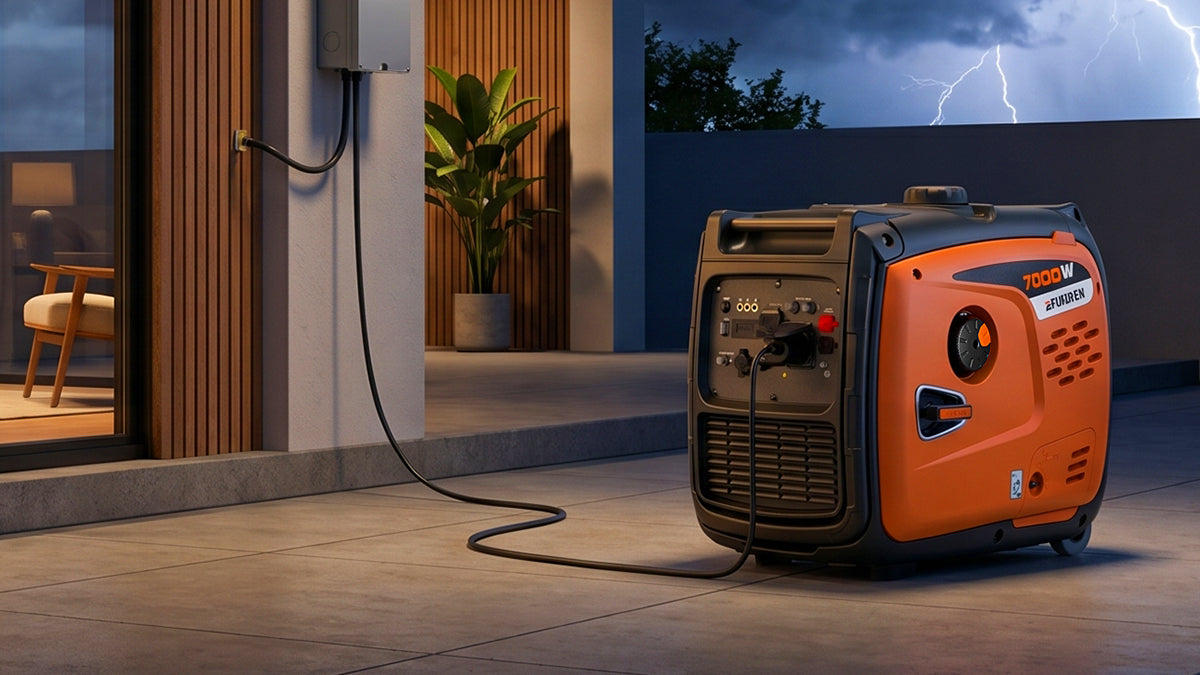
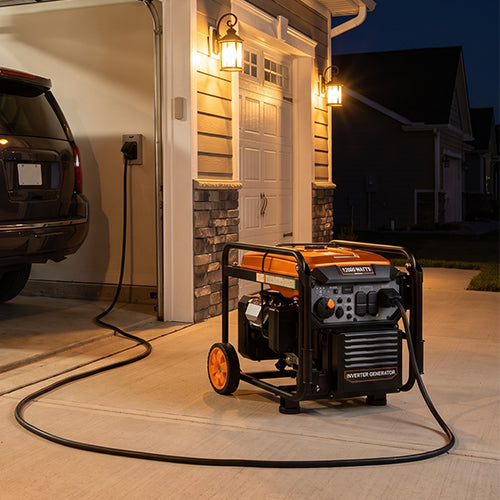
•The Inverter Solution: The Pure Sine Wave output is cleaner than utility power, ensuring your expensive electronics are protected. Furthermore, the fuel efficiency means you can run your essential items for 10-20 hours on a single tank, far longer than most traditional units.
2. RV and Camping Freedom
If you’ve ever been to a quiet campground, you know the rules: no loud generators.
•The Problem: Traditional generators are often banned or restricted to short daytime hours due to their excessive noise (85+ dBA).
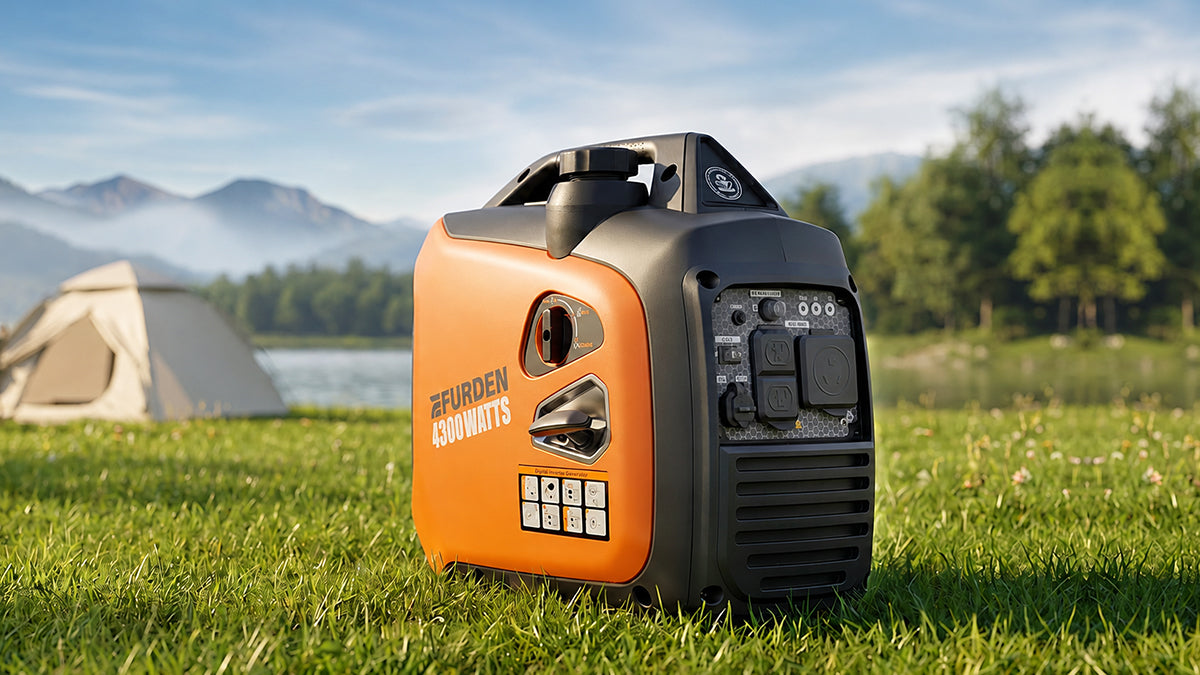
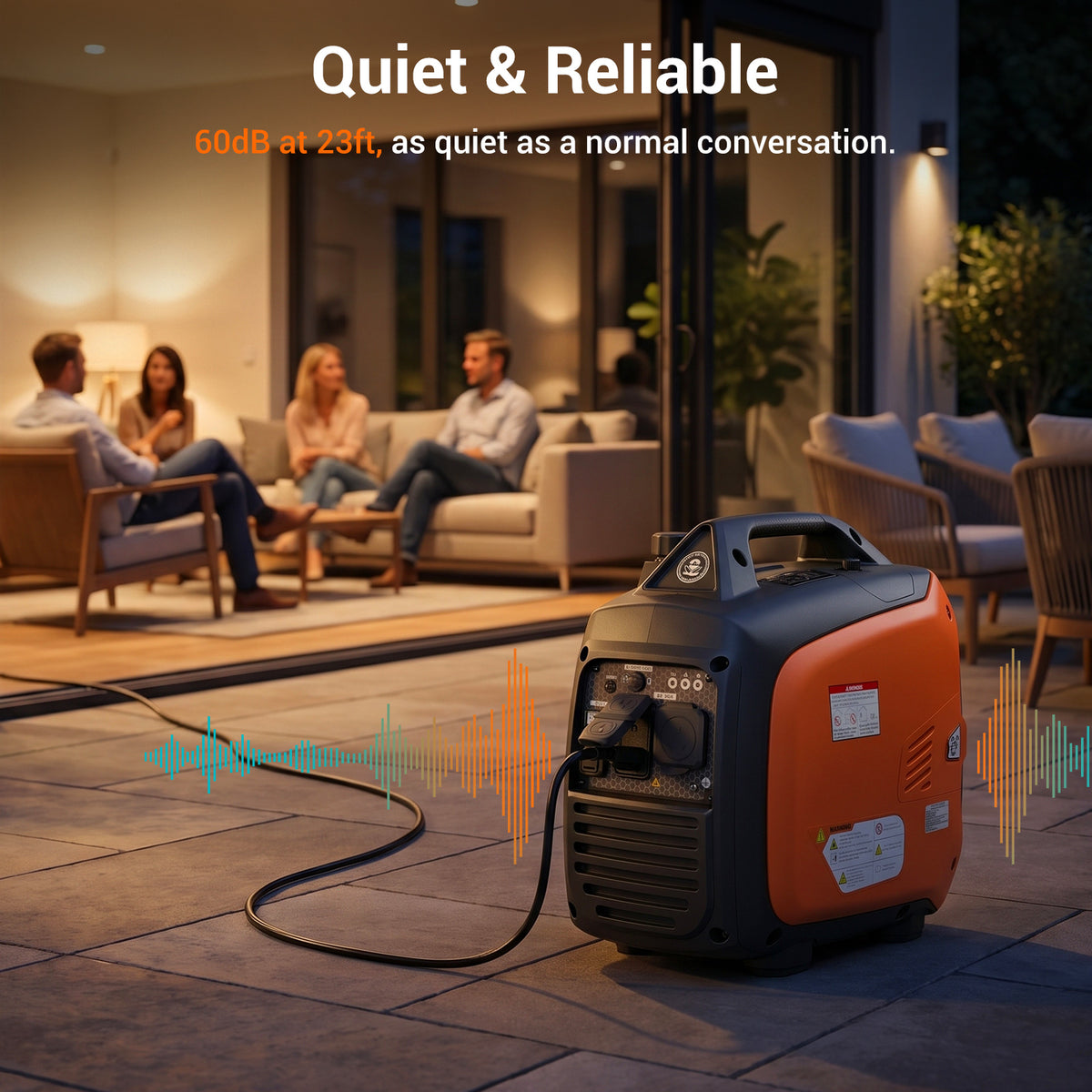
•The Inverter Solution: With noise levels as low as 50-60 dBA, an inverter is quiet enough to run without disturbing your neighbors or violating campground regulations. The compact, suitcase-style design also makes it easy to load and unload from your RV or truck.

3. Parallel Power and Scalability
This is a feature that completely changes the game for homeowners.
•The Problem: If you buy a 4,000W traditional generator and later realize you need 8,000W, you have to sell the old one and buy a massive new unit.
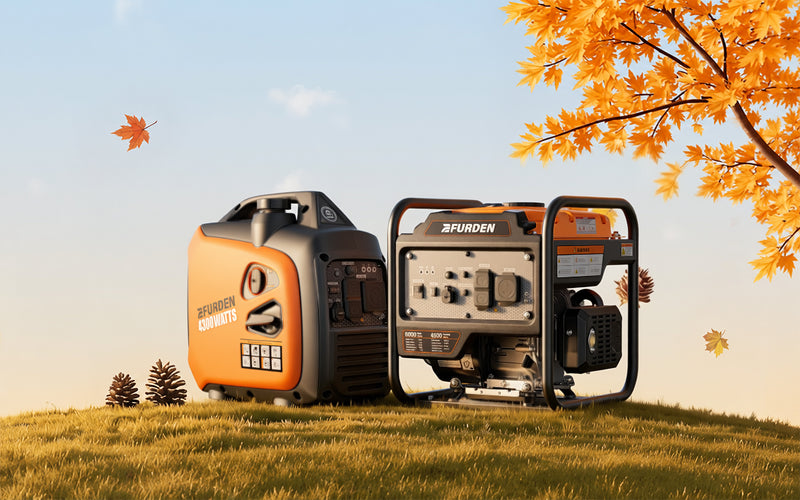
•The Inverter Solution: Most inverters, including the Efurden 4400W model, feature Parallel Capability. This means you can link two smaller units together with a simple cable to double your power output (e.g., two 4400W units combine for 8800W). This offers incredible flexibility and a much easier storage solution than one huge generator.
Making the Decision: A Buyer's Guide
When you're ready to purchase, look beyond the headline wattage number. Focus on these three critical specifications:
1. Total Harmonic Distortion (THD)
This is the single most important factor for protecting your electronics.
•Goal: Look for THD under 5%. Efurden models boast < 3%, which is industry-leading. If a manufacturer doesn't list the THD, assume it's high.
2. Noise Level (dBA)
Noise is measured in decibels (dBA) at a specific distance (usually 23 feet) and load level (usually 25% or 100%).
•Goal: For residential use, aim for 65 dBA or lower. The Efurden 4400W model is rated at 78 dBA at full load, which is significantly quieter than a traditional generator's 90+ dBA roar.
3. Runtime
This tells you how long the generator will run on a single tank of fuel at a specific load.
•Goal: Look for a runtime of 8 hours or more at 50% load. The longer the runtime, the less often you have to refuel during a long outage.
Frequently Asked Questions (FAQ)
Can I use an inverter generator to power my central AC unit?
It depends entirely on the size of your AC unit and the generator's peak wattage. A typical 3-ton central AC unit requires 3,000-5,000 Starting Watts. You would need a large inverter (8,000W+) or two smaller inverters linked in parallel to handle that initial surge. Always check your AC unit's specific requirements.
Is the power from an inverter generator safe for my medical equipment (like a CPAP)?
Yes, absolutely. This is one of the primary reasons to choose an inverter. The Pure Sine Wave output with low THD (< 3%) is essential for sensitive medical devices, ensuring they function correctly and are not damaged by power fluctuations.
Do I need to break in a new inverter generator?
Yes. Most manufacturers recommend a short break-in period (usually 5-10 hours) running at varying loads. This allows the engine components to seat properly. After the break-in, you should change the oil.
Can I run my inverter generator in the rain?
No. Never expose any generator to direct rain or wet conditions. All generators produce carbon monoxide (CO). Always operate them outdoors, under a protective canopy or cover, and at least 20 feet away from any windows or doors.
Why are inverter generators more expensive?
The higher cost is due to the advanced technology: the sophisticated three-stage power conversion process, the variable speed engine, and the specialized components required to produce the Pure Sine Wave output. You are paying for superior power quality, quiet operation, and fuel savings.
Final Verdict: Investing in Quality Power
The choice between an inverter and a traditional generator boils down to a simple question: What are you trying to protect?
If your goal is to power a construction site or a single, non-sensitive appliance, the traditional generator is a budget-friendly option. But if you are a homeowner, an RV enthusiast, or anyone who relies on modern electronics, the inverter generator is the only sensible choice.
It’s an investment that pays for itself in fuel savings, the avoidance of costly electronic repairs, and, most importantly, the quiet peace of mind during the next power outage. Don't just buy watts; buy quality power.

1 comment
Apparently. The biggest downside to these Efurden inverter generators. Is obtaining a SIMPLE part.
The IGNITION coil. After 1100 hrs of use. EDOG04 needs a replacement IGNITION coil.
Ebay/Temu/Amazon/AliExpress not available. Maybe Tabao ? But I cannot read or write Mandarin.
The next biggest downside is Efurden customer service. NON EXIST ANT. Confirmed by Google,Brave,Bing AI search.
“Quality Power” but no QUALITY after purchase SERVICE !