







Is a 4400W Inverter Generator Enough? Complete Guide for Every Use Case
23 Dec 2025
0 Comments
Introduction: One Generator, Endless Possibilities
A 4400W inverter generator isn't just for emergencies. It's a versatile power solution that works in multiple scenarios:
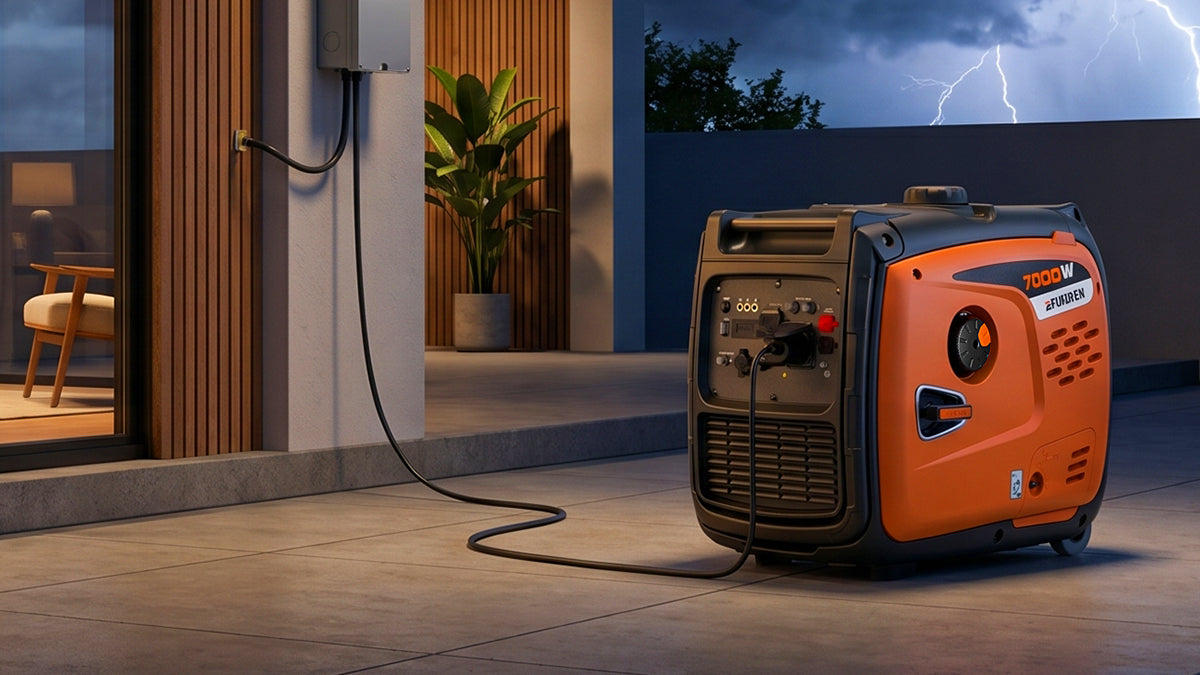
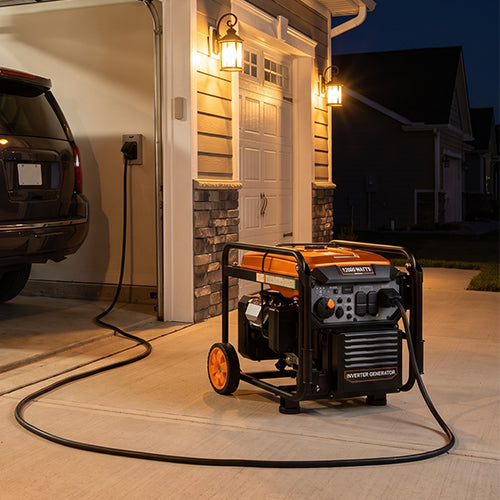
•Home Emergency Backup: Power essential appliances during outages
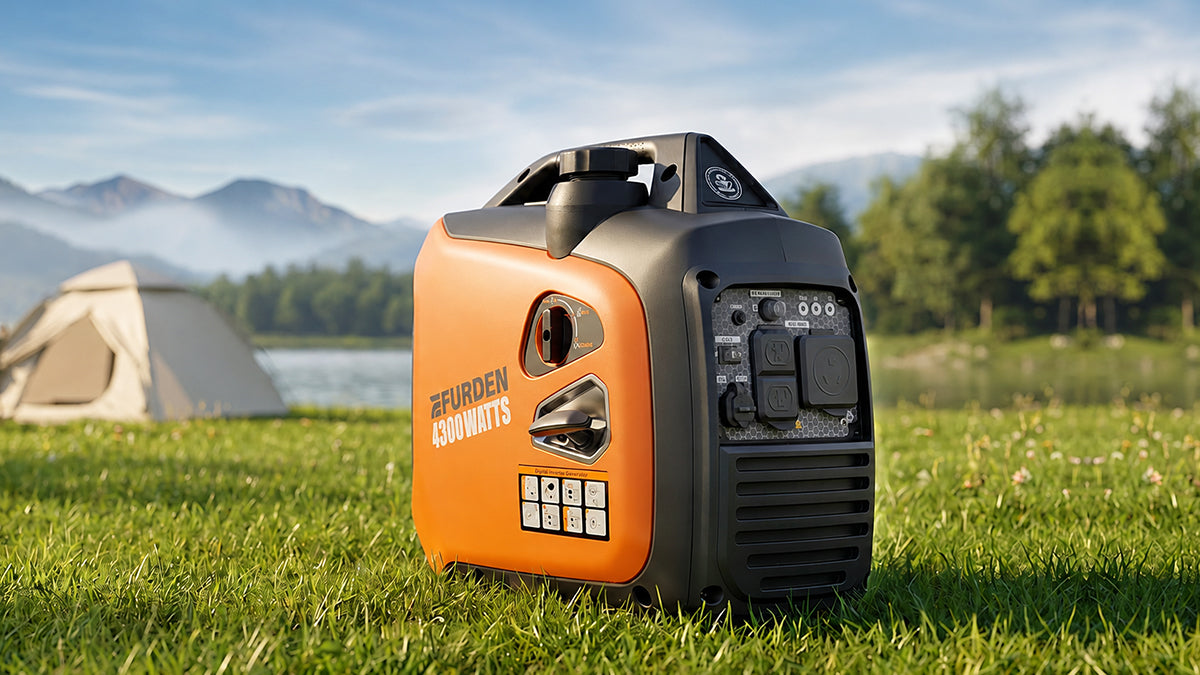
•RV & Camping: Run your rig's appliances and comfort systems
•Outdoor Events: Tailgating, backyard parties, outdoor gatherings
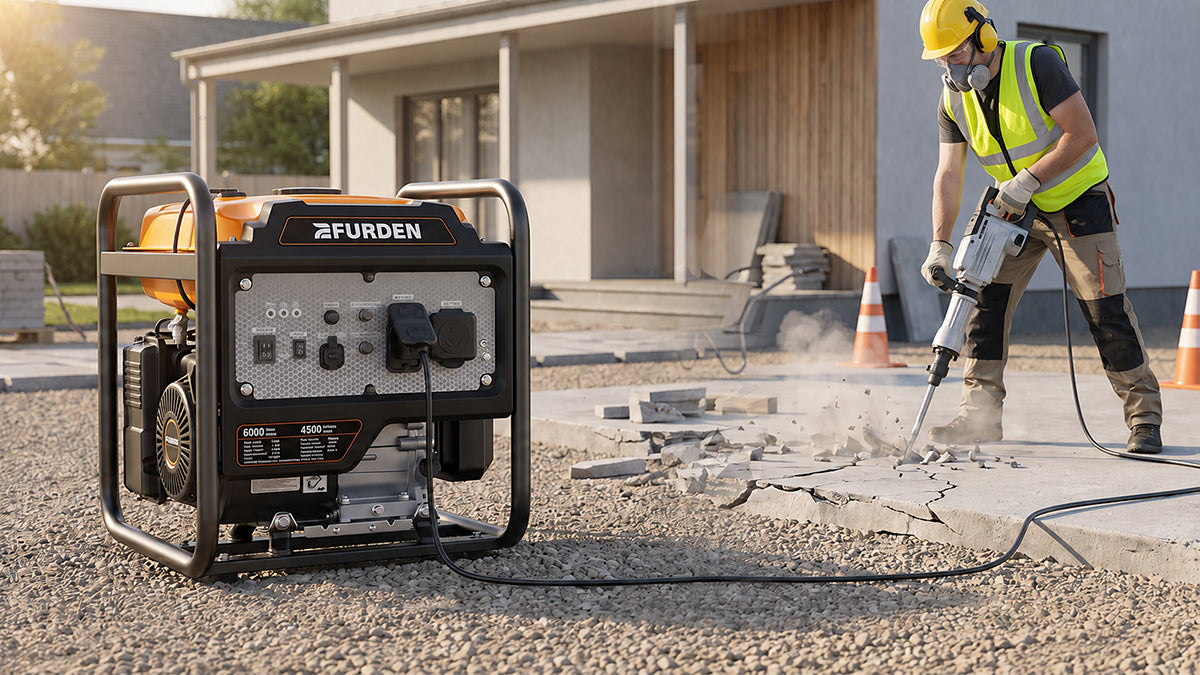
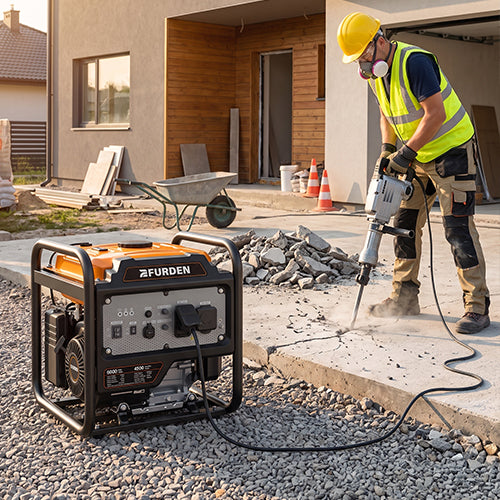
•Job Sites: Power tools and equipment for small projects
•Off-Grid Living: Temporary or supplemental power for cabins and remote locations
The question isn't just "Is 4400W enough?" but rather "Is 4400W enough for my specific use case?"
In this guide, I'll break down exactly what a 4400W inverter generator can do across all these scenarios, so you can make an informed decision.
Understanding Your 4400W Generator: Peak vs. Running Power
Before we dive into specific applications, let's clarify the two power ratings that often confuse buyers.
Your 4400W inverter generator has two power specifications:
•Peak Power (Starting Watts): 4400W - Maximum power available for 3-5 seconds when devices first start. Motors and compressors require a startup surge.
•Running Power (Continuous Watts): 3800W - Sustained power the generator can deliver continuously. Use this number for planning.
Why this matters: A refrigerator might need 2000W to start but only 600W to run. If you start it while other appliances are running, you might exceed the 4400W peak and trigger overload protection.
Practical takeaway: Your 4400W generator is really a 3800W continuous power source for real-world use.
What Can a 4400W Generator Power? Complete Breakdown
Essential Appliances (Low Power - Easy to Run)
|
Appliance
|
Running Watts
|
Peak Watts
|
Notes
|
|
LED Light Bulbs (10 bulbs)
|
100-150
|
100-150
|
Very efficient
|
|
Laptop/Computer
|
50-150
|
50-150
|
Safe for sensitive electronics
|
|
Phone Chargers (multiple)
|
30-50
|
30-50
|
Minimal power consumption
|
|
TV (LED, 55")
|
100-200
|
150-250
|
Safe for most models
|
|
WiFi Router
|
10-20
|
10-20
|
Essential for connectivity
|
|
Refrigerator
|
600-800
|
1500-2000
|
Highest peak demand at startup
|
|
Microwave
|
1000-1500
|
1000-1500
|
High continuous power
|
|
Coffee Maker
|
800-1200
|
800-1200
|
Moderate power draw
|
|
RV Water Heater (electric)
|
1000-1500
|
1000-1500
|
Common in RVs
|
|
RV AC Unit (13,500 BTU)
|
1200-1500
|
2500-3500
|
Startup surge is significant
|
Medium-Power Appliances (Moderate Caution Required)
|
Appliance
|
Running Watts
|
Peak Watts
|
Notes
|
|
Window AC Unit (5,000 BTU)
|
500-700
|
1500-2000
|
Startup surge is significant
|
|
Portable AC Unit
|
900-1200
|
1200-1500
|
More efficient than window units
|
|
Electric Water Heater
|
4000-5000
|
4000-5000
|
Cannot power - exceeds capacity
|
|
Electric Oven
|
2000-5000
|
2000-5000
|
Cannot power - exceeds capacity
|
|
Dishwasher
|
1800-2400
|
2000-2500
|
Possible but risky if other devices running
|
|
Washing Machine
|
500-2000
|
2000-3000
|
Depends on cycle; startup surge is high
|
|
Electric Dryer
|
3000-6000
|
3000-6000
|
Cannot power - exceeds capacity
|
|
RV Slide-Out Motor
|
500-1000
|
1000-2000
|
Startup surge varies by model
|
High-Power Appliances (Not Recommended)
|
Appliance
|
Running Watts
|
Peak Watts
|
Notes
|
|
Central AC Unit
|
3500-5000
|
5000-8000
|
Cannot power - exceeds capacity
|
|
Electric Furnace
|
5000-15000
|
5000-15000
|
Cannot power - exceeds capacity
|
|
Electric Heater
|
1500-5000
|
1500-5000
|
Only small portable heaters (1500W)
|
|
Hot Tub
|
5000-10000
|
5000-10000
|
Cannot power - exceeds capacity
|
|
Pool Pump
|
1000-3000
|
2000-4000
|
Depends on size; startup surge is critical
|
Real-World Scenarios: What Can You Power?
Scenario 1: Home Emergency Backup (Essential Survival)
Total Running Power: ~2,200W
•Refrigerator: 800W
•Lights (LED): 150W
•TV: 150W
•WiFi Router: 20W
•Phone Chargers: 30W
•Microwave (when needed): 1,000W (intermittent)
Verdict: ✅ Easily manageable. You have 1,600W of headroom. The microwave can run without issues because you're not running the refrigerator and microwave simultaneously at full power.
Runtime: At this 25% load with ECO mode enabled, expect approximately 12-14 hours on a 2-gallon fuel tank.

Scenario 2: RV Camping Trip (Comfort + Power)
Total Running Power: ~2,500W
•RV AC Unit: 1,200W
•Refrigerator (RV): 600W
•Microwave: 1,000W (intermittent)
•LED Lights: 100W
•Phone Chargers: 20W
Verdict: ✅ Good option. You're using 2,500W continuously, leaving 1,300W of headroom. The AC unit and refrigerator can run together comfortably. When you need the microwave, turn off the AC temporarily.
Runtime: At approximately 65% load, expect 5-7 hours on a full tank. Plan for refueling during longer trips.
Pro tip: Many RV owners run the AC during the day for comfort, then switch to a portable fan at night to conserve fuel.

Scenario 3: Tailgating & Outdoor Events
Total Running Power: ~1,800W
•Portable Cooler (electric): 400W
•LED Lighting Setup: 200W
•TV/Projector: 200W
•Sound System: 300W
•Phone Chargers: 50W
•Coffee Maker (intermittent): 1,000W
Verdict: ✅ Perfect fit. You have 2,000W of headroom. This is an ideal use case for a 4400W generator. You can run all entertainment and comfort items without worry.
Runtime: At approximately 47% load, expect 8-10 hours on a full tank.
Advantage: The quiet operation (78 dBA) means you won't disturb neighbors or other tailgaters.

Scenario 4: Off-Grid Cabin or Remote Location
Total Running Power: ~2,000W
•Refrigerator: 800W
•Lights (LED): 150W
•Water Pump: 500W
•Space Heater (small): 750W
•Phone Chargers: 20W
•Laptop/Work Equipment: 100W
Verdict: ✅ Adequate for supplemental power. This setup works well for temporary off-grid stays or as supplemental power for a cabin. You have 1,800W of headroom.
Runtime: At approximately 53% load, expect 6-8 hours on a full tank. Plan for multiple refueling cycles during extended stays.
Note: For permanent off-grid living, consider solar panels or multiple generators for redundancy.

Scenario 5: Full Home Backup (Not Recommended)
Attempting to power:
•Central AC: 4,000W
•Electric Water Heater: 4,500W
•Electric Oven: 3,000W
Verdict: ❌ Impossible. Even one of these appliances exceeds your generator's capacity. A 4400W generator cannot power a typical home's full electrical load.
The Efurden 4400W Inverter Generator: Why It's Ideal for Multiple Uses

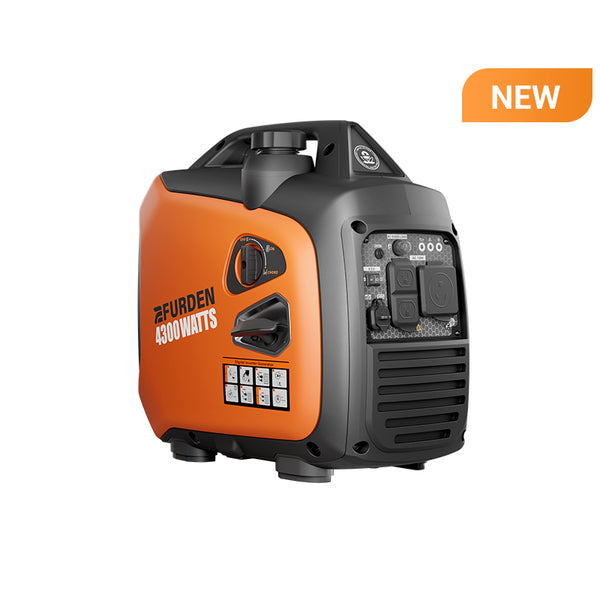
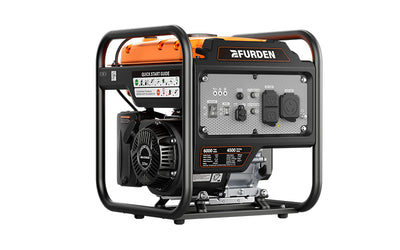
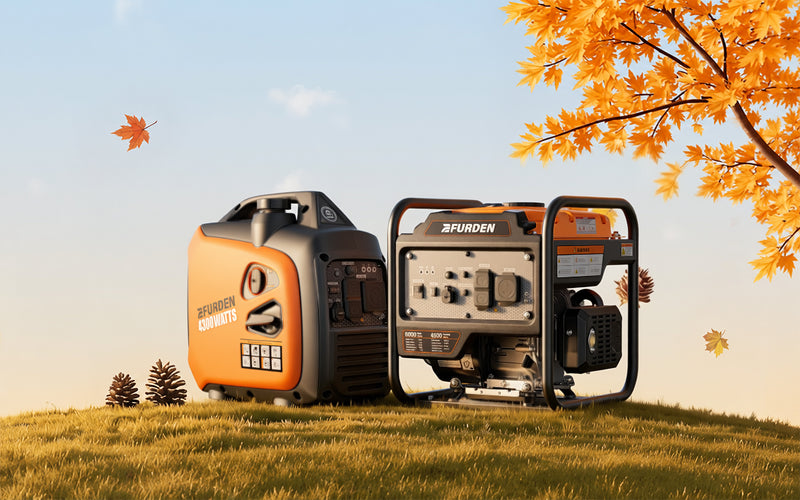
After analyzing what a 4400W generator can do across different scenarios, here's why the Efurden 4400W Portable Inverter Generator is perfect for versatile use:
1. Versatile Power for Multiple Applications
Whether you're powering a home during an outage, running an RV, or tailgating with friends, the 3800W running power handles most common appliances reliably.
2. Fuel Efficiency Means Extended Runtime
The ECO mode automatically adjusts engine speed based on power demand. At 25% load, the Efurden 4400W runs for up to 14 hours on a single 2-gallon fuel tank.
Real-world examples:
•Home backup at 25% load: 12-14 hours
•RV camping at 65% load: 5-7 hours
•Tailgating at 47% load: 8-10 hours
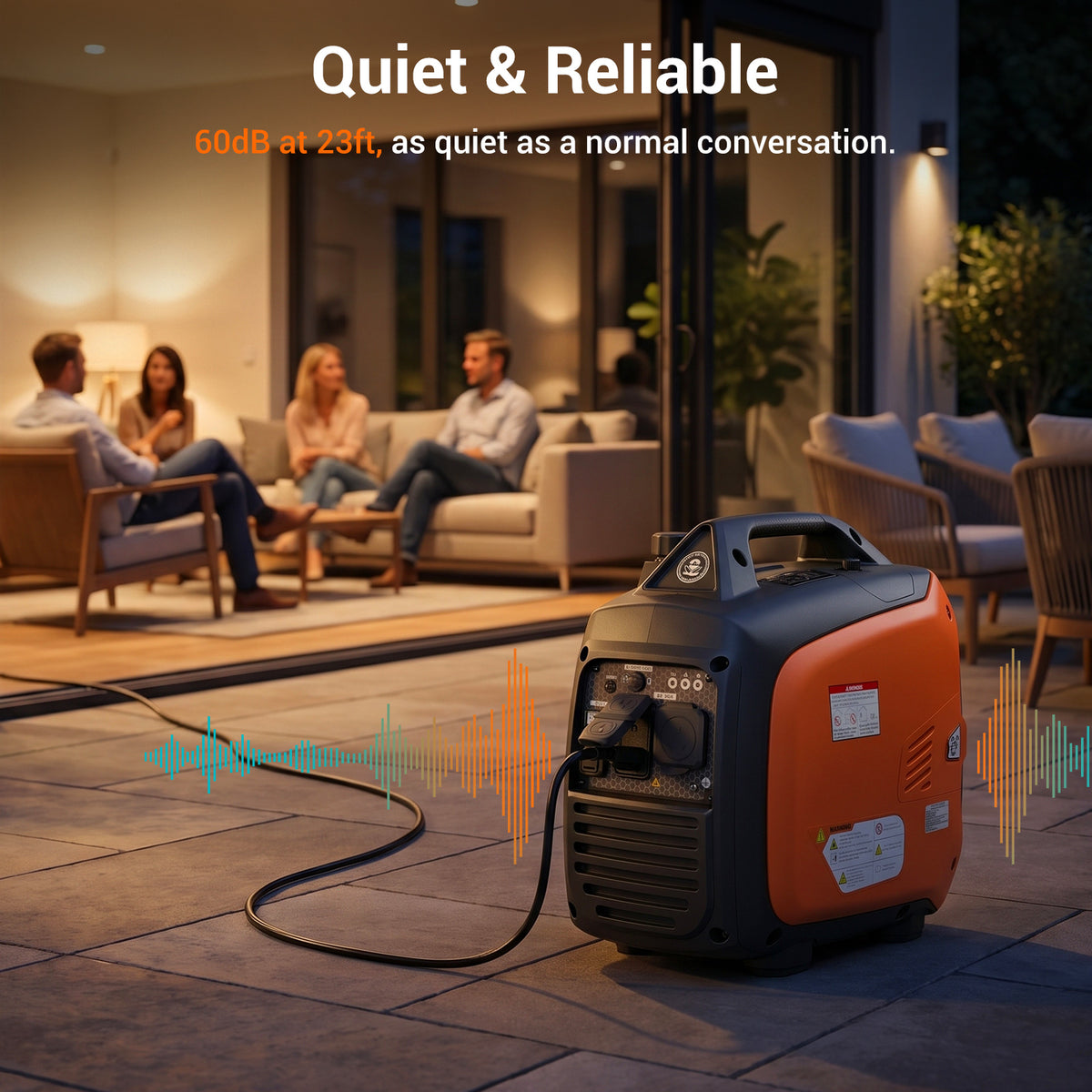
3. Whisper-Quiet Operation (78 dBA)
At 78 dBA at full load, the Efurden 4400W is significantly quieter than traditional generators. This matters for:
•RV Camping: Enjoy nature without disturbing other campers
•Tailgating: Have conversations without shouting
•Home Backup: Sleep peacefully during outages
•Outdoor Events: Entertain guests without excessive noise
4. Clean Power for Sensitive Electronics
The inverter technology produces clean, stable power (THD <3%) safe for:
•Medical devices (CPAP machines, oxygen concentrators)
•Computer equipment and servers
•Smart home systems
•Phone and laptop chargers
•Gaming consoles
•RV electronics and appliances
5. Portable Design (56 lbs)
Weighing only 56 pounds with a compact footprint, the Efurden 4400W is:
•Easy to transport in RVs and vehicles
•Simple to store in garages or sheds
•Manageable for one person to move
•Ideal for camping trips and outdoor events
6. Parallel Capability for Future Expansion
Need more power? Connect two Efurden 4400W units together using a parallel cable kit to effectively double your power to 8000W. This gives you flexibility without replacing your generator.

Decision Matrix: Is 4400W Right for Your Use Case?
✅ A 4400W Generator IS Enough If:
Home Use:
•You want to power essential appliances during an outage (refrigerator, lights, TV, charging devices)
•You have a backup plan for high-power appliances (separate generator or manual shutdown)
•You prioritize portability and quiet operation
RV & Camping:
•You want to run your RV's AC and refrigerator simultaneously
•You're willing to manage power usage (not running multiple high-power devices simultaneously)
•You want quiet operation for campground use
•You need fuel efficiency for extended trips
Outdoor Events:
•You're powering entertainment systems (TV, projector, sound system)
•You need to run coolers and lighting
•You want quiet operation for residential areas
•You're tailgating or hosting backyard events
Off-Grid Living:
•You need supplemental power for a cabin or remote location
•You're combining it with solar panels or other power sources
•You're using it for temporary stays rather than permanent power
❌ A 4400W Generator Is NOT Enough If:
•You need to power central AC, electric furnace, or electric water heater
•You want to run your entire home during an outage (unrealistic for most homes)
•You need to power high-demand tools or equipment simultaneously
•You have large electric appliances (electric dryer, electric oven, hot tub)
•You want "set it and forget it" power without managing consumption
•You're powering an RV with a large AC unit and multiple high-power appliances simultaneously
Practical Tips for Maximizing Your 4400W Generator
1. Prioritize Your Appliances
Create a priority list based on your use case:
Home Backup:
•Tier 1: Refrigerator, lights, WiFi router, medical devices
•Tier 2: TV, microwave, coffee maker
•Tier 3: AC unit, electric heater, dishwasher
RV Camping:
•Tier 1: Refrigerator, water pump, essential lights
•Tier 2: AC unit, water heater
•Tier 3: Microwave, entertainment systems
Tailgating:
•Tier 1: Cooler, lighting
•Tier 2: TV/projector, sound system
•Tier 3: Coffee maker, additional entertainment
2. Avoid Starting Multiple High-Power Devices Simultaneously
Don't start your refrigerator and microwave at the same time. The combined startup surge could exceed your generator's capacity. Start them sequentially with 30 seconds between each.
3. Use ECO Mode
Enable ECO mode when running low-power appliances. This reduces fuel consumption and extends runtime significantly—often by 50% or more.
4. Monitor Your Load
Be aware of your power consumption. If you're running the refrigerator and several lights (1,000W), you have about 2,800W of available power left. Don't exceed this.
5. Invest in a Parallel Cable Kit
For about $100-150, you can purchase a parallel cable kit that lets you connect two generators. This is far cheaper than buying a larger generator and gives you flexibility for future needs.
Common Questions About 4400W Generators
"Can I run my RV's AC unit on a 4400W generator?"
Yes, but with limitations. Most RV AC units require 1,200-1,500W to run, with startup surges of 2,500-3,500W. A 4400W generator can handle this, but you'll need to manage other appliances. Don't run the AC and microwave simultaneously. Many RV owners run the AC during the day and switch to a fan at night to conserve fuel.
"Can I run my home's AC on a 4400W generator?"
No, not reliably. Most home AC units require 3,500-5,000W to run, with startup surges of 5,000-8,000W. A 4400W generator cannot handle this safely. You'd risk damaging the generator or triggering overload protection.
"Can I run a microwave and refrigerator at the same time?"
Yes, but carefully. The refrigerator runs at ~800W continuously. A microwave at full power uses 1,000-1,500W. Combined, that's 1,800-2,300W—well within your 3,800W running capacity. However, if the refrigerator compressor starts (2,000W surge) while the microwave is running, you might hit 3,000W+ and risk overload. Stagger their use when possible.
"How long will it run on a full tank?"
At 25% load (typical household usage), the Efurden 4400W runs for approximately 14 hours on a 2-gallon tank. At 50% load, expect 7-8 hours. At 100% load, expect 4-5 hours. These estimates assume ECO mode is enabled.
"Is it safe for my laptop and phone chargers?"
Absolutely. The inverter technology produces clean power (THD <3%) that's actually safer than many wall outlets. Thousands of people use these generators to power sensitive electronics without issues. This is especially important for RV electronics and appliances.
"Can I use it for camping without disturbing other campers?"
Yes. At 78 dBA, the Efurden 4400W is significantly quieter than traditional generators. Most campgrounds allow operation during daylight hours. The quiet operation means you can run it without complaints from neighboring campsites.
The Bottom Line: Is 4400W Enough?
For emergency backup power and essential appliances: Yes, 4400W is enough.
For RV camping and outdoor events: Yes, 4400W is ideal.
For off-grid supplemental power: Yes, 4400W works well.
For powering your entire home: No, it's not realistic.
The truth is, a 4400W generator is perfect for most real-world scenarios. It's powerful enough to handle essential appliances, efficient enough to run for extended periods, quiet enough for residential and campground use, and portable enough to take anywhere.
The Efurden 4400W Portable Inverter Generator is specifically engineered for this versatility. With its 3800W running power, fuel-efficient ECO mode, whisper-quiet operation, and clean power output, it's the ideal choice for homeowners, RV enthusiasts, campers, and outdoor adventurers.
Real Customer Scenarios
Sarah's Home Emergency Story
"When the hurricane knocked out power for 3 days, my Efurden 4400W kept our refrigerator running, powered our lights, and let us charge our phones. We never worried about power management—it just worked. The quiet operation meant we could actually sleep through the night without the noise keeping us awake."
Mike's RV Adventure
"We take our RV camping every month, and the Efurden 4400W is perfect. We can run the AC during the day, the refrigerator all the time, and still have power for the microwave when we need it. On a full tank with ECO mode, we get through a full weekend without refueling."
The Johnson Family's Tailgate Party
"We tailgate for every home game, and the Efurden 4400W powers our TV, sound system, cooler, and lighting. Nobody even notices it's running—it's so quiet. Best investment we made for game day."
Final Recommendation
If you're considering a 4400W generator for any of these use cases, we recommend the Efurden 4400W Portable Inverter Generator. It offers:
•✅ 3800W continuous power for reliable operation
•✅ Up to 14 hours runtime at 25% load
•✅ 78 dBA noise level (quiet for all applications)
•✅ Clean power (THD <3%) safe for sensitive electronics
•✅ Parallel capability for future expansion
•✅ 2-year warranty and 24/7 customer support
•✅ Competitive pricing at $319.99
Whether you're preparing for emergencies, planning an RV adventure, hosting outdoor events, or seeking off-grid power, the Efurden 4400W delivers the versatility, reliability, and performance you need.