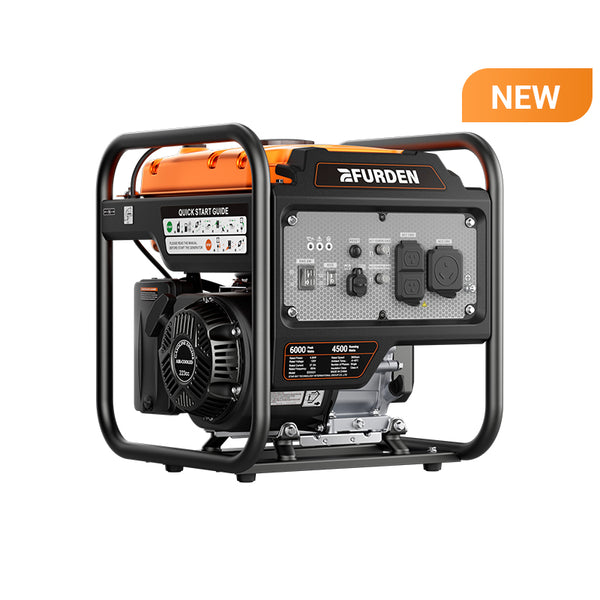
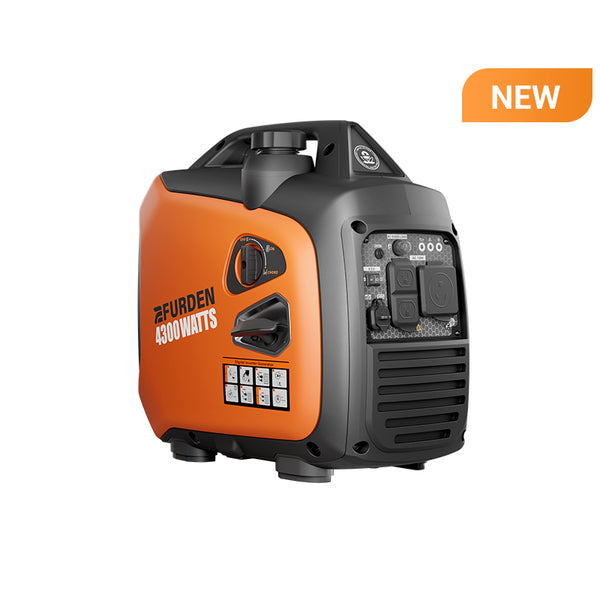
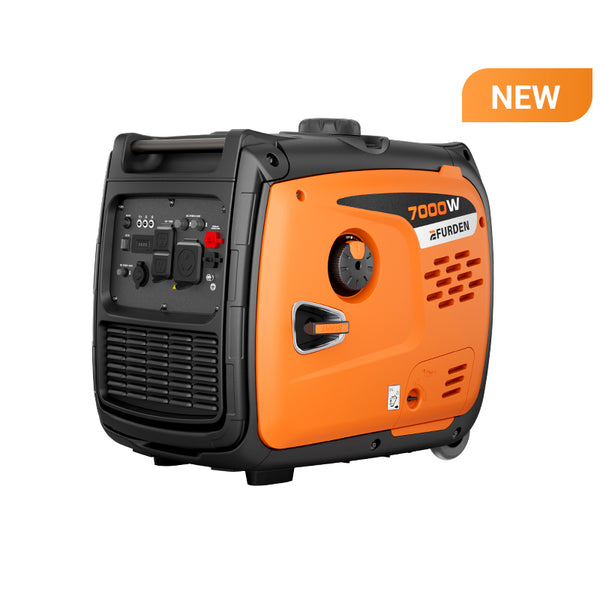
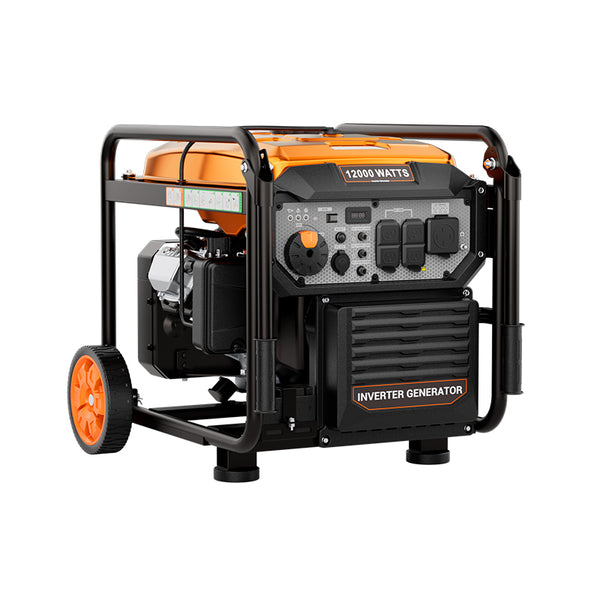








What Is an Inverter Generator? Why More Homeowners Are Choosing It for Backup Power
16 Dec 2025
0 Comments
Introduction: The Day the Power Went Out
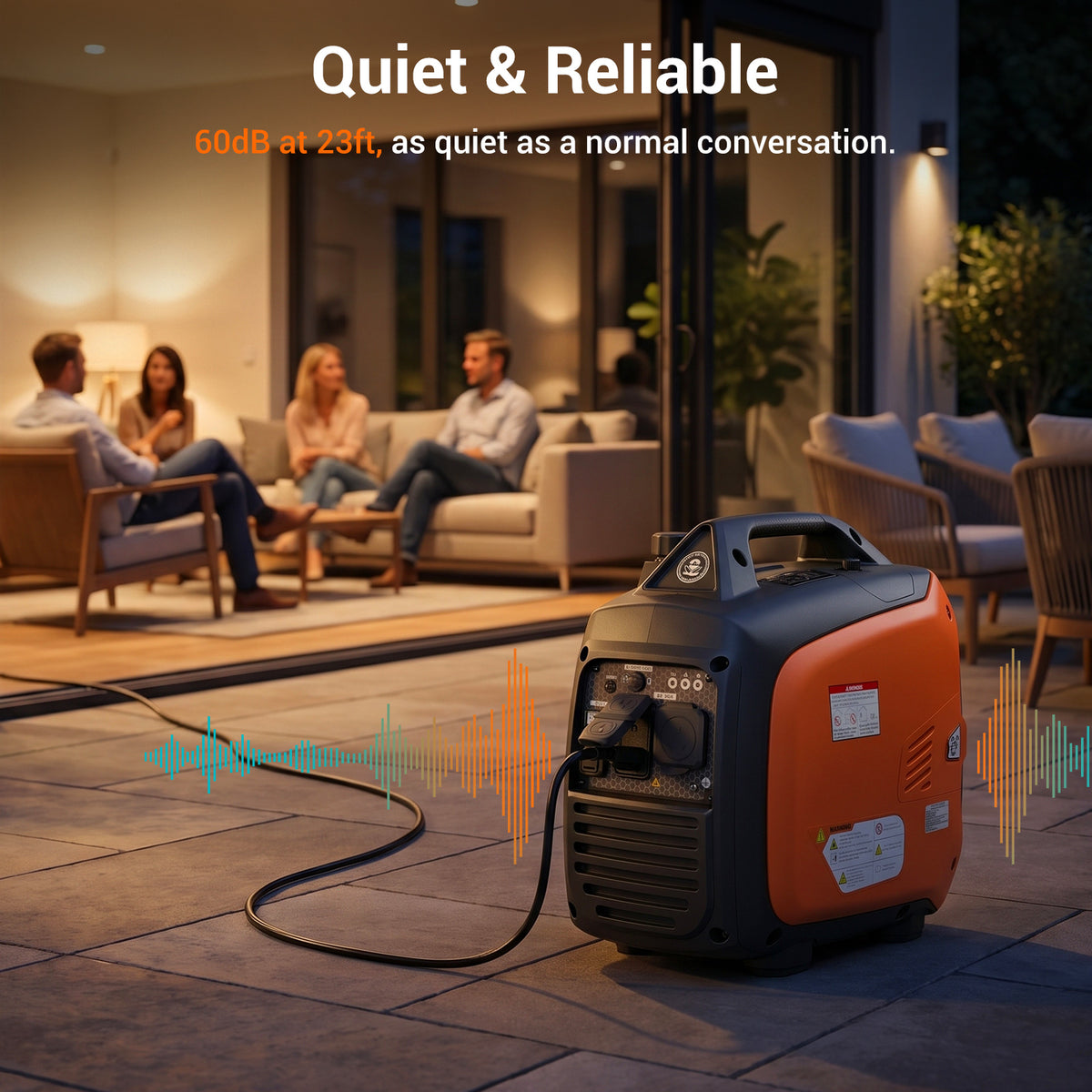
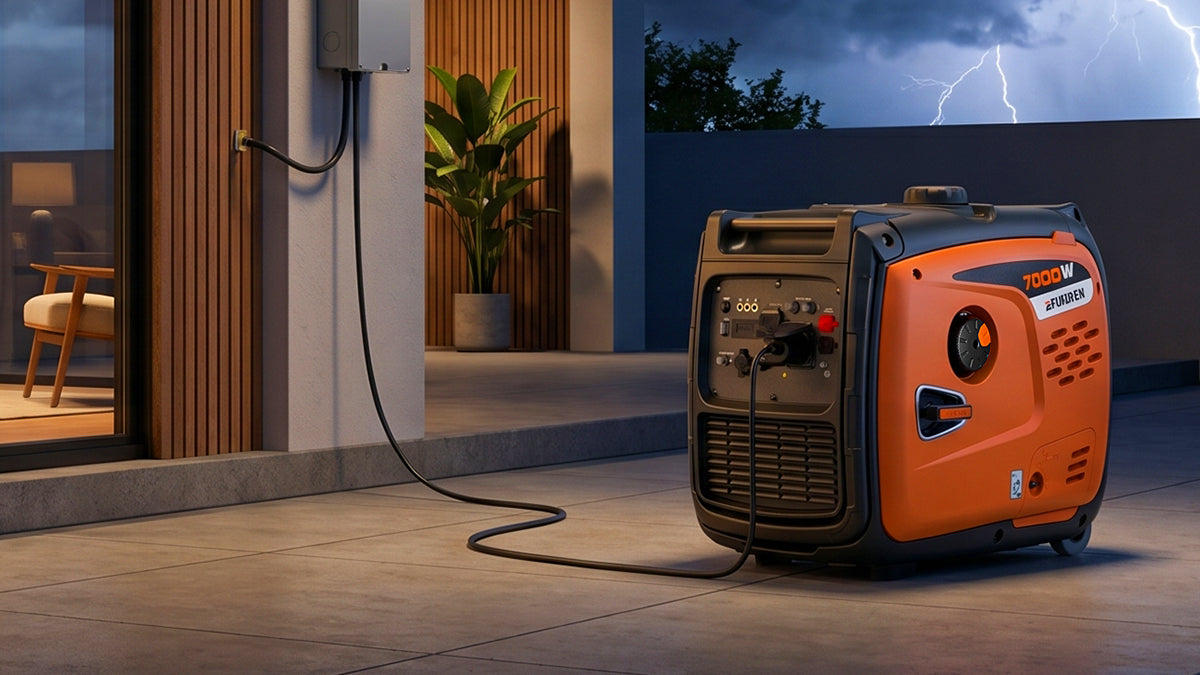
I still remember that Tuesday afternoon when the storm hit. Lightning split the night sky, and within seconds, our power went out. My neighbor had bought a traditional generator, and he started it up—the noise was deafening, like a drill running in the garage. My other neighbor, Sarah, started her inverter generator. I could barely hear it from 22 feet (about 6.7 meters) away.
That's when I realized: Not all generators are created equal.
Today, I'll explain what an inverter generator is, including how they work, why they're becoming the top choice for millions of homeowners, and why they might be the best option for you.
What Exactly Is an Inverter Generator?
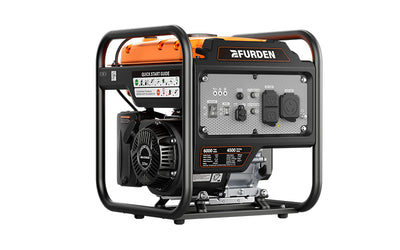
Let's start with the basics. Traditional generators produce electricity by rotating magnets within coils. This directly generates alternating current (AC)—the type of power supplied by your wall outlets.
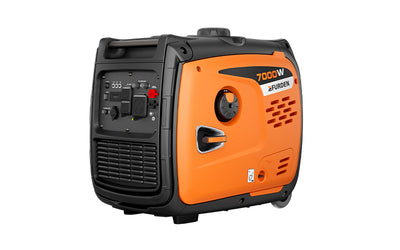
An inverter generator works differently. It first produces AC, then converts it to DC, and finally converts it back to AC. This extra step might sound complicated, but its significance lies in the exceptionally pure and stable electricity it produces.
Think of it like the difference between drinking river water straight from the source and drinking filtered, purified water. Both are water, but one is far safer for delicate electronic equipment.
An inverter generator works differently. It first produces AC, then converts it to DC, and finally converts it back to AC. This extra step might sound complicated, but its significance lies in the exceptionally pure and stable electricity it produces.
Think of it like the difference between drinking river water straight from the source and drinking filtered, purified water. Both are water, but one is far safer for delicate electronic equipment.
The Three-Step Process
1.Generation: The engine spins, creating raw AC power
2.Conversion: The inverter converts AC to DC
3.Inversion: The inverter converts DC back to AC—but this time, it's perfectly smooth and stable
This process happens thousands of times per second, resulting in power that's safe for your laptop, smartphone, and other sensitive devices.

Why Are Inverter Generators Gaining Popularity?
The data speaks for itself. Over the past five years, sales of inverter generators have surged significantly. Here's why:
Clean Power for Sensitive Electronics
This is its biggest advantage. Traditional generators can damage precision electronics due to power fluctuations. Inverter generators produce total harmonic distortion (THD) below 3%, making them safe for everything from phone chargers and laptops to medical devices.
For example: During extended power outages, homeowners using conventional generators often report damaged appliances and electronics. Homeowners using inverter generators? No damage whatsoever.
This is especially critical for:
Medical devices (CPAP machines, oxygen concentrators)
Computer equipment and servers
Smart home systems
Gaming consoles
Mobile phone and laptop chargers
For example: During extended power outages, homeowners using conventional generators often report damaged appliances and electronics. Homeowners using inverter generators? No damage whatsoever.
This is especially critical for:
Medical devices (CPAP machines, oxygen concentrators)
Computer equipment and servers
Smart home systems
Gaming consoles
Mobile phone and laptop chargers
Fuel Efficiency
Inverter generators offer significantly higher fuel efficiency than traditional generators, providing longer runtime on the same amount of fuel—especially during partial load operation. Most inverter generators feature an ECO energy-saving mode that automatically adjusts engine speed based on power demand.
The practical benefits include:
Longer runtime with the same fuel consumption
Reduced operating costs
Less frequent refueling
Minimized environmental impact
The practical benefits include:
Longer runtime with the same fuel consumption
Reduced operating costs
Less frequent refueling
Minimized environmental impact
For example, a 4000-watt inverter generator will run significantly longer at 25% load than it will at full load. In contrast, traditional generators maintain relatively constant fuel consumption regardless of load.
Extremely Quiet Operation
Remember my neighbor's traditional generator? When running at full load, traditional generators typically exceed 90 decibels—comparable to a lawnmower or heavy traffic.
Inverter generators are noticeably quieter, usually operating between 58-78 decibels, depending on the model and load. To put this into perspective:
60 decibels = Normal conversation
70 dB = Vacuum cleaner
78 dB = Traffic jam
Above 90 dB = Lawnmower
This difference is crucial. With an inverter generator, you can easily converse with nearby people. Your neighbors won't complain. You can use it during the day without feeling like you're operating heavy machinery.
Inverter generators are noticeably quieter, usually operating between 58-78 decibels, depending on the model and load. To put this into perspective:
60 decibels = Normal conversation
70 dB = Vacuum cleaner
78 dB = Traffic jam
Above 90 dB = Lawnmower
This difference is crucial. With an inverter generator, you can easily converse with nearby people. Your neighbors won't complain. You can use it during the day without feeling like you're operating heavy machinery.

Portability and Convenience
Compared to traditional generators, most inverter generators are compact and lightweight. A typical 4400-watt inverter generator weighs approximately 50-60 pounds and has a small footprint, making it easy to transport and store.
This portability opens up numerous possibilities:
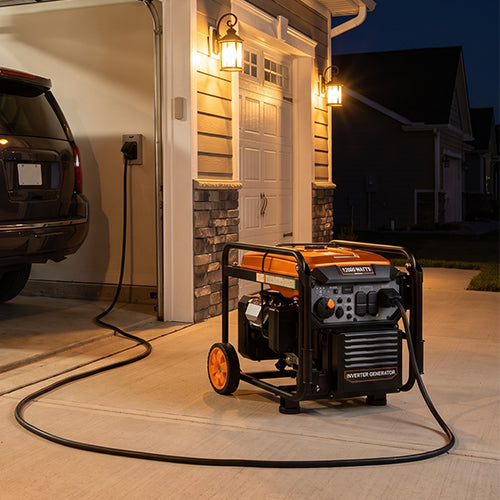
Home emergency backup power
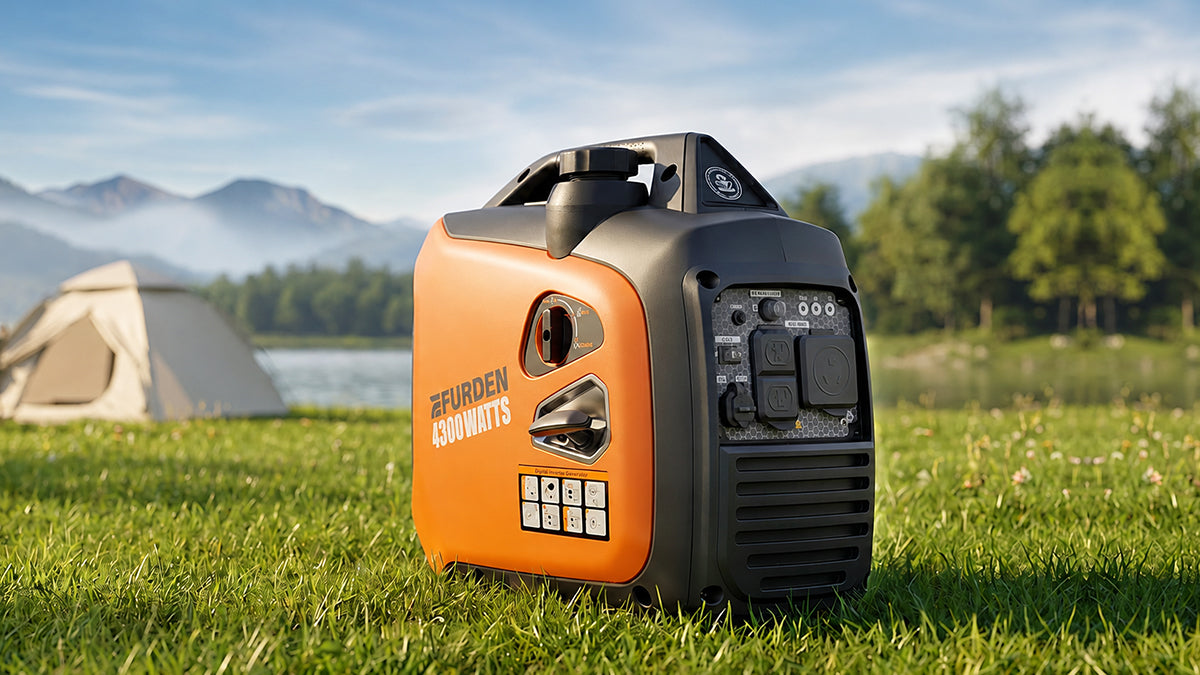
Camping and outdoor activities
Tailgate parties and events
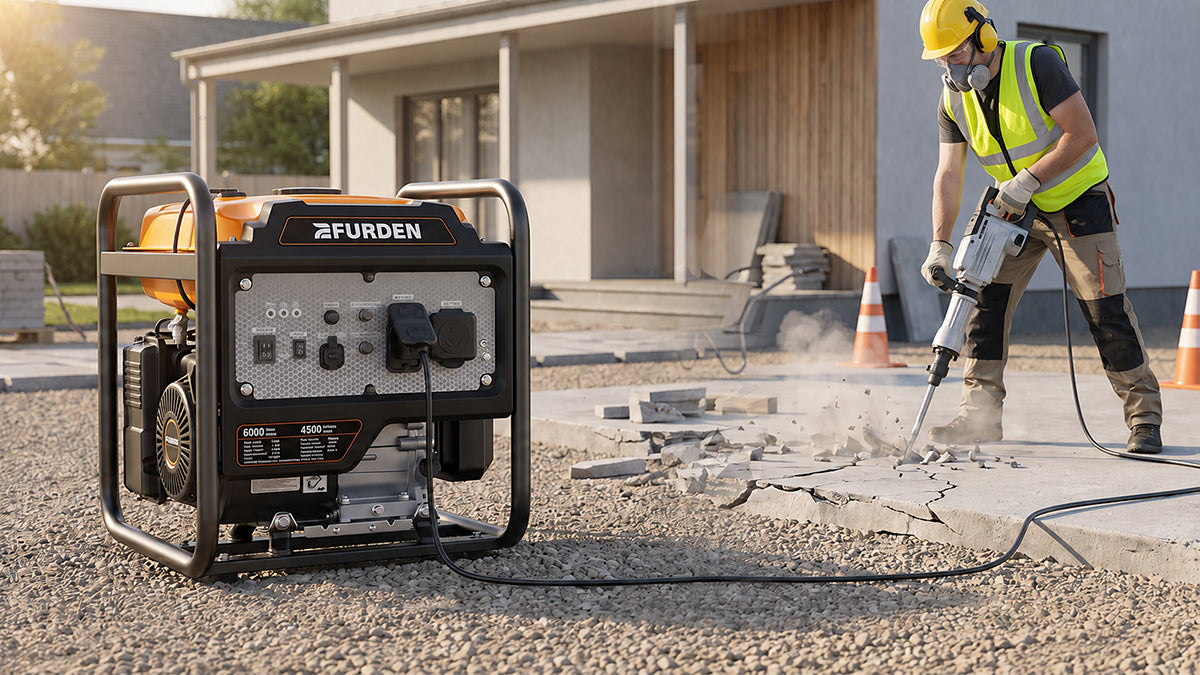
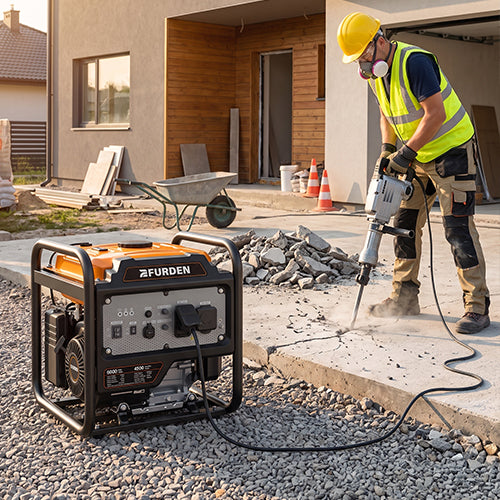
Construction sites and building projects
RV and travel applications
This portability opens up numerous possibilities:
Home emergency backup power
Camping and outdoor activities
Tailgate parties and events
Construction sites and building projects
RV and travel applications
Parallel Capability
Here's a feature many people don't know about: multiple inverter generators can be used in parallel to double the power output. Need 8800W instead of 4400W? Simply connect two generators using a parallel cable.
This flexibility, unattainable with traditional generators, allows you to upgrade your power capacity without replacing the entire system.
This flexibility, unattainable with traditional generators, allows you to upgrade your power capacity without replacing the entire system.
Inverter Generator vs. Traditional Generator: The Real Difference
Let me break down the key differences:
|
Feature
|
Inverter Generator
|
Traditional Generator
|
|
Power Quality
|
Clean, stable (THD <3%)
|
Fluctuating, can damage electronics
|
|
Noise Level
|
58-78 dBA
|
85-95 dBA
|
|
Fuel Efficiency
|
Excellent (ECO mode)
|
Poor
|
|
Weight
|
40-60 lbs
|
100-150 lbs
|
|
Portability
|
Easy to transport
|
Difficult
|
|
Price
|
$250-$1,500
|
$200-$800
|
|
Best For
|
Electronics, camping, home backup
|
Heavy-duty tools, construction
|
|
Runtime
|
10-20 hours
|
6-12 hours
|
The verdict: If you care about protecting your electronics, saving money on fuel, having a quiet backup power source, and portability, an inverter generator wins every time.
Is an Inverter Generator Right for You?
Ask yourself these questions:
Question 1: Do you have sensitive electronics you want to protect?
Laptops, phones, medical devices, gaming consoles, smart home systems?
If yes: Inverter generator is essential.
Question 2: Will you use it near your home or neighbors?
Camping, tailgating, backyard events, emergency backup?
If yes: The quiet operation of an inverter generator is a game-changer.
Question 3: Do you want flexibility in power capacity?
Might need to upgrade power later, or run multiple devices?
If yes: Inverter generators offer parallel capability and modular power.
Question 4: Is portability important to you?
Will you move it between locations, or store it in limited space?
If yes: The lightweight design of inverter generators is ideal.
If you answered "yes" to any of these, an inverter generator is the right choice.
Understanding Inverter Generator Specifications
When shopping for an inverter generator, you'll encounter several key specifications:
Peak Watts vs. Running Watts
Peak watts (also called starting watts) is the maximum power the generator can produce for a short burst—typically 3-5 seconds. This is useful for starting motors and compressors.
Running watts (also called continuous watts) is the sustained power the generator can deliver. This is the number you should use when calculating whether the generator can power your appliances.
Example: A 3800W/4400W generator means 3800W running watts and 4400W peak watts.
Runtime and Fuel Tank Capacity
Runtime depends on:
Fuel tank capacity
Load (how much power you're using)
Whether ECO mode is enabled
A generator with a 2-gallon fuel tank running at 25% load will run much longer than the same generator at 100% load. Always check the specifications for runtime at your expected load level.
Noise Level
Noise is measured in decibels (dBA) at a specific distance (usually 23 feet) and load level (usually 25% or 100%). Lower numbers are quieter.
58-65 dBA: Very quiet, suitable for residential areas
70-78 dBA: Quiet enough for most uses
80+ dBA: Noticeably loud
Engine Type and Displacement
Most inverter generators use 4-stroke engines, which are more fuel-efficient and quieter than 2-stroke engines. Engine displacement (measured in cubic centimeters or CC) indicates engine size—larger displacement generally means more power.

What Can an Inverter Generator Power?
Here's a practical breakdown of common appliances and their power requirements:
|
Appliance
|
Power (Watts)
|
|
Refrigerator
|
600-800
|
|
Microwave
|
1000-1500
|
|
TV
|
100-300
|
|
Laptop
|
50-100
|
|
Phone charger
|
10-20
|
|
Light bulbs (LED)
|
5-15
|
|
Coffee maker
|
800-1200
|
|
Toaster
|
800-1500
|
|
Electric kettle
|
1500-2000
|
|
Air conditioning unit
|
3000-5000
|
|
Electric heater
|
1500-5000
|
Important note: Some appliances require more power to start than to run. For example, a refrigerator might need 2000W to start but only 600W to run. Always check the starting watts requirement.
Common Questions About Inverter Generators
"Will it really protect my electronics?"
Yes. The clean power output (THD <3%) is safe for all modern electronics. This is verified by EPA certification and thousands of customer reviews. People use these generators to power sensitive equipment like medical devices, gaming PCs, and professional camera equipment.
"How often do I need to maintain it?"
Inverter generators require minimal maintenance:
Change oil every 50-100 hours of use
Clean or replace the air filter annually
Run it for 15 minutes monthly (even if you don't need it) to keep the engine in good condition
Store it with stabilized fuel in winter
That's it. Most homeowners do this once or twice a year.
"Can I use it indoors?"
No. Never run any gasoline generator indoors, in a garage, basement, or enclosed space. All generators produce carbon monoxide (CO), a deadly gas. Always operate outdoors, at least 20 feet from windows and doors.
"How long will an inverter generator last?"
With proper maintenance, a quality inverter generator can last 10+ years. The lifespan depends on:
Frequency of use
Load conditions (running at full capacity constantly wears it faster)
Maintenance (regular oil changes and filter cleaning extend lifespan)
Storage conditions (proper winterization is important)
"What's the difference between ECO mode and normal mode?"
ECO mode automatically adjusts engine speed based on power demand. This reduces fuel consumption and noise when you're not using full power. It's ideal for most household uses.
Normal mode runs the engine at a constant speed regardless of load, which uses more fuel but provides slightly more stable power for sensitive electronics (though the difference is minimal).
"Can I run it in the rain?"
Most inverter generators can operate in light rain, but you should protect the unit with a canopy or cover to prevent water from entering the fuel tank or electrical components. Never submerge the generator or expose it to heavy rain.
The Market Trend: Why Inverter Generators Are Winning
In 2020, inverter generators represented about 35% of the portable generator market. By 2024, that number had jumped to over 60%. Here's why:
1.Climate change is making power outages more frequent and unpredictable
2.Remote work means people need reliable backup power for home offices
3.Technology dependence means protecting electronics is non-negotiable
4.Environmental awareness drives demand for fuel-efficient options
5.Rising electricity costs make backup power more valuable
The trend is clear: inverter generators are the future of portable power.
Choosing the Right Size for Your Needs
Inverter generators come in various sizes, from 2000W to 12000W and beyond. Here's how to think about sizing:
Small (2000-3000W):
Best for: Camping, tailgating, emergency phone charging
Can power: Lights, phone chargers, small appliances
Limitation: Can't run large appliances simultaneously
Medium (4000-6000W):
Best for: Home backup, camping, RV use
Can power: Refrigerator, microwave, TV, multiple devices
Limitation: Can't run AC or electric heater
Large (7000-12000W):
Best for: Whole-house backup, job sites
Can power: Most household appliances simultaneously
Limitation: Heavier, more expensive, louder
To determine what size you need, add up the running watts of the appliances you want to power simultaneously, then add 20% as a safety margin.
Next Steps: Finding the Right Generator for Your Needs
Now that you understand what an inverter generator is and why it's becoming the go-to choice, you might be wondering: "Is a 4000W model right for me, or do I need something different?"
That depends on your specific situation and power requirements. To help you decide, we've created detailed guides on:
How Much Power Do You Really Need? — Calculate your exact power requirements
Inverter Generator vs. Traditional Generator — Detailed comparison for different use cases
Generator Maintenance Guide — Keep your generator running for years
Final Thoughts
A power outage isn't just an inconvenience—it's a real disruption to your life. Food spoils, work stops, comfort disappears. An inverter generator isn't a luxury; it's peace of mind.
Whether you're preparing for emergencies, planning outdoor adventures, or powering a job site, an inverter generator offers clean power, fuel efficiency, quiet operation, and reliability. With proper maintenance, it will serve you well for years to come.
Ready to learn more? Browse our generator collection or check out our buying guide to find the right model for your needs.