







Boondocking 101: How to Manage Your Power Like a Pro Without a Grid
08 Mar 2026
The Reality of Boondocking
You're parked in the middle of nowhere. No hookups. No grid power. Just you, your RV, and your generator.
It's peaceful. It's free. It's also terrifying if you don't know what you're doing.
Your generator is your lifeline. Your battery is your backup. Your power management is the difference between a great trip and a disaster.
This guide teaches you how to manage power like a pro.
Understanding Your Power Sources
When boondocking, you have three power sources:
Power Source #1: Your Generator
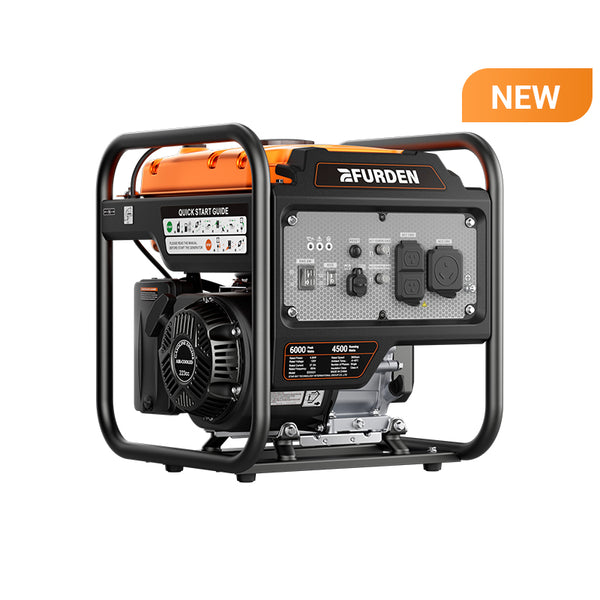
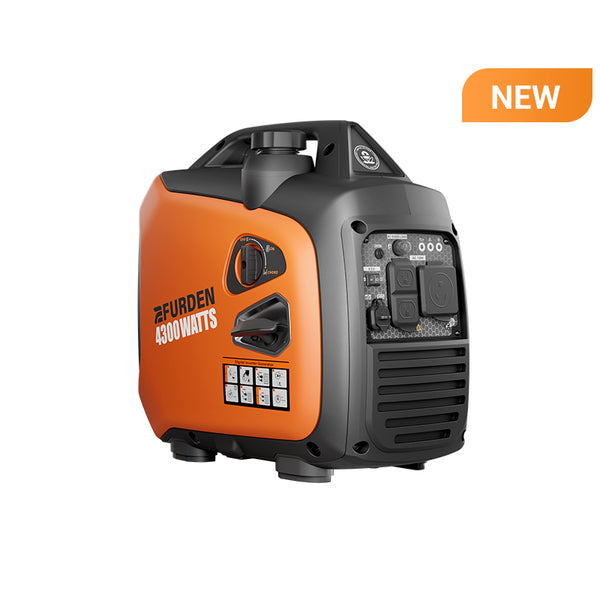
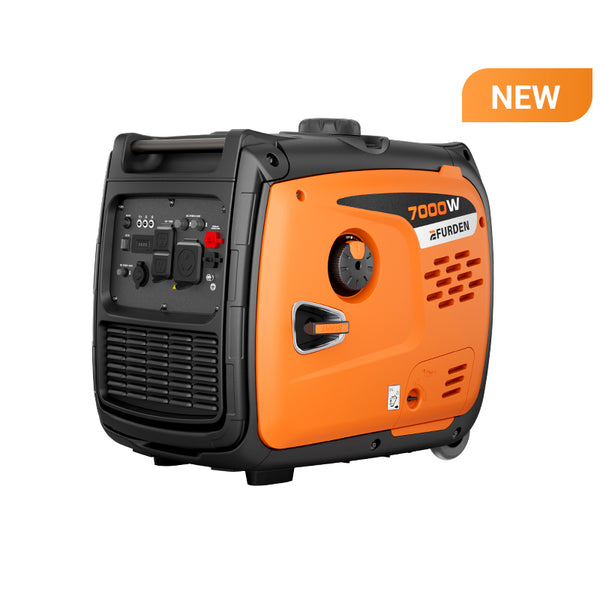
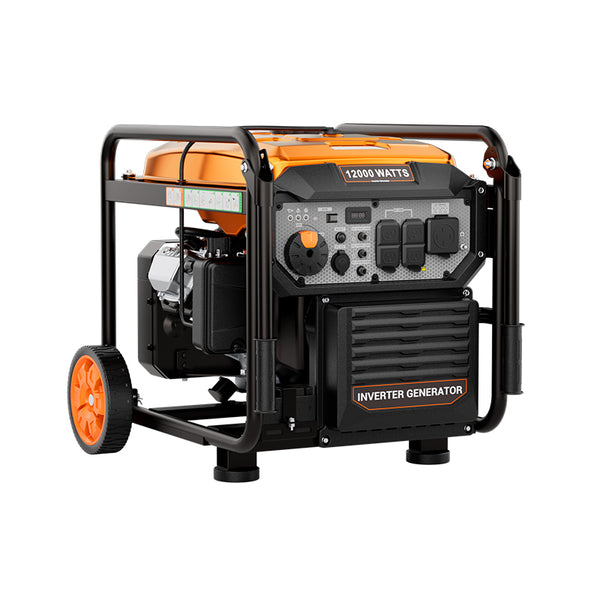
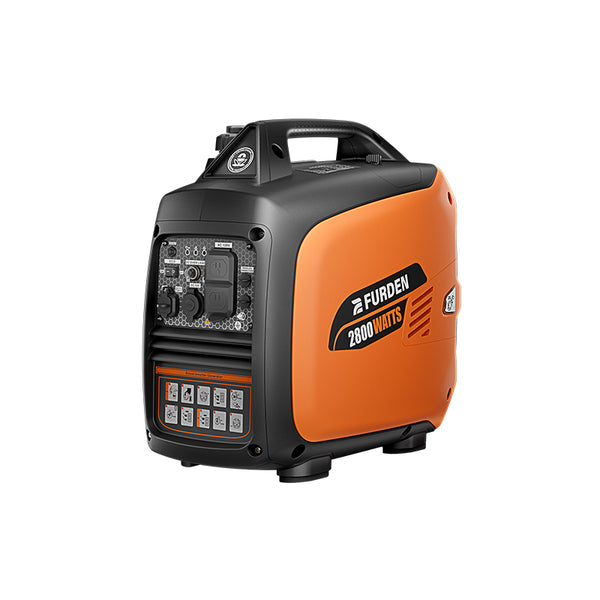
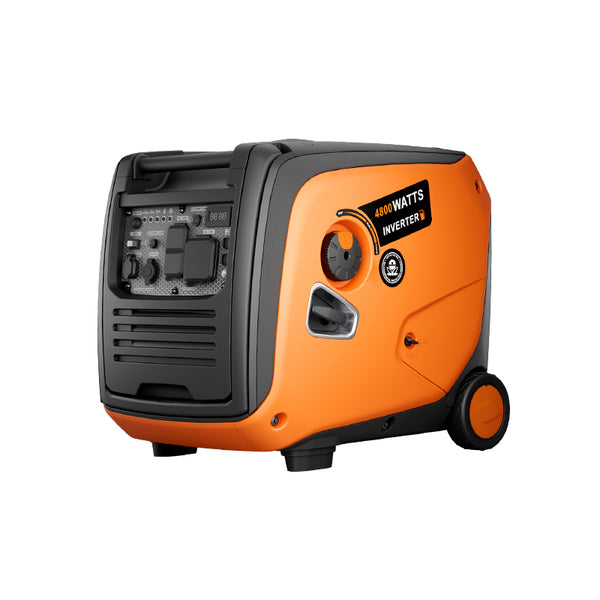
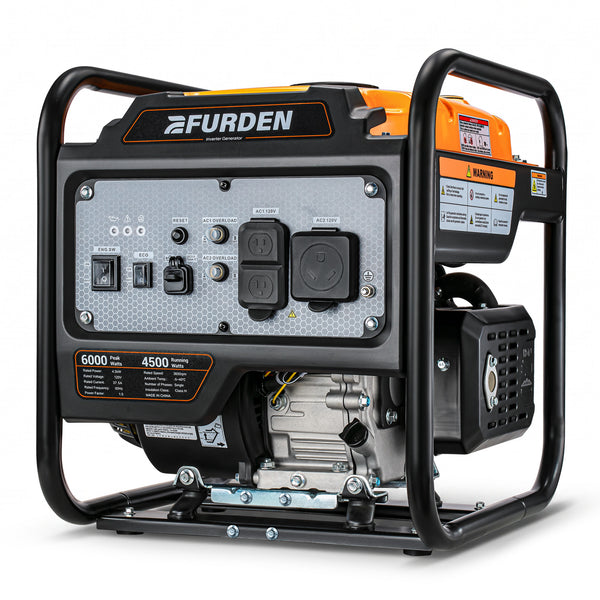
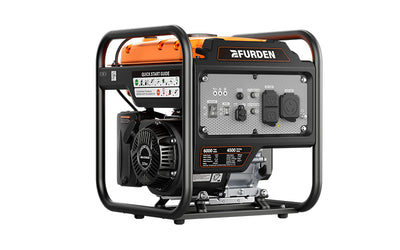
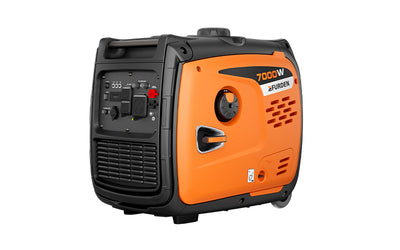
Your portable inverter generator is your primary power source.
Advantages:
•Unlimited power (as long as you have fuel)
•Can run high-draw appliances
•Reliable and consistent
Disadvantages:
•Uses fuel (expensive)
•Creates noise
•Requires maintenance
•Can't run 24/7 (you'll go crazy from noise)
Best for: Cooking, charging, running AC, high-draw appliances
Power Source #2: Your RV Battery
Your RV's house battery (usually 100-200Ah lithium or lead-acid) stores power.
Advantages:
•Silent operation
•No fuel needed
•Can run while you sleep
•Instant power
Disadvantages:
•Limited capacity (depletes in 12-24 hours)
•Can't run high-draw appliances
•Needs recharging
Best for: Lights, fans, water pump, low-draw devices
Power Source #3: Solar Panels (If You Have Them)
Solar panels charge your battery during the day.
Advantages:
•Free power
•Silent
•No fuel needed
•Extends boondocking time
Disadvantages:
•Weather dependent
•Limited output (200-400W typical)
•Requires clear skies
•Slow charging
Best for: Supplemental charging, extending battery life
The Power Management Strategy
Smart boondocking is about using the right power source at the right time.
Rule #1: Generator for High-Draw, Battery for Low-Draw
Use your generator for:
•Cooking (microwave, oven): 1000-2000W
•Air conditioning: 1200-1500W
•Water heater: 4000W
•Charging batteries: 500-1000W
Use your battery for:
•Lights: 50-100W
•Fans: 50-150W
•Water pump: 300-500W
•Refrigerator: 150W
•Phone chargers: 50W
•TV or entertainment: 100-300W
Rule #2: Run Generator During Peak Hours
Generator schedule:
•7-9 AM: Breakfast, shower, charge devices
•12-2 PM: Lunch, laundry (if equipped), recharge battery
•5-7 PM: Dinner, AC if needed
Total generator time: 4-6 hours per day
Battery time: 18-20 hours per day (mostly at night)
Rule #3: Prioritize Your Loads
Not all appliances are equal. Prioritize what matters most.
Priority 1 - MUST HAVE:
•Refrigerator (food spoils without it)
•Water pump (need fresh water)
•Essential lighting (safety)
Priority 2 - SHOULD HAVE:
•Phone charging (emergency communication)
•Shower (hygiene)
•Cooking (health)
Priority 3 - NICE TO HAVE:
•AC (comfort)
•TV (entertainment)
•Hair dryer (convenience)
Priority 4 - CUT FIRST:
•Space heater
•Electric oven
•Clothes dryer
•Multiple high-draw appliances

Real-World Boondocking Power Plans
Plan A: Light Boondocking (2-3 Days)
Setup: 4400W generator, 100Ah battery, no solar
Daily schedule:
•7-8 AM: Start generator, make coffee, shower, charge devices (1 hour)
•8 AM-12 PM: Generator off, use battery for fridge and lights (4 hours)
•12-1 PM: Start generator, lunch, recharge battery (1 hour)
•1-5 PM: Generator off, use battery (4 hours)
•5-7 PM: Start generator, dinner, AC if needed (2 hours)
•7 PM-7 AM: Generator off, battery powers fridge and lights (12 hours)
Total generator time: 4 hours per day
Fuel consumption: 2 gallons per day (at 50% load)
Battery cycles: 1 full cycle per day
Result: Comfortable 2-3 day trip with 10-15 gallons fuel
Plan B: Extended Boondocking (5-7 Days)
Setup: 4400W generator, 200Ah battery, 400W solar
Daily schedule:
•7-8 AM: Start generator, coffee, shower, charge devices (1 hour)
•8 AM-12 PM: Generator off, solar charges battery, use battery for essentials (4 hours)
•12-1 PM: Start generator, lunch, recharge battery (1 hour)
•1-5 PM: Generator off, solar charges battery (4 hours)
•5-6 PM: Start generator, dinner (1 hour)
•6 PM-7 AM: Generator off, battery powers essentials, solar tops up battery (13 hours)
Total generator time: 3 hours per day
Fuel consumption: 1.5 gallons per day (at 50% load)
Solar contribution: 50-70% of daily power needs
Battery cycles: 0.5 cycles per day (solar helps recharge)
Result: Comfortable 5-7 day trip with 10-12 gallons fuel
Plan C: Serious Boondocking (10+ Days)
Setup: 5000W generator, 400Ah battery, 800W solar
Daily schedule:
•7-8 AM: Start generator, coffee, shower, charge devices (1 hour)
•8 AM-12 PM: Generator off, solar charges battery, use battery (4 hours)
•12-1 PM: Start generator, lunch, recharge battery (1 hour)
•1-5 PM: Generator off, solar charges battery (4 hours)
•5-6 PM: Start generator, dinner, AC (1 hour)
•6 PM-7 AM: Generator off, battery powers essentials, solar tops up (13 hours)
Total generator time: 3 hours per day
Fuel consumption: 1.5 gallons per day
Solar contribution: 60-80% of daily power needs
Battery cycles: 0.3 cycles per day (mostly charged by solar)
Result: Comfortable 10+ day trip with 15-20 gallons fuel
Fuel Management for Extended Boondocking
Fuel is your lifeline. Manage it carefully.
Calculate Your Daily Fuel Consumption
Formula:
•4400W generator at 50% load = 0.25 gal/hour
•Running 4 hours per day = 1 gallon per day
•7-day trip = 7 gallons minimum
Add 20% buffer: 7 × 1.2 = 8.4 gallons
Recommendation: Carry 10-12 gallons for a 7-day trip
Fuel Storage Tips
•Use fuel stabilizer (Sta-Bil) to keep fuel fresh
•Store in sealed containers in cool location
•Rotate fuel every 3-6 months
•Keep extra fuel for emergencies
•Never store fuel indoors (safety hazard)
Stretching Your Fuel
Reduce consumption:
•Lower your thermostat (AC cycles less)
•Use battery power instead of generator when possible
•Run generator at 50% load (more efficient than 75%)
•Use solar to reduce generator runtime
•Minimize high-draw appliances
Result: Extend boondocking time by 30-50%
Battery Management During Boondocking
Your battery is your backup power. Treat it right.
Battery Types and Capacities
|
Battery Type
|
Capacity
|
Cost
|
Lifespan
|
|
Lead-Acid (100Ah)
|
100Ah
|
$300-500
|
3-5 years
|
|
Lithium (100Ah)
|
100Ah
|
$1,500-2,000
|
10+ years
|
|
Lead-Acid (200Ah)
|
200Ah
|
$600-1,000
|
3-5 years
|
|
Lithium (200Ah)
|
200Ah
|
$3,000-4,000
|
10+ years
|
Best for boondocking: Lithium (expensive but worth it for reliability)
Battery Charging Strategy
Charge your battery:
•Every morning (1-2 hours generator time)
•After high-draw activities (cooking, AC)
•Whenever generator is running
•From solar panels during the day
Monitor your battery:
•Keep above 50% charge (extends lifespan)
•Avoid draining below 20% (damages battery)
•Check voltage daily (12.6V+ is healthy)
Battery Depth of Discharge
Lead-acid batteries:
•Safe depth: 50% (don't drain below 50%)
•Usable capacity: 50Ah from 100Ah battery
•Daily cycles: 1-2 cycles maximum
Lithium batteries:
•Safe depth: 80% (can drain to 20%)
•Usable capacity: 80Ah from 100Ah battery
•Daily cycles: 3-5 cycles possible
Verdict: Lithium batteries are better for boondocking.

Boondocking Power Management Checklist
Before You Leave
Check generator fuel capacity and fill completely
Carry 10-15 gallons extra fuel (in approved containers)
Test generator under load
Check battery voltage (12.6V+ for lead-acid, 13.2V+ for lithium)
Inspect solar panels (if equipped) for damage
Review your power plan for the trip
Daily During Boondocking
Start generator at scheduled times
Monitor battery voltage
Check fuel level
Run high-draw appliances during generator time
Use battery for low-draw appliances
Keep solar panels clean (if equipped)
Evening Routine
Charge battery fully before sunset
Turn off unnecessary lights
Set refrigerator to battery power
Plan tomorrow's generator schedule
Check fuel for next day
Troubleshooting Power Problems
|
Problem
|
Cause
|
Solution
|
|
Battery won't charge
|
Generator not running long enough
|
Increase generator runtime
|
|
Battery drains too fast
|
Too many loads on battery
|
Reduce loads or run generator more
|
|
Generator shuts down
|
Overloaded
|
Reduce appliance loads
|
|
Refrigerator stops working
|
Battery too low
|
Run generator to recharge
|
|
Lights dim at night
|
Battery depleted
|
Run generator longer during day
|
|
AC won't start
|
Insufficient generator power
|
Next Steps
1.Calculate your power needs using our Generator Wattage Sizing Calculator
2.Choose the right generator - 4400W for light boondocking, 5000W+ for extended trips
3.Plan your daily schedule - When to run generator, when to use battery
4.Stock fuel - Carry 20% extra for emergencies
5.Test your setup - Do a weekend boondocking trip before extended travel
Boondocking is freedom. But it requires planning and power management. Master these skills, and you'll enjoy off-grid living like a pro.
Explore Efurden's portable inverter generators - the perfect solution for boondocking power needs.